
US-Iran Peace Draft Adds $500B to Stocks, Oil Drops to $96, NHL Signs CFTC Data Pact
AI-summarised from reporting by CoinOtag. How we use AI.
What happened
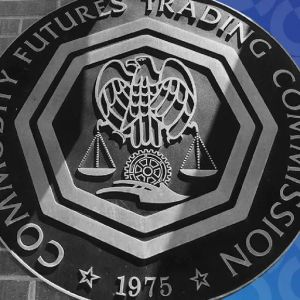
The National Hockey League (NHL) has entered into a significant integrity partnership with the Commodity Futures Trading Commission (CFTC) in the United States. This agreement marks a formal collaboration aimed at safeguarding the integrity of NHL games, particularly in relation to betting markets. The memorandum of understanding (MOU) outlines how the two organisations will work together, focusing on areas such as information sharing and cooperation to deter and detect fraud and manipulation.
The CFTC is a key regulatory body in the US, primarily responsible for overseeing the derivatives markets, including futures and options. While crypto directly falls under different regulatory umbrellas in the US, such partnerships signal broader trends in how traditional financial regulators are extending their oversight and influence into new, often digitised, sectors. The focus on 'integrity' in betting markets reflects growing concerns about market manipulation that can transcend traditional asset classes.
This development follows a pattern where sports leagues are increasingly engaging with financial regulators to protect their brand and the fairness of their competitions. The rise of legalised sports betting, both traditional and facilitated by blockchain-based platforms, has brought new challenges. Ensuring the integrity of these markets is paramount for both the sports organisations and the regulators who seek to maintain fair and transparent financial ecosystems.
Why it matters for Australian investors
While this specific partnership involves a US sports league and a US regulator, the underlying principles of market integrity and regulatory oversight are highly relevant to Australian investors. Australia's financial landscape, particularly in crypto, is evolving rapidly, with regulators like ASIC and AUSTRAC playing crucial roles. These local bodies are continuously assessing how to best regulate digital assets and associated activities, including those with betting or predictions markets characteristics.
Australian investors engaging with cryptocurrencies or decentralised finance (DeFi) platforms should view such international regulatory actions as indicators of future domestic trends. The emphasis on data sharing and fraud prevention seen in the NHL-CFTC pact mirrors concerns harboured by AUSTRAC regarding anti-money laundering (AML) and counter-terrorism financing (CTF) in the crypto space. ASIC, on the other hand, focuses on consumer protection and market integrity for financial products.
For Australian crypto enthusiasts, understanding the global regulatory environment is critical. While direct impacts on local crypto prices or exchange operations (like CoinSpot, Independent Reserve, Swyftx, or BTC Markets) might not be immediate, a global push for market integrity strengthens the case for similar domestic measures. This can lead to increased confidence in well-regulated parts of the crypto market, but also potentially more stringent compliance requirements for Australian projects and exchanges.
Impact on the AUD market
The direct impact of the NHL-CFTC integrity partnership on the Australian dollar (AUD) or the broader AUD-denominated crypto market is likely to be negligible. The agreement is specific to US sports betting integrity, a niche within the vast global financial markets. Fluctuations in the AUD are typically driven by macroeconomic factors such as commodity prices, interest rate differentials, global economic sentiment, and domestic policy decisions, rather than specific US sports regulatory developments.
However, in a more abstract sense, the increasing formalisation of regulatory oversight for digitised markets globally contributes to the overall maturation of the crypto industry. As crypto gains more mainstream adoption and interaction with traditional finance, any steps towards greater regulatory clarity and market integrity can indirectly foster investor confidence worldwide. This long-term trend could, over time, subtly influence global capital flows, including those that eventually touch the AUD market.
For Australian crypto exchanges and businesses, alignment with international best practices in integrity and regulatory compliance is becoming increasingly important. While specific US sporting regulations won't directly dictate their operations, the overarching message of preventing market manipulation resonates with AUSTRAC and ASIC's objectives. Australian investors might find more comfort trading on platforms that demonstrate robust integrity frameworks, irrespective of where those standards originate.
What to watch next
Australian investors should continue to monitor how global regulatory bodies, beyond just the CFTC, adapt to the complexities of digital assets and decentralised technologies. The trend of traditional financial regulators engaging with novel markets, like sports betting or prediction markets, can offer insights into the future direction of crypto regulation. Pay attention to how international cooperation between regulators evolves, as this will have a direct bearing on cross-border crypto activities.
Domestically, keep an eye on announcements from ASIC and AUSTRAC regarding digital asset regulation. Any new guidelines or enforcement actions from these Australian bodies will be far more impactful than foreign sports agreements. Specifically, watch for developments relating to the classification of crypto assets, consumer protection measures for crypto investors, and updated tax guidance from the ATO on various crypto activities, including staking or DeFi income.
Furthermore, observe how Australian crypto exchanges and service providers respond to both international and domestic regulatory pressures. Their adoption of best practices for market integrity, security, and transparency will be crucial for the continued growth and legitimisation of the Australian crypto market. The general move towards more regulated and transparent digital economies is a significant overarching trend to consider in your investment strategy.
Coins covered


Common questions
How does the ATO tax cryptocurrency in Australia?
In Australia, the Australian Taxation Office (ATO) generally treats cryptocurrency as property, not currency. This means that capital gains tax (CGT) can apply when you sell, trade, gift, or otherwise dispose of your crypto. If you're running a crypto business, trading might be considered income. It's best to keep detailed records of all transactions to accurately calculate your tax obligations.
Which Australian crypto exchanges are regulated?
Australian cryptocurrency exchanges are primarily regulated by AUSTRAC for anti-money laundering (AML) and counter-terrorism financing (CTF) purposes. Major Australian exchanges like CoinSpot, Independent Reserve, Swyftx, and BTC Markets are registered with AUSTRAC. While ASIC has oversight of financial products, the regulatory framework for crypto in Australia is still evolving, particularly regarding 'financial product' definitions.
What is AUSTRAC's role in the Australian crypto market?
AUSTRAC (Australian Transaction Reports and Analysis Centre) is Australia's financial intelligence agency and primary regulator for anti-money laundering and counter-terrorism financing. For the crypto sector, AUSTRAC plays a crucial role by registering and supervising Digital Currency Exchange (DCE) providers, ensuring they comply with AML/CTF obligations, report suspicious transactions, and verify customer identities to prevent illicit financial activities.
Explore how global regulatory trends, like the NHL-CFTC integrity pact, signal future directions for Australian crypto regulation and investor confidence. Gai
About this article: this is an AI-generated summary of reporting by CoinOtag. It has not been reviewed by a human editor. We use AI to localise crypto news for Australian readers, and we link back to the original source so you can verify the facts.
Informational only — not financial advice. Always do your own research. Read our AI & editorial policy →