
UK Lords Push Back on BOE Stablecoin Caps as US Treasury Sanctions Nobitex and SEC Backs Tokenization
AI-summarised from reporting by CoinOtag. How we use AI.
What happened
A recent report from a UK House of Lords committee has called on the Bank of England (BoE) to reconsider its proposed caps on consumer stablecoin holdings. This parliamentary scrutiny highlights ongoing global debates about regulating stablecoins, which are cryptocurrencies designed to maintain a stable value, often pegged to fiat currencies like the US dollar. The committee argues that stringent limits could hinder the growth of a promising sector, potentially stifling innovation and delaying the widespread adoption of digital assets.
The BoE's initial proposals suggested capping individual retail stablecoin holdings with a specific institution. The rationale behind these caps was primarily to mitigate systemic risk and protect consumers in the event of a stablecoin issuer's failure. However, the Lords committee's intervention suggests a push for a more balanced approach, one that encourages innovation while still addressing potential risks. This move comes as financial regulators worldwide grapple with the dual challenges of fostering technological advancement and ensuring financial stability within the rapidly evolving crypto landscape.
In a separate but related development, the US Treasury Department has imposed sanctions on Nobitex, a cryptocurrency exchange, for its alleged role in facilitating transactions for sanctioned Iranian entities. This action underscores the increasing focus of global financial authorities on illicit finance within the crypto ecosystem. Compliance with international sanctions regimes is becoming a critical and complex aspect of operating in the digital asset space, requiring robust anti-money laundering (AML) and know-your-customer (KYC) protocols.
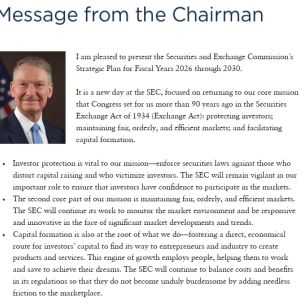
Further demonstrating the shifting regulatory perspectives, the US Securities and Exchange Commission (SEC) has expressed a positive stance on asset tokenisation. This endorsement, particularly of tokenisation that utilises the Ethereum blockchain, signals a growing acceptance of distributed ledger technology (DLT) for traditional financial assets. Tokenisation involves converting real-world assets, such as real estate, art, or commodities, into digital tokens on a blockchain, offering potential benefits like increased liquidity, fractional ownership, and enhanced transparency. This move by the SEC could pave the way for broader institutional adoption and integration of blockchain into mainstream finance.
Why it matters for Australian investors
The global regulatory landscape significantly influences local markets, and these developments are no exception for Australian investors. The UK's debate over stablecoin caps directly impacts the broader discussion around consumer protection and market growth for stablecoins, which are increasingly used on Australian exchanges like CoinSpot, Independent Reserve, Swyftx, and BTC Markets as a reliable medium for trading other cryptocurrencies. Overly restrictive regulations elsewhere could set a precedent that Australian regulators, such as ASIC (Australian Securities and Investments Commission), might consider, potentially affecting access or investment limits for stablecoin products.
For Australian investors, understanding the nuances of stablecoin stability and regulatory treatment is crucial. While the ATO (Australian Taxation Office) treats stablecoins like other cryptocurrencies for capital gains tax purposes, the underlying regulatory environment governing their issuance and use is still evolving. Any global shift towards more flexible or, conversely, more stringent stablecoin regulation could impact their utility and perceived risk here in Australia, influencing investment decisions and portfolio diversification strategies.
The US Treasury sanctions against Nobitex serve as a stark reminder of the escalating global efforts to combat illicit financial activities within the crypto sector. For Australian investors and exchanges, this reinforces the importance of robust compliance frameworks. AUSTRAC, Australia's financial intelligence agency, has strict AML/CTF (Anti-Money Laundering/Counter-Terrorism Financing) reporting obligations for digital currency exchanges operating in Australia. Exchanges that fail to uphold these standards risk significant penalties and reputational damage, ultimately affecting consumer trust and market integrity.
Moreover, the SEC's positive outlook on asset tokenisation is a significant long-term indicator for the Australian market. Tokenisation has the potential to revolutionise how traditional assets are owned and traded, offering new investment avenues. Australian financial institutions and innovators are exploring DLT applications, and a clear regulatory endorsement from a major global body like the SEC could accelerate the development of tokenised asset markets in Australia. This could eventually provide Australian investors with opportunities to invest in fractionalised real-world assets through regulated digital platforms.
Impact on the AUD market
While the events primarily originate from the UK and US, their ripple effects can be felt in the Australian dollar (AUD) crypto market. The uncertainty surrounding global stablecoin regulation directly impacts the perception of stability and utility for crypto assets often paired with AUD on local exchanges. If global regulators lean towards more restrictive stablecoin policies, it could potentially reduce liquidity for AUD-pegged stablecoins or influence their adoption alongside other fiat-backed cryptocurrencies, affecting trading pairs and overall market dynamism for Australian crypto traders.
Moreover, the sanctions against Nobitex highlight a global trend towards stricter enforcement in the crypto space, which can indirectly affect the AUD market by increasing compliance costs for Australian crypto businesses. Higher compliance burdens for regulated entities under AUSTRAC's oversight could be passed on to consumers or lead to more conservative service offerings. This might influence liquidity and access to certain crypto assets, potentially impacting AUD trading volumes on Australian platforms. The greater the global push for regulatory clarity and enforcement, the more Australian market participants will need to adapt to rigorous standards.
Conversely, the SEC's endorsement of asset tokenisation could be a net positive for the AUD market longer-term. As tokenised assets gain traction internationally, it could attract foreign investment into Australia's financial ecosystem, particularly if Australian companies embrace DLT for local assets. This could facilitate more efficient capital formation and potentially open up new ways for Australian and international investors to allocate capital into AUD-denominated tokenised products. The increased integration of DLT into traditional finance, spurred by such endorsements, could lead to more innovative financial products linked to the AUD, enhancing its digital presence.
What to watch next
Australian investors should closely monitor how the Bank of England responds to the House of Lords committee's recommendations on stablecoin caps. The outcome of this debate could set a precedent for other jurisdictions, including Australia, as they develop their own stablecoin regulatory frameworks. A move towards more flexible rules could encourage innovation and broader adoption, while stringent caps might lead to slower growth. It will be important to see if ASIC, AUSTRAC, or the RBA comment on similar local considerations.
Keeping an eye on further actions by the US Treasury concerning crypto entities involved in illicit finance is also paramount. These sanctions often shed light on the evolving methods of compliance and risk management required for digital asset businesses. Australian crypto exchanges must continue to bolster their AML/CTF protocols to align with global best practices and avoid inadvertently becoming entangled in such enforcement actions, which could have broader implications for the local market's reputation and access to international liquidity.
Finally, observe the practical implementation and further regulatory guidance from the SEC regarding asset tokenisation. This will provide valuable insights into how traditional assets can be effectively integrated onto blockchain networks. Any successful real-world tokenisation projects in the US using Ethereum or other DLTs could serve as a blueprint for Australian financial institutions. This could accelerate the development of a regulated Australian tokenised asset market, potentially creating new investment opportunities and efficiencies for Australian investors and the broader AUD financial ecosystem.
Coins covered


Common questions
Are stablecoins legal to use in Australia and how are they taxed by the ATO?
Yes, stablecoins are legal to use in Australia. The ATO treats stablecoins like other cryptocurrencies for tax purposes, meaning they are subject to capital gains tax when disposed of. This includes situations where they are traded for another cryptocurrency, converted to Australian dollars, or used to purchase goods and services. Keeping accurate records of all stablecoin transactions is crucial for tax compliance.
What role does AUSTRAC play in regulating Australian crypto exchanges and stablecoins?
AUSTRAC (Australian Transaction Reports and Analysis Centre) is Australia's financial intelligence unit and primary anti-money laundering and counter-terrorism financing (AML/CTF) regulator. It oversees Australian crypto exchanges, requiring them to register with AUSTRAC, identify and verify their customers (KYC), monitor transactions, and report suspicious activities. This framework extends to stablecoin transactions facilitated by these exchanges, ensuring they meet robust compliance standards to prevent illicit financial flows.
How might global discussions on crypto regulation impact my investments on Australian exchanges like CoinSpot or Swyftx?
Global regulatory discussions can indirectly impact your investments on Australian exchanges. For example, if major jurisdictions implement stricter rules on stablecoins, it could influence how Australian regulators like ASIC or AUSTRAC approach similar assets. This might affect the types of stablecoin products available, trading liquidity, or the compliance requirements for exchanges, potentially influencing fees or service offerings. Staying informed about international regulatory trends helps anticipate potential shifts in the local Australian crypto market.
Explore how UK stablecoin debates, US sanctions, and SEC's tokenisation stance impact Australian crypto investors and the AUD market.
About this article: this is an AI-generated summary of reporting by CoinOtag. It has not been reviewed by a human editor. We use AI to localise crypto news for Australian readers, and we link back to the original source so you can verify the facts.
Informational only — not financial advice. Always do your own research. Read our AI & editorial policy →