
U.S. FBI intelligence agent arrested in connection with theft of $1 million in crypto
AI-summarised from reporting by CoinDesk. How we use AI.
What happened
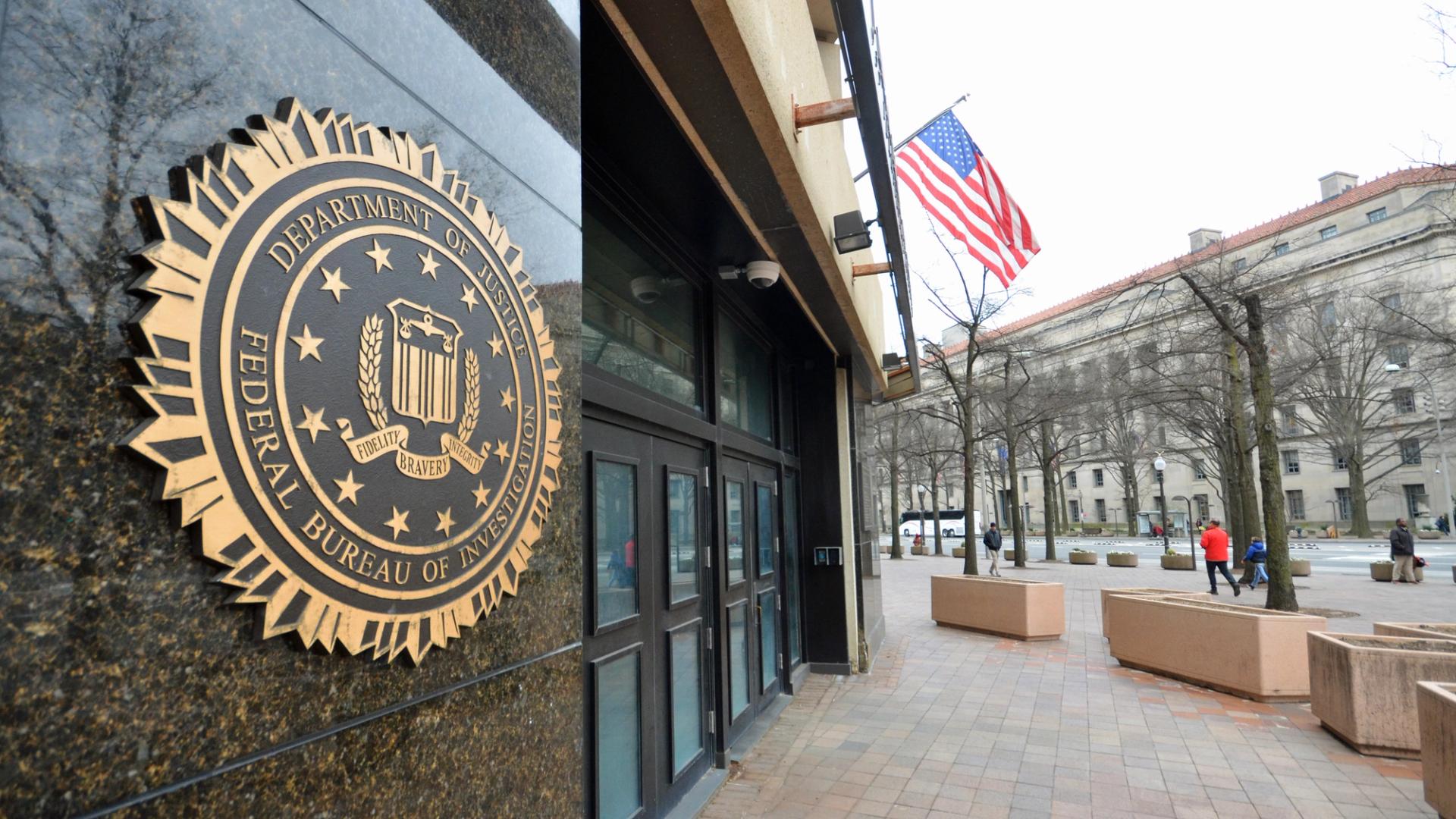
A high-ranking intelligence agent from the U.S. Federal Bureau of Investigation (FBI) has been apprehended amidst allegations of illicitly siphoning approximately US$1 million in cryptocurrency. The agent, previously holding "top secret" security clearance and operating directly from FBI headquarters, is accused of pilfering digital assets from crypto wallets that were under active investigation by the agency. This development has sent ripples through the digital asset community, raising questions about security protocols and insider threats within law enforcement agencies tasked with combating cybercrime.
The arrest underscores the intricate challenges faced by authorities when dealing with sophisticated digital assets. The agent's position within the FBI would have granted access to sensitive information, potentially including private keys or recovery phrases pertaining to confiscated or seized crypto. This alleged abuse of power highlights a critical vulnerability: even with robust external security measures, the human element remains a significant factor in the integrity of digital asset management during investigations.
The incident serves as a stark reminder that the digital asset landscape presents unique temptations and opportunities for malfeasance, even for those entrusted with upholding the law. While the details of how the alleged theft occurred are still emerging, the involvement of an individual with such high-level access within a premier law enforcement organisation is particularly concerning. It suggests a sophisticated understanding of cryptocurrency mechanics and a calculated effort to exploit internal systems for personal gain.
Why it matters for Australian investors
For Australian investors, this incident, while originating overseas, carries several important implications. Firstly, it reiterates the paramount importance of robust personal security practices when managing cryptocurrency. If an organisation with the FBI's resources can be compromised from within, individual investors must be hyper-vigilant about protecting their private keys, seed phrases, and choosing reputable, secure platforms for their digital assets. Relying on multi-factor authentication, cold storage for significant holdings, and being wary of phishing attempts are non-negotiable.
Secondly, the integrity of law enforcement and regulatory bodies plays a crucial role in fostering a safe and compliant crypto environment globally, including in Australia. Incidents like this could, if not properly addressed, erode public trust in institutions that are meant to protect against financial crime. For Australian investors, trust in local bodies such as AUSTRAC (responsible for combating financial crime) and ASIC (regulating financial services) is vital for the continued growth and legitimisation of the crypto sector.
Furthermore, the case spotlights the challenges of tracking and recovering stolen digital assets, even for sophisticated agencies. While Australian exchanges like CoinSpot, Independent Reserve, Swyftx, and BTC Markets employ stringent security measures and comply with local regulations, the fundamental decentralised nature of many cryptocurrencies means that once funds are moved off an exchange, their recovery can become significantly more complex. This reinforces the need for investors to understand the risks associated with self-custody and the potential irreversibility of blockchain transactions.
Impact on the AUD market
While this event primarily concerns a U.S. federal agency and a theft denominated in US dollars, its direct impact on the Australian dollar (AUD) crypto market is likely to be indirect and sentiment-driven rather than a direct price mover. The AUD crypto market, much like other global markets, is sensitive to broader narratives around crypto security, regulatory integrity, and institutional trust. A negative perception stemming from such high-profile security breaches, even overseas, could temporarily temper enthusiasm or increase caution among Australian retail and institutional investors.
However, it's crucial to note that the Australian crypto ecosystem operates under its own regulatory framework, enforced by bodies like AUSTRAC for anti-money laundering (AML) and counter-terrorism financing (CTF), and ASIC for consumer protection in certain areas. These local frameworks aim to create a secure environment, which can act as a buffer against some of the negative sentiment generated by international incidents. Australian exchanges continue to strive for compliance and security, offering a level of confidence to local users.
Any sustained or widespread loss of trust in the global crypto space could lead to a general downturn in investment, potentially affecting AUD-denominated crypto prices. However, the robustness of the underlying blockchain technology and the increasing institutional adoption globally suggest that such incidents, while concerning, are often viewed as isolated events or opportunities for improved security protocols rather than fundamental threats to the entire asset class. For now, the AUD crypto market remains largely decoupled from the immediate financial fallout of this specific incident, though vigilance is always warranted.
What to watch next
Moving forward, Australian investors should closely monitor the ongoing legal proceedings surrounding the arrested FBI agent. The revelations from the investigation, particularly regarding how the alleged theft was executed and the measures taken to prevent future occurrences, could offer valuable insights into best practices for digital asset security. Any systemic changes implemented by U.S. law enforcement could potentially influence international standards and, by extension, practices within Australia's own regulatory and law enforcement bodies.
Beyond this specific case, it's essential to keep an eye on broader regulatory developments both internationally and within Australia. As cryptocurrencies gain more mainstream adoption, regulators worldwide are grappling with how to effectively oversee this evolving asset class without stifling innovation. Discussions around international cooperation in tracking illicit crypto flows, and the implementation of clearer guidelines for asset seizure and management by authorities, will be particularly relevant. The ATO's ongoing guidance on crypto tax treatment also remains a key area for Australian investors to follow.
Finally, observe the responses of major Australian crypto exchanges and service providers. Incidents like these often prompt a review of internal security protocols and customer protection measures. Exchanges may highlight their existing safeguards or introduce new ones in response to heightened awareness of insider threats or advanced hacking techniques. Staying informed through reputable news sources and official announcements from regulatory bodies will be crucial for navigating the evolving landscape of digital asset security and compliance in Australia.
Coins covered

Common questions
How does the ATO treat stolen cryptocurrency for tax purposes in Australia?
The Australian Taxation Office (ATO) generally considers cryptocurrency as property for tax purposes. If your cryptocurrency is stolen, it may be treated as a capital loss. You would typically need to demonstrate that you owned the crypto, it was genuinely stolen, and that you've taken reasonable steps to recover it. Keeping detailed records of your transactions and reporting the theft to relevant authorities is crucial. Always consult with a qualified tax professional for advice specific to your situation.
Are Australian crypto exchanges like CoinSpot or Swyftx susceptible to similar insider threats?
Reputable Australian crypto exchanges like CoinSpot, Independent Reserve, Swyftx, and BTC Markets invest heavily in security infrastructure and adhere to strict regulatory compliance, including AUSTRAC's AML/CTF requirements. While no system is entirely immune to insider threats, these exchanges typically implement rigorous internal controls, multi-signature wallets, regular security audits, and strict access protocols to mitigate such risks. They are also subject to Australian financial laws, which include penalties for employee misconduct.
What security measures can Australian investors take to protect their crypto from theft?
Australian investors can enhance their crypto security by using strong, unique passwords and two-factor authentication (2FA) on all exchange accounts. For significant holdings, consider using hardware wallets (cold storage) to keep your private keys offline. Be extremely cautious of phishing scams, suspicious emails, and unsolicited links. Never share your private keys or seed phrases with anyone, and always verify the legitimacy of websites and applications before entering your credentials. Regularly backing up your wallet information securely is also vital.
An FBI agent's arrest for US$1M crypto theft raises security questions. CoinPulse AU analyses implications for Australian investors and the AUD market.
About this article: this is an AI-generated summary of reporting by CoinDesk. It has not been reviewed by a human editor. We use AI to localise crypto news for Australian readers, and we link back to the original source so you can verify the facts.
Informational only — not financial advice. Always do your own research. Read our AI & editorial policy →