
Stripe mounts blockbuster $53 billion bid to buy PayPal
AI-summarised from reporting by CoinDesk. How we use AI.
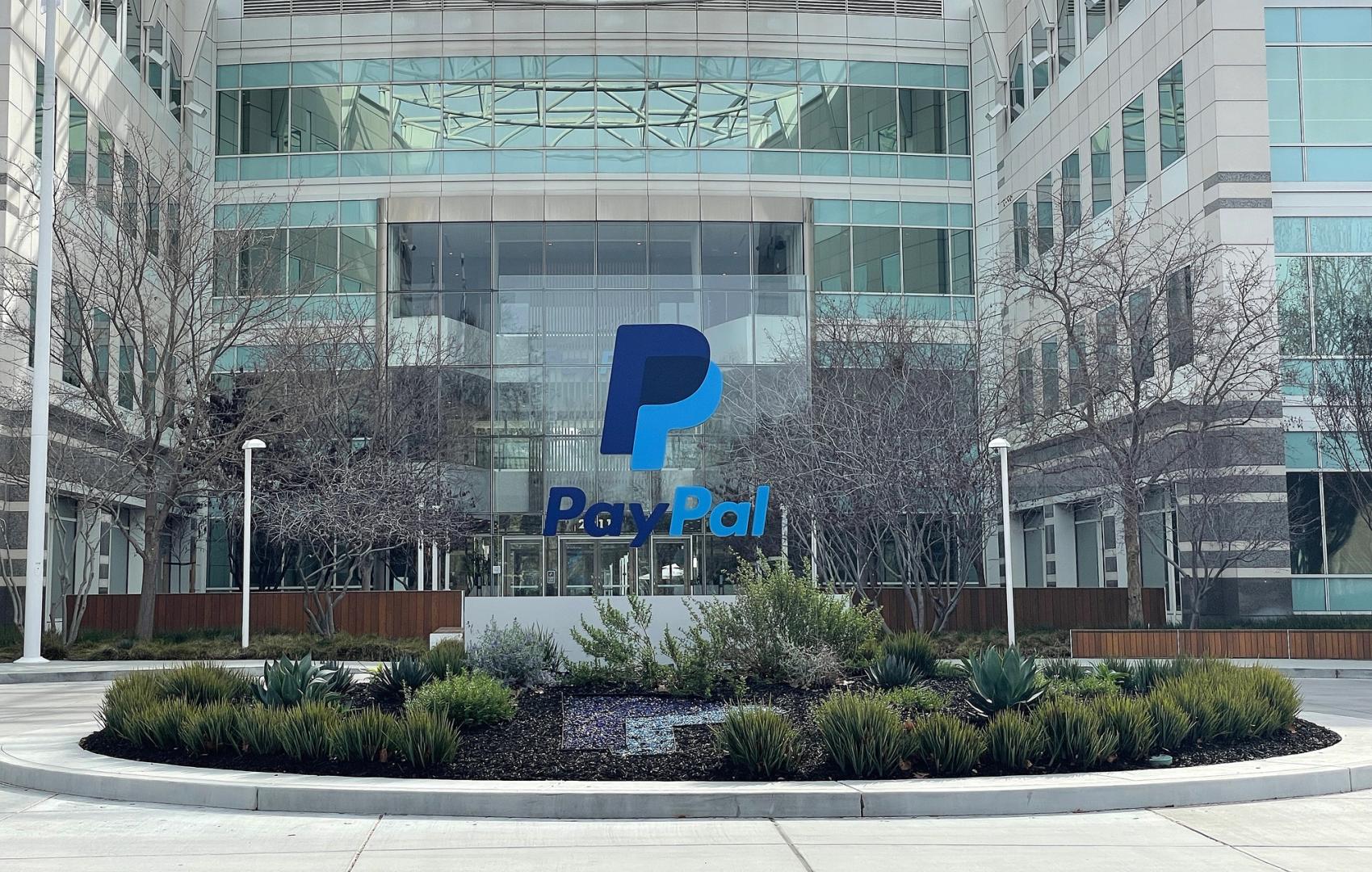
What happened
Reports have surfaced that digital payments giant Stripe, in conjunction with private equity firm Advent International, has recently mounted a formidable bid to acquire PayPal. This development follows an earlier expression of interest from the combined entities. While the exact valuation of the bid has been circulated at a significant USD $53 billion, PayPal has, according to sources, shown reluctance to engage with the offer at this stage.
Stripe, a privately held company based out of San Francisco, has rapidly grown into a prominent player in online payments processing, challenging established incumbents. Their robust infrastructure caters to a wide range of businesses, from startups to large enterprises, facilitating e-commerce transactions globally. Advent International is a global private equity firm with a long history of investing in various sectors, including technology and financial services.
PayPal, on the other hand, is a household name in digital payments, offering services that allow individuals and businesses to make and receive payments online. Having been initially part of eBay, PayPal spun off into an independent company, maintaining a significant global user base and brand recognition. The reported bid represents a substantial move in the competitive landscape of financial technology, potentially consolidating two of the largest players in the digital payments arena.
The reluctance from PayPal to engage with the offer suggests a complex situation, potentially involving internal strategic considerations or a perception that the offer does not fully reflect their value. Such high-stakes acquisition attempts often involve extensive negotiations, due diligence, and regulatory scrutiny, particularly given the size and global reach of both organisations involved. The market will undoubtedly be observing further developments closely.
Why it matters for Australian investors
For Australian investors, particularly those with exposure to the technology sector or payment processing companies, this potential acquisition could have several ripple effects. While neither Stripe nor PayPal are Australian-headquartered, both have a significant presence and impact on the digital economy down under. Many Australian businesses and consumers utilise their services for online transactions, whether it's paying for goods internationally or receiving payments for online services.
Australian investors with diversified portfolios that include global tech stocks or funds may find their holdings indirectly affected by such a significant merger. While direct investment opportunities in Stripe, as a private company, are limited for most retail investors, PayPal is publicly traded. Any sustained market reaction to the bid, either positive or negative, could influence its share price and, by extension, the performance of any funds or ETFs holding PayPal stock.
Furthermore, the competitive landscape for Australian payment gateways and crypto exchanges could evolve. Many Australian crypto exchanges, such as CoinSpot, Independent Reserve, Swyftx, and BTC Markets, rely on various payment rails for fiat deposits and withdrawals. Changes to the global payments ecosystem, particularly involving players as large as Stripe and PayPal, could ultimately influence the efficiency, cost, and availability of these services for Australian users.
Australian regulatory bodies like ASIC (Australian Securities and Investments Commission) and AUSTRAC (Australian Transaction Reports and Analysis Centre) closely monitor developments in the financial services and digital payments sectors. While an overseas merger of this nature would primarily fall under international jurisdiction, any operational changes affecting Australian users or businesses would still be of interest to these regulators, particularly concerning consumer protection and anti-money laundering obligations. The ATO's tax treatment of cryptocurrency transactions, for instance, often intertwines with how fiat on/off-ramps are structured.
Impact on the AUD market
Direct impacts on the Australian dollar (AUD) from this specific acquisition bid are likely to be indirect and nuanced rather than immediate or dramatic. Given that this is primarily a US-centric transaction between global entities, the primary currency involved would be the US dollar. However, broader shifts in global financial stability or investor sentiment, often catalysed by major corporate actions, can have flow-on effects.
Should the acquisition proceed and result in a more dominant global payments entity, this could potentially lead to increased efficiency or, conversely, reduced competition in the digital payments space. For Australian businesses that conduct international trade or operate e-commerce globally, any changes to transaction fees, processing times, or cross-border payment mechanisms could affect their operational costs and, ultimately, their profitability, with potential minor implications for AUD-denominated revenues.
Moreover, the tech sector's overall health and investor confidence often influence the appetite for risk assets, including currencies like the AUD. If this acquisition signals a new wave of consolidation or optimism in the tech sector, it might indirectly contribute to a generally positive risk sentiment, which can sometimes be supportive of the AUD. Conversely, if the attempt collapses or highlights underlying weaknesses in the sector, it could dampen sentiment.
From a cryptocurrency perspective, the AUD market for digital assets is influenced by the ease of fiat on/off-ramps. Many Australian crypto users rely on services that integrate with traditional payment systems. Any changes to the payment landscape could, over time, affect transaction costs or speeds for converting AUD to crypto and vice versa, impacting liquidity and user experience on Australian exchanges.
What to watch next
The immediate focus for Australian investors and market observers will be on PayPal's response to Stripe's reported bid. Whether PayPal chooses to engage, reject, or seek alternative options will be a critical next step. The dynamics of such a high-stakes negotiation can be fluid, with potential for counter-offers, revised terms, or even other interested parties emerging.
Beyond the initial engagement, regulatory scrutiny will be paramount. Given the significant market share and global reach of both Stripe and PayPal in the digital payments sector, any merger would undoubtedly attract intense examination from antitrust authorities in numerous jurisdictions, including potentially those with overlapping interests in Australia if the deal impacts local competition. The outcome of these regulatory reviews could significantly impact the feasibility and structure of the acquisition.
Australian investors should also monitor broader trends in the fintech sector. This acquisition attempt highlights the ongoing consolidation and intense competition within digital payments. Keeping an eye on how other major players respond, how innovation continues to evolve, and what impact this has on fees and services will be important. For those involved in the Australian crypto space, observing how payment integrations with exchanges like CoinSpot, Independent Reserve, Swyftx, and BTC Markets could be affected in the long term by such macro-level shifts in payments infrastructure will be key.
Finally, the implications for businesses that rely heavily on these platforms for their online sales and services in Australia should not be overlooked. Any changes to pricing structures, service offerings, or platform features stemming from a potential merger could require Australian businesses to reassess their payment processing strategies. This ongoing story serves as a reminder of the interconnectedness of global financial technology and its downstream effects on local markets.
Coins covered



Common questions
How might a Stripe and PayPal acquisition affect my crypto transactions on Australian exchanges?
A potential acquisition could indirectly influence the fiat on/off-ramps used by Australian crypto exchanges like CoinSpot or Swyftx. Changes in global payment processing fees or efficiency due to such a merger might, over time, translate into altered transaction costs or speeds for converting AUD to cryptocurrency and vice versa on these platforms.
Are Australian regulators like ASIC or AUSTRAC involved in a US-based acquisition of this size?
While the primary regulatory oversight for a US-based acquisition like this would be in the jurisdictions where Stripe and PayPal are headquartered, Australian regulators like ASIC and AUSTRAC would still closely monitor any operational changes impacting Australian consumers or businesses. They would ensure compliance with Australian financial laws, consumer protection, and anti-money laundering obligations.
If I hold global tech ETFs or funds, how could this affect my Australian investment portfolio?
If your Australian investment portfolio includes global technology ETFs or funds that hold PayPal stock, a significant acquisition bid from Stripe could impact the performance of these holdings. The market's reaction to the bid, as well as the eventual outcome of any merger, could influence PayPal's share price and, consequently, the value of your indirectly held investment.
Stripe's reported $53 billion bid for PayPal could shake up global payments. Discover what this means for Australian investors, the AUD market, and local cryp
About this article: this is an AI-generated summary of reporting by CoinDesk. It has not been reviewed by a human editor. We use AI to localise crypto news for Australian readers, and we link back to the original source so you can verify the facts.
Informational only — not financial advice. Always do your own research. Read our AI & editorial policy →