
StarkWare CEO suggests 4% annual Bitcoin inflation to replace 21M cap
AI-summarised from reporting by Cointelegraph. How we use AI.
What happened
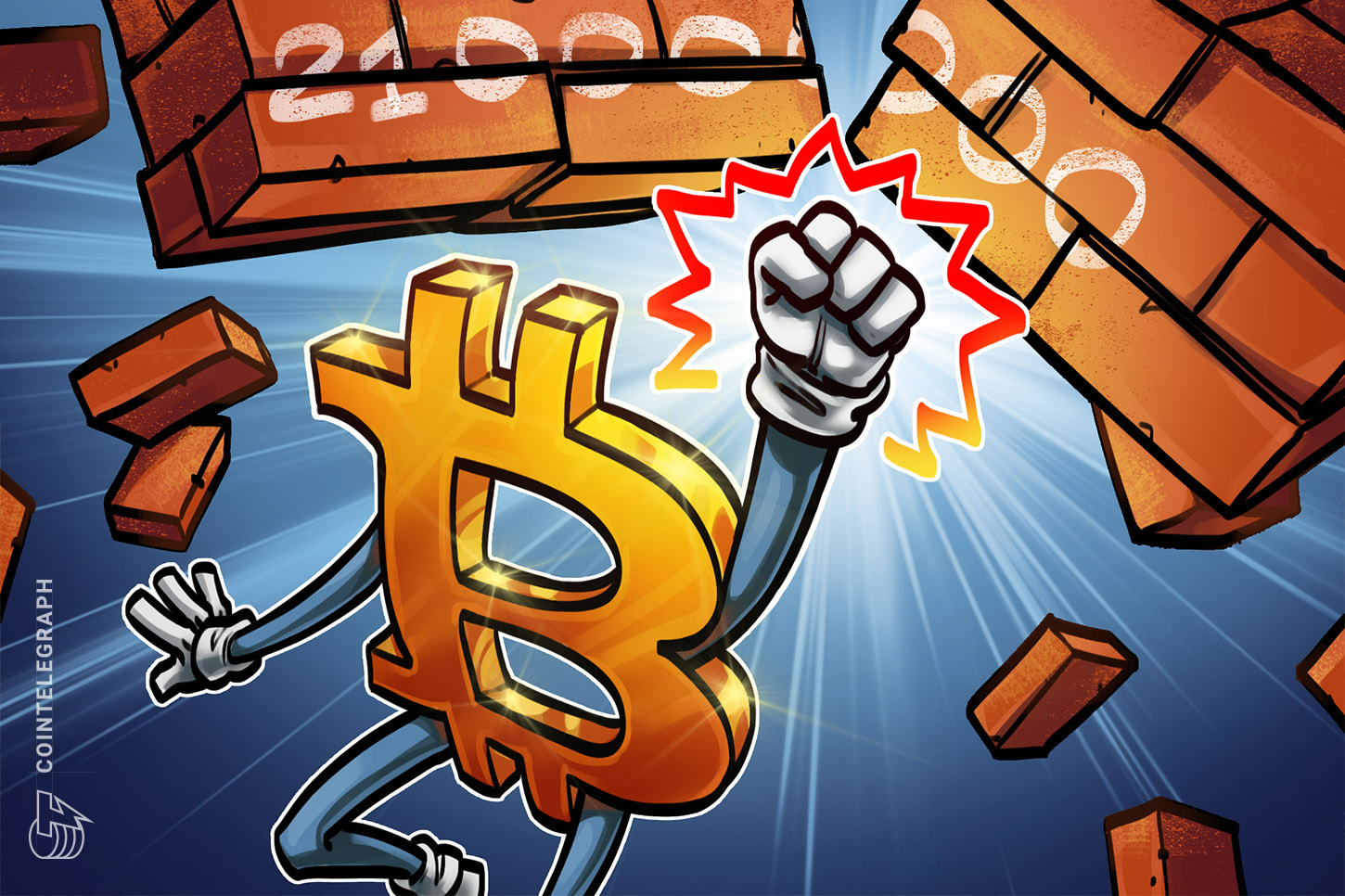
Eli Ben-Sasson, CEO of StarkWare, a prominent organisation in the blockchain space, recently ignited a significant debate within the global Bitcoin community. Ben-Sasson suggested a radical departure from one of Bitcoin's foundational tenets: its hard-capped supply of 21 million BTC. His proposal involves introducing a modest, perpetual inflation rate for Bitcoin, specifically around 4% annually.
Ben-Sasson's rationale is rooted in the observation that Bitcoin is continually lost. This loss occurs through various mechanisms, such as misplacing private keys, accidental deletion, or the death of holders without robust succession plans. He posits that this ongoing diminution of the usable Bitcoin supply effectively makes the asset deflationary in practice, undermining its utility as a circulating currency.
His argument suggests that a controlled inflationary schedule would offset these lost coins, maintaining a more stable, albeit slowly increasing, circulating supply. This, he believes, could enhance Bitcoin's long-term viability as a medium of exchange. The concept challenges the widely accepted narrative of Bitcoin's scarcity as its primary store-of-value proposition.
The suggestion has, predictably, met with considerable pushback from a large segment of the Bitcoin community. Many maximalists and long-term holders view the 21 million supply cap as sacrosanct and fundamental to Bitcoin's economic model. They argue that any alteration to this core principle would fundamentally change Bitcoin's character and risk eroding trust in its programmed scarcity.
Why it matters for Australian investors
Ben-Sasson's controversial suggestion, while currently theoretical, touches upon fundamental aspects of Bitcoin's value proposition that are highly relevant to Australian investors. Bitcoin's fixed supply is often cited as a key differentiator from traditional fiat currencies like the Australian Dollar, which can be subject to quantitative easing and uncapped issuance by central banks.
For Australian investors holding Bitcoin as a long-term store of value or a hedge against inflation, the idea of introducing an inflation rate could reshape their investment thesis. The appeal of digital scarcity is a significant driver for many, and a move away from this could prompt a re-evaluation of Bitcoin's role in diversified portfolios.
Should such a radical change ever gain traction, it could impact how Bitcoin is perceived against other scarce assets popular with Australian investors, such as gold or real estate. The debate itself highlights the ongoing evolution and philosophical discussions within the broader crypto ecosystem, influencing investor sentiment globally, including in Australia.
Australian investors access Bitcoin through various platforms, including local exchanges like CoinSpot, Independent Reserve, Swyftx, and BTC Markets, as well as international options. Any significant shift in Bitcoin's economic policy could trigger price volatility that these investors would observe and navigate on these platforms. It underscores the importance of understanding Bitcoin's core principles beyond just its current AUD trading price.
Impact on the AUD market
While Ben-Sasson's proposal is a philosophical debate rather than an imminent policy change, its discussion can reverberate through the Australian crypto market. The AUD-denominated price of Bitcoin is influenced by global sentiment, and such high-level discussions about its fundamental economics contribute to that sentiment.
If the crypto community were to ever seriously consider such a change, it could lead to significant market uncertainty and price fluctuations. Australian investors might see increased volatility in their Bitcoin holdings, especially if there's a divergence of opinion on exchanges operating in AUD.
Furthermore, the Australian Taxation Office (ATO) currently treats Bitcoin as property for tax purposes, with capital gains tax applicable when it's sold or exchanged. Any fundamental change to Bitcoin's economic model, while unlikely to immediately alter its tax classification, could influence its long-term perception as an investment asset in the eyes of regulators like AUSTRAC or ASIC, who oversee financial products and transactions.
The stability provided by a fixed supply is often a selling point when discussing Bitcoin's characteristics with a broader Australian audience. If this cornerstone were ever to be challenged and potentially altered, it could shift the narrative around Bitcoin's adoption and integration into the wider Australian financial landscape, affecting how it's viewed by institutional investors and retail participants alike.
What to watch next
For Australian investors, the primary takeaway from this discussion is to remain attuned to the ongoing philosophical debates within the Bitcoin community. While Ben-Sasson's idea is currently a minority view, the conversation it sparked is indicative of the constant re-evaluation and discussion that shapes the decentralised finance world.
Keep an eye on how prominent figures within the Bitcoin development community and major organisations react to similar proposals. Consensus on such a fundamental change would be exceptionally difficult to achieve, given Bitcoin's decentralised nature and strong community ethos around its scarcity.
Monitor global market sentiment and Bitcoin's price action on Australian exchanges. Significant shifts in core narratives can sometimes precede broader market movements. Understanding the underlying arguments for and against such changes will provide better context for market fluctuations.
Finally, continue to educate yourself on Bitcoin's core principles and economic model. The strength of its decentralised network and protocol rules is what gives it value. While theoretical debates like this can be provocative, they ultimately serve to reinforce the community's commitment to, or challenge of, these fundamental tenets. For ASIC-regulated entities and AUSTRAC-registered exchanges, the regulatory landscape regarding asset classification remains stable, but understanding these debates helps predict future trends.
Coins covered


Common questions
What is Bitcoin's 21 million supply cap and why is it important to Australian investors?
Bitcoin's 21 million supply cap refers to the maximum number of Bitcoin that will ever be created. This fixed scarcity is a core feature, making it a deflationary asset often seen as a 'digital gold'. For Australian investors, this scarcity is a key appeal, differentiating it from the uncapped Australian Dollar and potentially offering a hedge against inflation. Any change to this cap would fundamentally alter its investment thesis.
How does the loss of Bitcoin keys affect its circulating supply for Australian investors?
When a Bitcoin private key is lost, the associated Bitcoin becomes irretrievable and effectively removed from circulation forever. While the total number of Bitcoin ever mined increases towards 21 million, the actual 'usable' circulating supply diminishes over time due to these losses. For Australian investors, this means the effective scarcity is even greater than the nominal cap suggests, potentially increasing the value of remaining coins, but it also highlights the critical importance of secure key management.
Would a change to Bitcoin's inflation rate affect how the ATO taxes my crypto in Australia?
Currently, the Australian Taxation Office (ATO) treats Bitcoin as property for tax purposes, meaning capital gains tax applies when you sell, trade, or dispose of it. A theoretical change to Bitcoin's inflation rate, while a fundamental economic shift for the asset, would unlikely directly alter its classification as property by the ATO. The tax implications for Australian investors would remain tied to the capital gains rules, irrespective of changes to its monetary policy or supply.
StarkWare CEO's Bitcoin inflation proposal sparks debate, challenging the 21M cap. CoinPulse AU analyses what this means for Australian investors.
About this article: this is an AI-generated summary of reporting by Cointelegraph. It has not been reviewed by a human editor. We use AI to localise crypto news for Australian readers, and we link back to the original source so you can verify the facts.
Informational only — not financial advice. Always do your own research. Read our AI & editorial policy →