
Ripple co-founder backs venture launched by US senator's son: Report
AI-summarised from reporting by Cointelegraph. How we use AI.
What happened
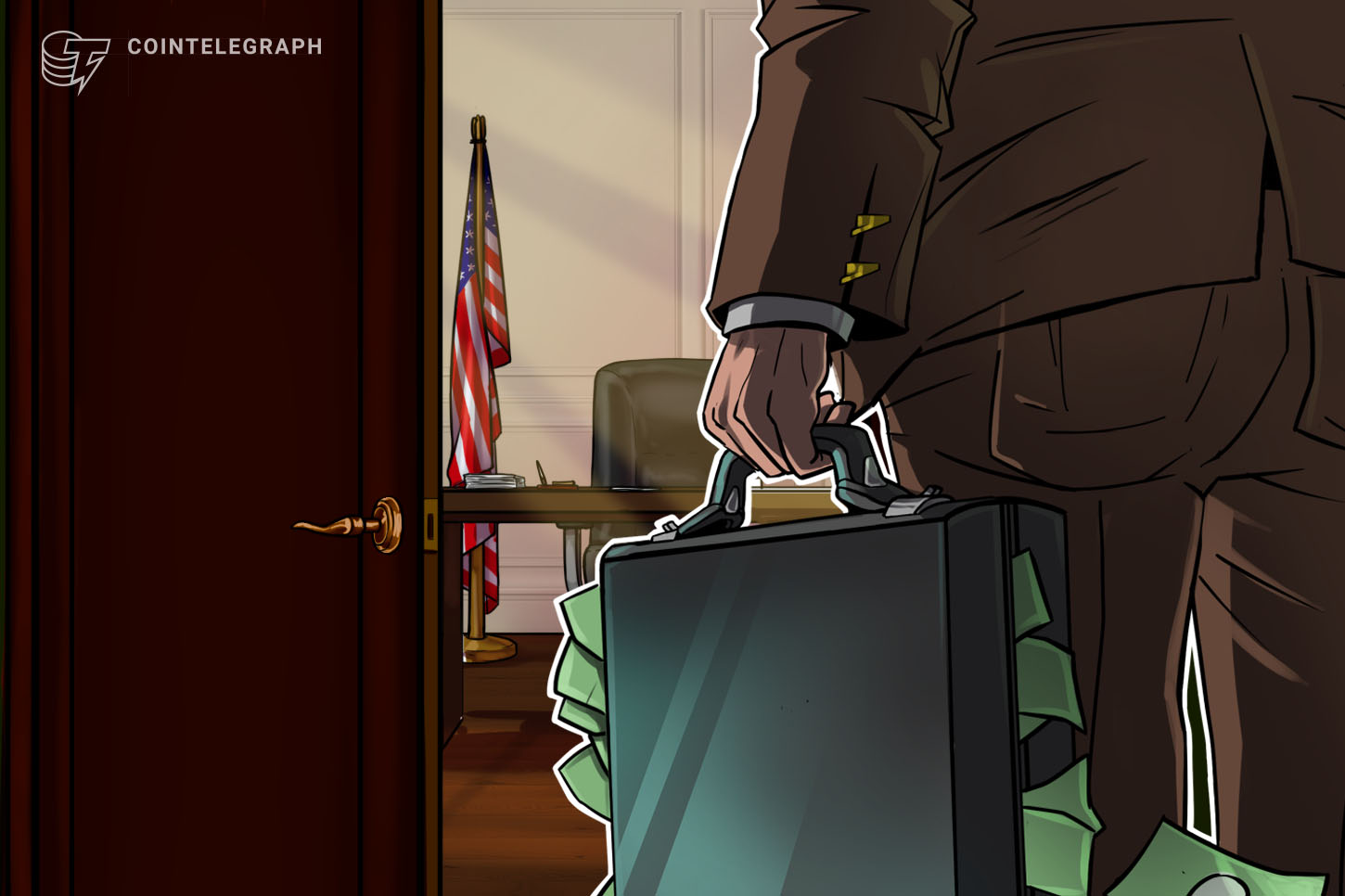
Reports have surfaced detailing that Ripple co-founder Chris Larsen has provided backing to a new derivatives exchange. This venture is notable as it was launched by the son of US Senator Kirsten Gillibrand. The senator herself has been actively involved in discussions surrounding a crypto market structure bill within the US Congress.
The timing of these revelations has drawn attention, particularly given Senator Gillibrand's legislative work. She has explicitly stated that she had “no involvement” in her son’s derivatives exchange. This clarification comes amidst ongoing negotiations regarding ethics and the regulatory framework for the burgeoning cryptocurrency market in the United States.
Why it matters for Australian investors
While this development originates in the US, it holds relevance for Australian investors monitoring the global regulatory landscape for digital assets. The involvement of political figures' families and prominent industry players in crypto ventures often signals increasing mainstream adoption and scrutiny. Such connections can influence how traditional finance and government bodies perceive the integrity and future direction of the crypto market.
For Australian investors, understanding these international dynamics is crucial. Regulatory shifts in major economies like the US often create ripple effects, potentially influencing local policy approaches by bodies like ASIC or AUSTRAC. A more mature, and rigorously scrutinised, global market could also attract greater institutional investment, impacting overall market stability and growth in which Australian exchanges like CoinSpot, Independent Reserve, Swyftx, and BTC Markets participate.
Impact on the AUD market
The primary impact on the AUD market from this specific US development is likely to be indirect. Growing mainstream involvement and regulatory scrutiny in large markets like the US can bolster overall investor confidence in the crypto space. This, in turn, could lead to increased capital flows into digital assets globally, including those traded against the Australian dollar.
However, it's also worth considering the inverse. Should ethical concerns or regulatory challenges stemming from such connections escalate, they could spark broader market uncertainty. This uncertainty might lead some risk-averse investors to temporarily pull back from digital assets, potentially affecting AUD-denominated crypto pairs. Australian exchanges would keenly observe any shifts in investor sentiment that might impact trading volumes and liquidity.
Currently, there is no direct, immediate quantifiable impact on AUD crypto prices or trading volumes on Australian platforms such as CoinSpot, Independent Reserve, Swyftx, or BTC Markets. The relevance lies more in the precedent it sets for industry-political relationships and the ongoing narrative around crypto regulation and ethics, which certainly informs the broader investment climate Australian investors operate within.
What to watch next
Australian investors should continue to monitor the broader US regulatory environment, especially any progress on the market structure bill Senator Gillibrand is involved with. The outcome of these legislative efforts could provide a blueprint or at least strong indicators for how other developed nations, including Australia, might approach crypto regulation.
Further reports on the derivatives exchange and the specifics of its backing by prominent figures like Chris Larsen will also be important. Transparency and adherence to ethical standards in these new ventures will be critical for fostering trust in the wider crypto ecosystem. Any major breakthroughs or controversies could influence global sentiment and, by extension, the AUD crypto market.
Locally, observe how ASIC and AUSTRAC respond to or comment on international regulatory best practices and ethical considerations. The ATO's stance on tax treatment for derivatives and other crypto products, which are constantly evolving, would also be of interest. Keeping an eye on these developments will help Australian investors navigate the evolving digital asset landscape.
Coins covered

Common questions
What does this US news mean for my crypto taxes in Australia?
This specific US development does not directly alter Australian crypto tax obligations. However, broader regulatory discussions, like those Senator Gillibrand is involved in, can shape global standards. Australian investors should always refer to the latest guidance from the ATO regarding the tax treatment of their digital asset holdings and activities.
Could similar situations involving politicians or their families happen on Australian crypto exchanges?
While this specific instance is US-based, the general principle of scrutiny around connections between political figures and emerging industries applies globally. Australian regulatory bodies like ASIC and AUSTRAC aim to ensure transparency and proper conduct within the financial sector, including crypto. Any such situations in Australia would likely face similar public and regulatory examination.
How does Ripple's co-founder backing this US derivatives exchange impact my XRP holdings on Australian platforms like CoinSpot or Swyftx?
This news indicates continued venture capital activity by figures prominent in the crypto space, including those associated with Ripple. While it doesn't directly impact the price of XRP on Australian exchanges, it broadly signals ongoing development and investment within the digital asset ecosystem. Individual investment decisions should always be based on comprehensive research and personal financial circumstances.
Ripple co-founder backs a US derivatives exchange launched by a senator's son. Discover what this means for Australian investors and the AUD crypto market.
About this article: this is an AI-generated summary of reporting by Cointelegraph. It has not been reviewed by a human editor. We use AI to localise crypto news for Australian readers, and we link back to the original source so you can verify the facts.
Informational only — not financial advice. Always do your own research. Read our AI & editorial policy →