
Hyperliquid Trader Turns $28K Into $3M as Grayscale HYPG ETF Targets 0.29% Fee Launch
What happened
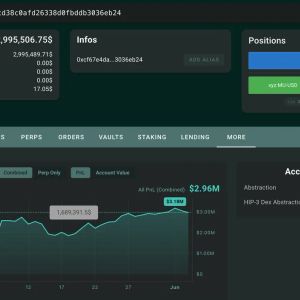
A recent on-chain analysis has illuminated an extraordinary trading success on the Hyperliquid decentralised exchange, capturing the attention of the global crypto market. A specific wallet, identified by its address 0xcf6, reportedly transformed an initial investment of approximately US$28,000 into almost US$3 million within a two-month timeframe. This significant profit gain showcases the volatile yet potentially lucrative nature of decentralised finance (DeFi) trading platforms.
This particular trading account commenced operations in late 2023, with its initial capital deposited on Hyperliquid. The aggressive growth trajectory highlights the high-risk, high-reward environment characteristic of perpetual futures trading, which is a common offering on platforms like Hyperliquid. Such platforms allow users to trade derivatives with high leverage, amplifying both potential gains and losses.
The swift accumulation of capital by this individual trader underscores the capabilities of sophisticated trading strategies and market timing in the fast-paced DeFi ecosystem. While the exact trading methodologies employed by wallet 0xcf6 remain proprietary, the outcome serves as a compelling case study for those observing the cutting edge of digital asset trading. It also reinforces the narrative around the potential for substantial returns in nascent market segments.
Simultaneously, a notable development in the traditional finance (TradFi) sphere indicates a convergence of institutional interest into the crypto asset class. Grayscale, a prominent digital asset manager, has announced its intention to launch an exchange-traded fund (ETF) called HYPG. This ETF is set to target a competitive management fee of 0.29%, positioning it to attract significant capital from institutional and retail investors seeking exposure to the digital asset market through regulated investment vehicles.
Why it matters for Australian investors
For Australian investors, these developments present a dual perspective on the evolving crypto landscape. The Hyperliquid trading saga illustrates the potential for high-risk, high-reward opportunities within decentralised platforms. While such platforms may offer attractive returns, they also come with inherent risks, including smart contract vulnerabilities, liquidity issues, and regulatory uncertainties. Australian investors considering participation in such environments should exercise extreme caution and conduct thorough due diligence, being mindful of the ASIC's ongoing focus on investor protection and the ATO's guidance on tax obligations for cryptocurrency holdings.
The Grayscale HYPG ETF, on the other hand, signals growing institutional acceptance and the maturation of the crypto market. A low-fee ETF can provide a more regulated and accessible pathway for Australian investors to gain exposure to digital assets without directly purchasing or holding cryptocurrencies. This can be particularly appealing for those who prefer the familiarity and oversight offered by traditional financial products.
Increased institutional participation, driven by products like the HYPG ETF, can also contribute to market stability and broader adoption, which could indirectly benefit Australian investors holding cryptocurrencies. As more capital flows into the sector via regulated channels, it can enhance liquidity and potentially reduce volatility in the long term. This provides a counterpoint to the more speculative, high-leverage trading environment seen on platforms like Hyperliquid.
Furthermore, the competitive fee structure of the proposed Grayscale ETF could set a benchmark for future digital asset investment products, potentially driving down costs across the industry. This is a positive development for Australian investors, as lower fees translate to better net returns. Australian crypto exchanges such as CoinSpot, Independent Reserve, Swyftx, and BTC Markets continue to be crucial gateways for direct cryptocurrency purchases, offering varied fee structures and services that cater to local trading preferences. Investors are reminded to consider AUSTRAC's role in combating illicit financial activity within the digital asset space, ensuring that platforms adhere to stringent compliance standards.
Impact on the AUD market
While the Hyperliquid trading success is a testament to individual prowess in a global market, and the Grayscale ETF focuses on the US market initially, both have indirect ramifications for the Australian Dollar (AUD) crypto market. Significant movements in the global crypto market, whether from speculative trading or institutional inflows, often impact the pricing of digital assets globally, including their AUD denominated values on Australian exchanges. A bullish sentiment driven by spectacular gains or new institutional products can see capital flow into crypto, potentially strengthening AUD-crypto trading pairs.
Conversely, increased institutional adoption could lead to a shift in investor behaviour. Some Australian investors might opt for regulated ETF products overseas, if similar options are not readily available or competitive locally, potentially diverting some capital flows that might otherwise directly enter the AUD crypto market via local exchanges. However, the overall legitimisation of the asset class by such ETFs could also draw hesitant investors into the market, ultimately benefiting Australian platforms as well.
The regulatory landscape in Australia is also a key factor. As global markets evolve with new products and trading strategies, Australian regulators like ASIC are closely observing developments to ensure local market integrity and investor protection. Any significant global shifts could influence future policy decisions regarding cryptocurrency offerings in Australia, impacting how digital assets are traded and invested in by Australian citizens.
Finally, the increased sophistication of global crypto markets, highlighted by both the Hyperliquid scenario and the Grayscale ETF, underscores the need for Australian investors to remain informed. Understanding the broader market trends, even those originating offshore, is crucial for making informed decisions within the local AUD crypto ecosystem, whether trading on CoinSpot or managing tax obligations with the ATO.
What to watch next
Looking ahead, Australian investors should closely monitor the performance and uptake of institutional crypto products like the Grayscale HYPG ETF. Its success could pave the way for similar offerings in other jurisdictions, potentially including Australia, which would provide more regulated investment avenues for local capital. The competitive fee of 0.29% will be a key metric to observe, as it could set new standards for the cost of institutional crypto exposure.
On the decentralised front, the ongoing innovation and rapid capital accumulation on platforms like Hyperliquid will continue to be a significant area of interest. These platforms are often incubators for new trading strategies and financial primitives. Australian investors keen on participating in DeFi should keep a vigilant eye on security audits, protocol robustness, and evolving regulatory stances globally, which often prefigure local regulatory frameworks.
Furthermore, attention should remain on the broader cryptocurrency market sentiment. How the aggregate market reacts to these diverse developments — from individual trading triumphs to institutional product launches — will dictate overall price action. For Australian investors, this means keeping an eye on the AUD-denominated prices of major cryptocurrencies on their preferred exchanges and understanding the implications for their portfolio's value and ATO tax reporting.
Lastly, regulatory developments, both international and domestic, will be paramount. Any movement by global financial bodies or Australian regulators like ASIC and AUSTRAC concerning the oversight of decentralised finance or crypto ETFs could significantly impact how Australian investors engage with digital assets. Staying informed about these evolving frameworks is crucial for navigating the Australian crypto landscape effectively and compliantly.
Coins covered


Common questions
How do decentralised exchanges (DEXs) like Hyperliquid differ from Australian centralised exchanges (CEXs) like CoinSpot or Swyftx?
DEXs operate without a central authority, allowing peer-to-peer trading directly from users' wallets, often offering a wider range of tokens and advanced trading options like perpetual futures. Australian CEXs like CoinSpot or Swyftx, on the other hand, act as custodians for users' funds and facilitate trades on a centralised order book. They typically offer more user-friendly interfaces, robust customer support, and comply with Australian regulatory obligations set by bodies like AUSTRAC and ASIC, which can provide an added layer of investor protection and easier tax reporting to the ATO.
What are the tax implications for Australian investors if they have significant earnings from cryptocurrency trading on platforms like Hyperliquid?
In Australia, the ATO views cryptocurrency as an asset for capital gains tax (CGT) purposes. Significant earnings from trading on any platform, decentralised or centralised, are subject to CGT. If you're considered a 'trader' by the ATO, your activities might be treated as a business, with different tax implications. All transactions, including profits from perpetual futures or spot trading, must be accurately recorded and declared. It's highly recommended to consult with a tax professional experienced in cryptocurrency to ensure compliance with Australian tax laws and avoid penalties.
Could a low-fee crypto ETF like Grayscale's HYPG become available for Australian investors, and what would be the benefits?
While Grayscale's HYPG ETF is currently aimed at the US market, similar low-fee crypto ETFs could potentially become accessible to Australian investors in the future, subject to regulatory approval from ASIC. The benefits would include providing a regulated, accessible, and potentially lower-cost way to gain exposure to digital assets without the complexities of direct cryptocurrency ownership, wallet management, or dealing with decentralised platforms. This could attract more traditional investors into the digital asset space, fostering greater market liquidity and potentially enhancing the legitimacy of the asset class within Australia's financial ecosystem.
A Hyperliquid trader turned US$28K into US$3M, while Grayscale targets a 0.29% fee for its HYPG ETF. Explore how these global crypto events impact Australian