
Forehead tattoos and alcohol dares: Inside the dark underbelly of crypto's memecoin craze
AI-summarised from reporting by CoinDesk. How we use AI.
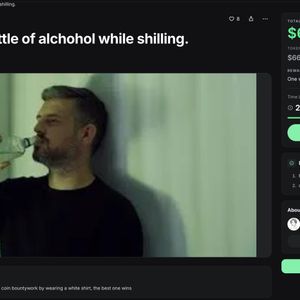
What happened
A disturbing trend has emerged from the memecoin sector, prompting serious questions about incentivised online behaviour. Platforms are reportedly paying individuals to perform increasingly outlandish and potentially exploitative acts, ranging from head-shaving to consuming excessive alcohol on camera. This trend extends to interviewing vulnerable populations, such as homeless individuals, for content that is then broadcast online.
At the heart of this controversy is Pump.fun, a platform that facilitates the creation and trading of memecoins. It appears that the platform's recent product iterations are directly or indirectly fostering this type of content creation. The underlying incentive structure, where participants are allegedly remunerated for these acts, blurs the lines between genuine community engagement and outright exploitation.
This development highlights the problematic aspects of hyper-monetisation within certain decentralised finance (DeFi) niches. While memecoins often thrive on virality and community-driven content, this particular manifestation crosses a concerning ethical boundary. The focus has seemingly shifted from novelty and humour to shock value and sensationalism, with potentially damaging consequences for those involved and the broader public perception of the crypto space.
The content generated often leverages social media platforms to gain traction, further amplifying the reach of these controversial stunts. The allure of quick financial gains, even for seemingly trivial acts, appears to be a strong motivator for participants. This situation underscores the ongoing challenge of governing user-generated content and the ethics of incentivisation within rapidly evolving digital ecosystems.
Why it matters for Australian investors
For Australian investors, this trend in the memecoin market serves as a crucial reminder of the speculative and unregulated nature of many crypto assets. While the immediate focus is on individual behaviour, the underlying mechanisms that incentivise such actions reflect the heightened risks associated with certain digital tokens. Australian regulators, such as ASIC (Australian Securities and Investments Commission) and AUSTRAC (Australian Transaction Reports and Analysis Centre), continuously monitor the crypto landscape for illicit activities and consumer protection issues.
Investments in memecoins are inherently high-risk, often lacking fundamental utility or robust development teams. Their value is largely driven by hype, social media sentiment, and community engagement. When that engagement becomes predicated on exploitative or ethically dubious content, it introduces an additional layer of reputational and financial risk for investors.
Australian crypto exchanges like CoinSpot, Independent Reserve, Swyftx, and BTC Markets typically list more established cryptocurrencies, though some may offer access to a broader range of tokens, including certain memecoins. Investors utilising these platforms need to exercise extreme caution and conduct thorough due diligence before engaging with any project, particularly those with a strong reliance on viral marketing tactics that could involve ethically questionable content.
Furthermore, the Australian Taxation Office (ATO) treats cryptocurrency as property for tax purposes. Profits from memecoin trading, regardless of the underlying content generating hype, are subject to capital gains tax. Losses can also be offset. The volatility and unpredictable nature of memecoins mean that significant gains or losses can occur rapidly, impacting tax obligations.
Impact on the AUD market
The direct impact of these specific memecoin activities on the broader Australian dollar (AUD) crypto market is likely to be limited but contributes to a general sentiment of caution. While individual memecoin projects might experience short-term pumps and dumps due to viral content, their isolated nature means they typically don't cause systemic shocks across the entire AUD-denominated crypto ecosystem.
However, a sustained pattern of unethical or exploitative behaviour within the crypto space could have wider implications for regulatory sentiment in Australia. Increased scrutiny from bodies like ASIC could lead to calls for tighter regulations on crypto projects, exchanges, or even marketing practices. This, in turn, could influence how Australian institutions and everyday investors perceive and engage with digital assets.
Negative narratives stemming from such incidents can also deter new entrants into the Australian crypto market. Potential mainstream adoption relies heavily on building trust and demonstrating the utility and ethical soundness of blockchain technology. Incidents that highlight exploitation or irresponsible behaviour undermine these efforts, potentially leading to slower growth in AUD-pegged crypto investments.
Sophisticated Australian investors and institutional players often focus on projects with clear use cases, strong governance, and regulatory compliance. The memecoin phenomena, particularly its darker aspects, reinforces the perceived gap between speculative digital assets and more robust, institutionally-friendly blockchain applications. This dynamic could encourage capital to flow towards more 'blue-chip' cryptocurrencies and away from highly speculative ventures, indirectly affecting market liquidity and sentiment for certain segments in the AUD crypto market.
What to watch next
Moving forward, it will be crucial to observe how platforms like Pump.fun address the ethical concerns surrounding incentivised, exploitative content. Will they implement stricter content moderation policies, or redefine their incentive structures to discourage such behaviour? The response (or lack thereof) from these platforms will be a key indicator of their commitment to responsible growth within the decentralised ecosystem.
Australian regulators will likely continue to monitor the space closely. Any escalation of these types of incidents could prompt more explicit warnings or even pre-emptive regulatory actions concerning highly speculative and community-driven tokens. Investors should remain vigilant for announcements from ASIC, AUSTRAC, and the ATO regarding consumer protection, anti-money laundering (AML), and taxation of digital assets.
The broader crypto community's reaction will also be important. Calls for industry self-regulation and the promotion of ethical content creation could emerge as a counterbalance to these negative trends. Projects that prioritise genuine utility, transparent development, and responsible community building may gain an advantage as investors become more discerning.
For Australian investors, maintaining a high level of due diligence remains paramount. Evaluate projects based on their fundamentals, use cases, and the integrity of their community engagement, rather than solely on viral trends. Diversification, risk management, and staying informed about regulatory developments will be essential for navigating the evolving crypto landscape responsibly. The rise of ethically dubious content serves as a stark reminder of the wild west elements that still persist in certain corners of the digital asset world.
Coins covered


Common questions
Are memecoins legal to buy in Australia?
Yes, memecoins are generally legal to buy and hold in Australia, similar to other cryptocurrencies. However, they are highly speculative and often lack underlying utility, making them very high-risk investments. Investors should be aware of the volatility and potential for significant losses.
How does the ATO tax memecoin profits for Australian investors?
The Australian Taxation Office (ATO) treats memecoins as property for tax purposes. Any profit made from selling or swapping memecoins is generally subject to Capital Gains Tax (CGT). This also applies when using memecoins to purchase goods or services. Keeping accurate records of all transactions is crucial for tax reporting.
Which Australian exchanges offer memecoins, and are they safe?
While major Australian exchanges like CoinSpot, Independent Reserve, Swyftx, and BTC Markets primarily focus on more established cryptocurrencies, some may offer specific memecoins based on demand and their listing criteria. The safety of an exchange depends on its security measures and regulatory compliance, but the safety of a memecoin itself relates to its inherent volatility and market risks, regardless of where it's traded.
Explore the ethical dilemmas of memecoin trends and their implications for Australian investors. Understand risks, regulatory impacts, and what to watch next.
About this article: this is an AI-generated summary of reporting by CoinDesk. It has not been reviewed by a human editor. We use AI to localise crypto news for Australian readers, and we link back to the original source so you can verify the facts.
Informational only — not financial advice. Always do your own research. Read our AI & editorial policy →