
Firefox Adds AI Off-Switch, Brave Charges $60 for No-AI, Argentina AI Stumbles
AI-summarised from reporting by CoinOtag. How we use AI.
What happened
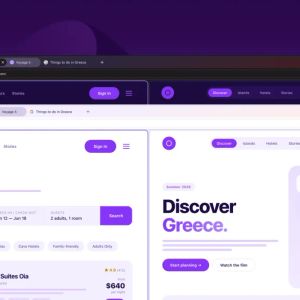
Mozilla, the organisation behind the Firefox web browser, recently unveiled 'Project Nova', a significant visual and functional overhaul for its browser. Set for release later this year, the update primarily focuses on user interface enhancements, such as redesigned tabs and a refreshed colour palette. However, the most talked-about feature, and one with potential implications for the broader tech and cryptocurrency ecosystems, is the inclusion of an 'AI off-switch'.
This new functionality grants users the ability to disable AI-powered features within the browser directly. While the specific AI functionalities being integrated into Firefox haven't been fully detailed, this move signals a growing industry trend towards giving users more control over how artificial intelligence interacts with their online experience. It represents a a direct response to increasing user demand for transparency and agency in the age of pervasive AI integration.
In a contrasting approach, the privacy-focused Brave browser, known for its in-built ad blocker and crypto-rewards system (Basic Attention Token, or BAT), has reportedly introduced a paid tier that offers an 'AI-free' browsing experience for a fee. This indicates a divergent strategy among browser developers in addressing user concerns around AI. Brave's model suggests that some users may be willing to pay for a guaranteed AI-free environment, positioning it as a premium feature rather than a default user option.
Simultaneously, reports from Argentina highlight challenges and 'stumbles' in the country's public sector AI initiatives. While specific details remain scarce in the source, this broader global context underscores the varying speeds and complexities of AI adoption, development, and regulation across different jurisdictions. Such developments can influence public perception and policy discussions around AI's role in daily life and technology.
Why it matters for Australian investors
The introduction of AI 'off-switches' and paid 'AI-free' options in major web browsers like Firefox and Brave introduces a new dimension to user preference and data privacy. For Australian investors, particularly those with holdings in privacy-centric cryptocurrencies or projects focused on decentralised identity and data ownership, these developments are highly relevant. Increased user demand for control over AI could catalyse growth in protocols that offer alternatives to centralised data processing and AI models.
Projects building on Web3 principles, which often champion user sovereignty over data, might see increased adoption if a significant portion of internet users opt for AI-off or AI-free environments. This shift could make decentralised applications (dApps) and privacy-preserving technologies more appealing. Australian investors looking at long-term trends in digital assets should consider how widespread AI integration, and user responses to it, could reshape the competitive landscape for various blockchain protocols.
Furthermore, the contrasting approaches of Firefox and Brave highlight a potential market for 'AI-free' services. If this becomes a significant differentiator, it could influence the valuation of tech companies and even crypto projects that either embrace or reject deep AI integration. Investors should assess projects' strategies regarding AI and how they align with evolving user expectations for privacy and control. The discourse around AI in browsers also contributes to the broader conversation about digital rights, which can indirectly impact regulatory approaches to technology and cryptocurrency in Australia and globally.
Impact on the AUD market
While these browser-specific AI developments don't directly impact the Australian dollar (AUD) or its immediate exchange rates against cryptocurrencies like Bitcoin (BTC) or Ethereum (ETH), they contribute to the overarching narrative of technological innovation and user choice shaping the digital economy. For Australian cryptocurrency exchanges such as CoinSpot, Independent Reserve, Swyftx, and BTC Markets, understanding these user trends is crucial for platform development and user acquisition strategies.
If a significant segment of their Australian user base expresses a desire for more AI control, these platforms might explore integrating features that cater to such preferences, or they might see an uptake in trading volumes for privacy-focused digital assets. The subtle shifts in user behaviour influenced by AI adoption and rejection could indirectly affect which cryptocurrencies gain traction within the Australian market. Projects that offer verifiable privacy or enable user control over data may see increased interest from Australian investors.
Moreover, the evolving landscape of AI in technology could influence how Australian regulators, including AUSTRAC and ASIC, perceive risks and opportunities in the crypto space. Discussions around data privacy, algorithmic bias, and user control, spurred by browser-level AI features, could inform future policy directions. While not an immediate concern, a long-term view suggests that regulatory clarity around AI's role in financial services and digital assets could impact market stability and investor confidence in Australia.
What to watch next
Australian investors should closely monitor the actual user uptake and feedback regarding Firefox's AI 'off-switch' once it rolls out. The level of public engagement with this feature will be a key indicator of mainstream sentiment towards embedded AI. Similarly, observing the market response to Brave's paid 'AI-free' tier will reveal whether a significant segment of users values an AI-exempt experience enough to pay for it. These insights can help in assessing the future demand for privacy-enhancing technologies and related crypto projects.
Keep an eye on how other major browser developers respond to these trends. If strong user preference for AI control emerges, it's plausible that other browsers will follow suit, leading to a broader industry shift. This could have trickle-down effects on the development of Web3 applications and the utility of various native tokens. The ongoing policy discussions around AI governance globally, including any potential developments from the Australian government, will also be important.
Finally, continued observation of the 'stumbles' and successes in AI implementation in various sectors, both domestically and internationally, will provide context. Learnings from these broader AI applications can offer valuable insights into the maturity and public acceptance of AI, ultimately informing investment decisions in the rapidly evolving digital asset space. The ATO's stance on tax treatment for new forms of digital assets arising from AI-driven economies will also remain a perennial consideration for Australian crypto investors.
Coins covered



Common questions
How does an AI 'off-switch' in browsers relate to my crypto investments in Australia?
An AI 'off-switch' indicates a growing user demand for privacy and control over digital experiences. For Australian crypto investors, this could signal increased interest in privacy-centric cryptocurrencies, decentralised data solutions, and Web3 projects that empower users with data ownership, potentially boosting their value over time.
Will Australian crypto exchanges like CoinSpot or Swyftx be affected by these browser AI developments?
While not directly impacted, Australian crypto exchanges may indirectly see shifts in user preferences. If Australian users increasingly seek privacy and AI control, these platforms might notice a greater interest in trading privacy coins or decentralised finance (DeFi) tokens, influencing their listing and feature development strategies to cater to evolving user demands.
Could the Australian government or ATO change crypto regulations due to browser AI discussions?
Discussions around data privacy, algorithmic transparency, and user control, spurred by browser AI features, could influence broader regulatory conversations. While no immediate changes are expected, the Australian government, AUSTRAC, and ATO continually monitor technological developments. Future policies regarding data, digital identity, and the tax treatment of AI-driven digital assets could potentially emerge, impacting the Australian crypto landscape.
Explore how Firefox's new AI 'off-switch' and Brave's 'AI-free' option could reshape the crypto landscape for Australian investors. Dive into privacy trends a
About this article: this is an AI-generated summary of reporting by CoinOtag. It has not been reviewed by a human editor. We use AI to localise crypto news for Australian readers, and we link back to the original source so you can verify the facts.
Informational only — not financial advice. Always do your own research. Read our AI & editorial policy →