
Ether, XRP flat as chip stocks steady on Samsung's 250-fold profit surge
AI-summarised from reporting by CoinDesk. How we use AI.
What happened
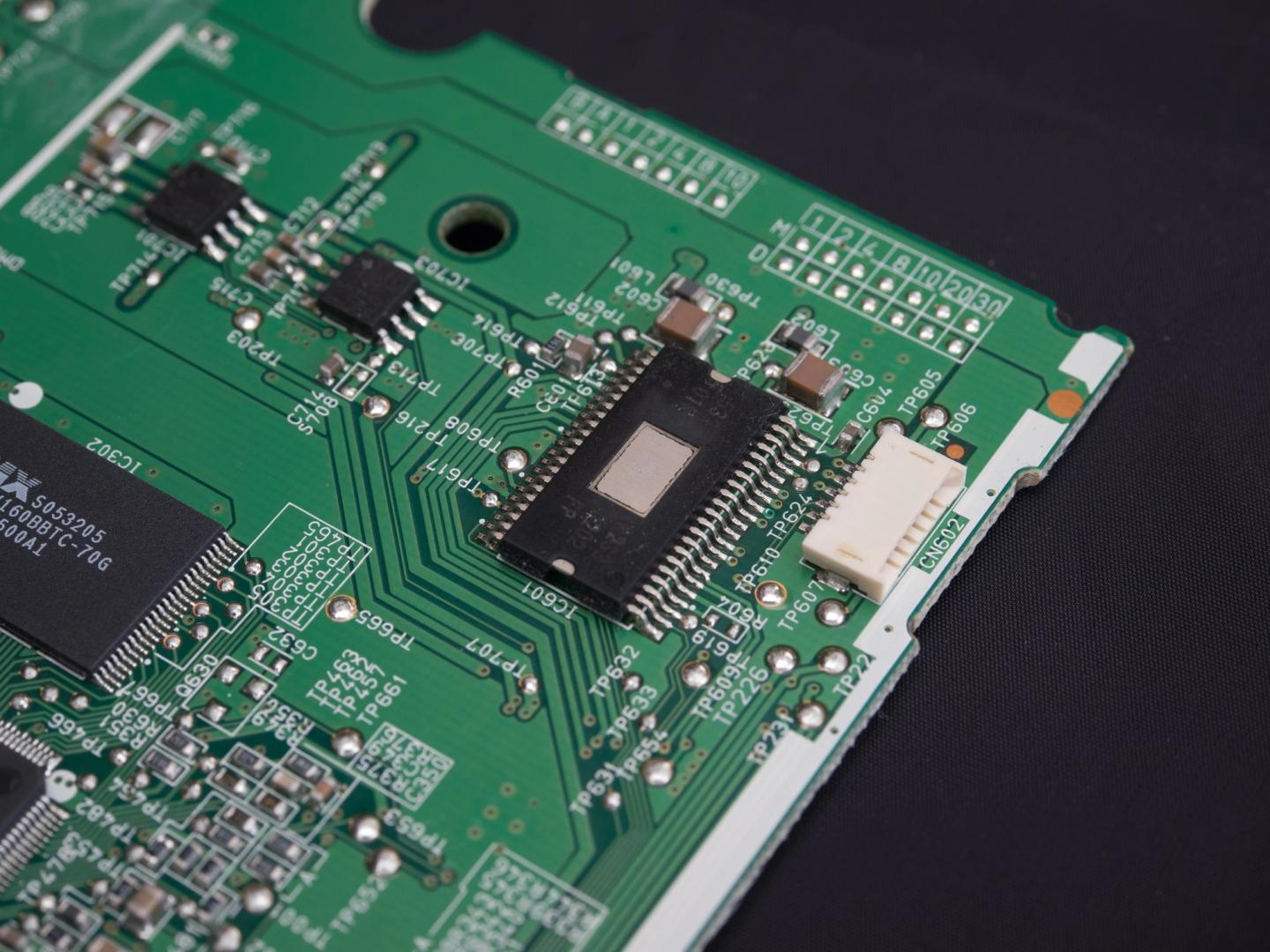
Global cryptocurrency markets experienced a period of relative calm this week, a notable shift following recent volatility. Major digital assets like Ethereum (ETH) and Ripple (XRP) saw their prices remain largely flat. This stabilisation in the crypto sector coincided with a tempering of the recent sell-off in Asian semiconductor stocks.
The semiconductor industry, a critical component of the technology sector, has been a bellwether for broader market sentiment. News of a significant profit surge from Samsung, a global electronics giant, appears to have instilled a degree of confidence in the tech sector. This positive sentiment seems to have had a knock-on effect, contributing to a more stable environment for digital currencies that have often tracked movements in tech stocks.
While the market saw a general flattening, it's important to note that many cryptocurrencies were still down over the course of the week. This indicates that the stability observed was more about halting further declines rather than initiating a widespread recovery. The broader market sentiment, though improving, remains cautious.
One specific digital asset, 'HYPE', was reported to be down 8% over the week. This serves as a reminder that even in periods of relative market calm, individual assets can experience significant price fluctuations based on their unique fundamentals or market dynamics. Investors continue to monitor these nuanced movements closely.
Why it matters for Australian investors
For Australian investors, the global stabilization of major cryptocurrencies like ETH and XRP provides a moment for reflection and recalibration. While the Australian dollar (AUD) price of these assets naturally fluctuates with global movements, a period of reduced volatility can offer clarity. It allows investors to assess their portfolios without the immediate pressure of rapid price swings.
Many Australian crypto investors utilise local exchanges such as CoinSpot, Independent Reserve, Swyftx, and BTC Markets to buy and sell digital assets. The AUD pricing on these platforms directly reflects global market shifts, so a stable international market generally means more predictable AUD values for their holdings. This can be particularly reassuring for those new to the crypto space.
Furthermore, the subdued volatility could offer an opportunity for Australian investors to review their tax obligations. The Australian Taxation Office (ATO) treats cryptocurrencies as property for capital gains tax purposes. Periods of market calm can be ideal for consolidating records, understanding capital gains or losses, and ensuring compliance with ATO guidelines ahead of tax season.
It also highlights the interconnectedness of global markets. While Australia has its own economic drivers, the performance of major international tech companies and broader global market sentiment invariably filters down to local asset prices, including cryptocurrencies. Australian investors are increasingly aware that global events, even those seemingly distant, can influence their digital asset holdings.
Impact on the AUD market
The AUD market for cryptocurrencies directly mirrors global trends, so the flattening of ETH and XRP prices has translated into a period of relative stability for these assets when denominated in Australian dollars. This can reduce some of the immediate speculative pressure that often characterises the crypto market, providing a clearer picture of underlying asset value.
Australian exchanges process transactions in AUD, and their liquidity and trading volumes can be influenced by perceptions of market stability. When global markets are calmer, it can sometimes encourage more measured trading activity rather than panic buying or selling. This can lead to more orderly price discovery in AUD pairs.
Regulators like the Australian Securities and Investments Commission (ASIC) and financial intelligence agency AUSTRAC continually monitor the crypto landscape for market integrity and financial crime. A period of reduced volatility, while not directly related to regulation, provides a more stable environment in which these bodies can observe market behaviour without the added strain of extreme price swings often associated with increased risk.
For Australian investors holding assets like HYPE, the reported 8% weekly decline, even amidst broader market stability, underscores the importance of diversification and due diligence. Not all assets move in lockstep, and individual project risks remain paramount. This highlights the need for Australian investors to thoroughly research specific projects before committing capital, rather than simply following broader market sentiment.
What to watch next
Looking ahead, Australian investors should continue to monitor global market sentiment, particularly developments in the technology sector. The recent stabilization, driven in part by positive news from semiconductor giants, suggests that traditional markets still exert significant influence over cryptocurrency performance. Any further strength or weakness in the tech sector could impact crypto valuations.
Another key area to watch is the broader regulatory landscape, both internationally and within Australia. While the current news is market-driven, upcoming regulatory clarity from bodies like ASIC or AUSTRAC could provide further direction for the local crypto market. Announcements around stablecoin regulation or licensing for digital asset service providers could significantly shape investor confidence and market structure.
Australian investors should also keep an eye on on-chain metrics and fundamental analysis for specific cryptocurrencies. While price action for major assets has been flat, underlying network activity, development progress, and adoption rates can provide early indicators of future trends. This deep dive beyond mere price is crucial for informed decision-making.
The performance of individual altcoins, such as the reported 8% drop in HYPE, warrants continued attention. These smaller-cap assets often exhibit higher volatility and can be more susceptible to unique project-specific news or sentiment shifts. Australian investors should assess their exposure to such assets and maintain a diversified portfolio to mitigate risks in an evolving market.
Coins covered




Common questions
How does the ATO view cryptocurrency in Australia?
The Australian Taxation Office (ATO) treats cryptocurrency as property for capital gains tax (CGT) purposes. This means that gains or losses made from selling, swapping, or gifting cryptocurrency are typically subject to CGT. It's crucial for Australian investors to keep accurate records of all their crypto transactions to ensure compliance and calculate their tax obligations correctly.
Which crypto exchanges are popular in Australia?
Several cryptocurrency exchanges are popular among Australian investors for buying and selling digital assets using Australian dollars (AUD). These include CoinSpot, Independent Reserve, Swyftx, and BTC Markets. These platforms offer various features, including different cryptocurrencies, fee structures, and user interfaces, catering to both new and experienced traders.
Does AUSTRAC regulate cryptocurrency in Australia?
Yes, the Australian Transaction Reports and Analysis Centre (AUSTRAC) plays a significant role in regulating cryptocurrency in Australia. AUSTRAC is Australia's financial intelligence agency and oversees anti-money laundering (AML) and counter-terrorism financing (CTF) compliance for digital currency exchange providers. This ensures that crypto services operating in Australia adhere to strict financial integrity standards.
Australian investors: Explore how flat global crypto markets, driven by tech sector stability, impact AUD prices and regulatory considerations.
About this article: this is an AI-generated summary of reporting by CoinDesk. It has not been reviewed by a human editor. We use AI to localise crypto news for Australian readers, and we link back to the original source so you can verify the facts.
Informational only — not financial advice. Always do your own research. Read our AI & editorial policy →