
Crypto tax bills a work-in-progress as U.S. House lawmakers pose concerns
AI-summarised from reporting by CoinDesk. How we use AI.
What happened
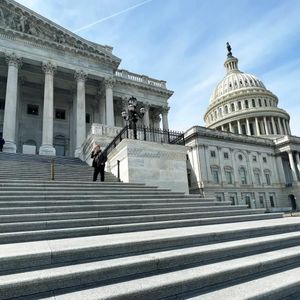
Recent discussions amongst US House lawmakers have brought the intricate world of cryptocurrency taxation back into sharp focus. The current legislative push in the United States aims to clarify how digital assets are treated for tax purposes, with several bipartisan bills under consideration. These bills address various facets of crypto taxation, from how gains are reported to the classification of different types of digital assets.
While the intent is to establish clearer guidelines and ensure fair application of tax laws, some lawmakers have expressed reservations about specific details within the proposed legislation. These concerns highlight the complexity of integrating a novel, rapidly evolving asset class into traditional financial regulatory frameworks. The bipartisan nature of the effort underscores a broad recognition of the need for updated tax guidance in the crypto space.
The ongoing debate in the US reflects a global trend where governments are grappling with how to effectively tax digital currencies. Establishing clear and consistent rules is seen as crucial for both taxpayer compliance and for fostering innovation within the crypto sector. The lack of a unified global approach means countries often develop their own frameworks, leading to potential discrepancies and challenges for international transactions.
Why it matters for Australian investors
The developments in US crypto tax legislation, while primarily focused on American taxpayers, have significant implications for Australian investors. The global interconnectedness of the cryptocurrency market means that regulatory shifts in major economies like the US often set precedents or influence policy discussions elsewhere. Australian investors frequently hold assets on international exchanges or engage with platforms impacted by US regulations.
For Australian investors, understanding the global regulatory landscape is crucial for informed decision-making. While the ATO provides its own guidance on crypto tax, changes in large markets can indicate broader trends in how digital assets are perceived and regulated. For example, if the US moves to tighten reporting requirements for decentralised finance (DeFi) or NFTs, it could prompt similar considerations for AUSTRAC or ASIC in Australia.
Furthermore, many Australian crypto businesses and platforms operate with international partners or listings. US regulatory clarity or ambiguity can affect the overall health and stability of these global markets, indirectly impacting investment opportunities and access for Australians. Monitoring these overseas developments helps Australian investors anticipate potential shifts in market dynamics or domestic regulatory focus.
Impact on the AUD market
While direct impacts of US tax legislation on the AUD crypto market are not immediate, indirect effects can be substantial. A major shift in US tax policy — whether for better or worse – could trigger ripple effects across the global crypto market, including Australian exchanges like CoinSpot, Independent Reserve, Swyftx, and BTC Markets. For instance, increased tax clarity and certainty could encourage more institutional investment globally, potentially boosting overall market liquidity and contributing to price stability for various digital assets, including those priced in AUD.
Conversely, overly burdensome or ambiguous US tax laws could lead to a downturn in sentiment, potentially affecting investment flows across all markets. This could manifest as decreased trading volumes on Australian exchanges or a cautious approach from Australian retail and institutional investors. The AUD price of cryptocurrencies is directly influenced by global market sentiment and trading activity, making international regulatory developments pertinent.
Australian tax legislation for cryptocurrencies is distinct, with the ATO generally treating digital assets as property for Capital Gains Tax (CGT) purposes. However, global trends can influence future policy considerations here. For example, discussions in the US around classifying certain tokens as securities could, over time, lead to similar debates within ASIC's purview, potentially impacting the types of assets offered on Australian platforms and their associated compliance requirements.
What to watch next
Australian investors should continue to monitor the progress of these crypto tax bills in the US House. The specific details that generate concern among lawmakers will be particularly telling, as they could highlight areas of contention that might also arise in future Australian regulatory discussions. Key aspects to watch include definitions of taxable events, reporting requirements for exchanges and decentralised protocols, and the treatment of different types of digital assets.
Beyond the US, it's also important to observe how other major jurisdictions, such as the European Union and the UK, evolve their crypto tax frameworks. A harmonised global approach, while unlikely in the short term, remains an aspiration for many in the industry. As Australia's regulatory bodies like AUSTRAC and ASIC continue to refine their approach to digital assets, they will undoubtedly consider international best practices and regulatory precedents.
For Australian investors, staying informed involves not just understanding ATO guidance but also keeping abreast of global policy shifts. This will enable them to make more strategic decisions, understand potential market volatility, and anticipate any changes in compliance obligations. Engaging with reputable Australian exchanges and staying informed through trusted news sources like CoinPulse AU will be vital in navigating this evolving landscape.
Coins covered


Common questions
How does the ATO currently tax cryptocurrency for Australian investors?
The Australian Taxation Office (ATO) generally treats cryptocurrency as property for Capital Gains Tax (CGT) purposes. This means you'll typically pay CGT when you dispose of your crypto, for example, by selling it for Australian dollars, using it to buy goods/services, or swapping it for another cryptocurrency. Specific rules apply for income tax if you're mining, staking, or running a crypto business.
Will US crypto tax changes directly affect my tax obligations in Australia?
No, US crypto tax changes will not directly alter your tax obligations as an Australian resident. Australia has its own independent tax laws for cryptocurrency, as set by the ATO. However, significant regulatory shifts in the US can indirectly influence the global crypto market and potentially signal future policy directions that Australian regulators might consider over time.
What Australian regulatory bodies oversee cryptocurrency?
In Australia, several bodies have roles in overseeing cryptocurrency. AUSTRAC (Australian Transaction Reports and Analysis Centre) is the financial intelligence agency responsible for anti-money laundering (AML) and counter-terrorism financing (CTF) compliance. ASIC (Australian Securities and Investments Commission) is responsible for consumer protection and market integrity, especially concerning crypto-related financial products or services that fall under existing regulations.
US lawmakers are debating new crypto tax bills. Discover what this means for Australian investors, AUD markets, and what regulatory shifts to watch. Essential
About this article: this is an AI-generated summary of reporting by CoinDesk. It has not been reviewed by a human editor. We use AI to localise crypto news for Australian readers, and we link back to the original source so you can verify the facts.
Informational only — not financial advice. Always do your own research. Read our AI & editorial policy →