
Clarity and Congress's summer break: State of Crypto
AI-summarised from reporting by CoinDesk. How we use AI.
What happened
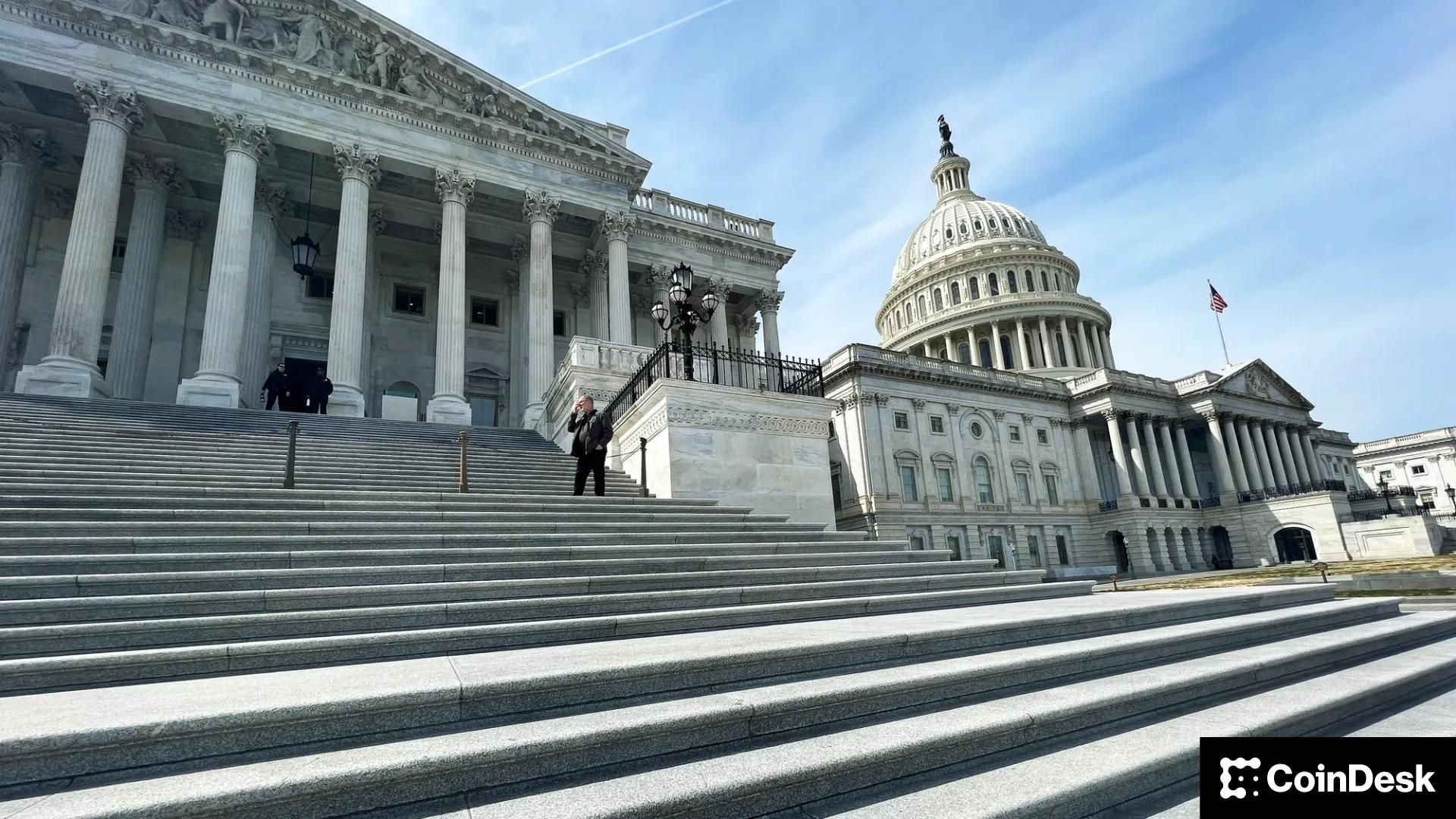
The United States Congress is heading into its summer recess, creating a critical time constraint for the potential passage of significant cryptocurrency legislation, often referred to as 'Clarity.' While there's ongoing optimism among many stakeholders for its enactment, the looming midterm elections further compress the legislative window. The current political calendar suggests that if a comprehensive framework is to be established, substantial progress is required in the immediate short term.
This legislative push isn't just about a single bill; it encompasses various proposals aimed at providing regulatory certainty for digital assets. The lack of a clear, unified approach has been a persistent concern for the global crypto industry. Delays in the US often have ripple effects, potentially influencing how other jurisdictions approach their own digital asset frameworks.
The 'Clarity' initiative broadly seeks to define which digital assets fall under the purview of commodity regulators like the CFTC and which are securities, overseen by the SEC. This distinction is fundamental to how crypto enterprises operate, raise capital, and offer services within the US. The outcome of these discussions will profoundly shape the future of crypto innovation and investment in one of the world's largest economies.
For market participants, the uncertainty itself is a factor. Investment decisions, product launches, and operational strategies are often held in abeyance pending clearer regulatory guidance. The summer break therefore represents a pause in direct legislative action, but it intensifies the pressure on policymakers to consolidate their efforts upon their return if they wish to meet pre-midterm deadlines.
Why it matters for Australian investors
The progress, or lack thereof, regarding cryptocurrency regulation in a major global economy like the United States holds substantial implications for Australian investors. While Australia has its own regulatory bodies like ASIC and AUSTRAC working on digital asset frameworks, global events can influence local sentiment and market dynamics. A clear regulatory environment in the US could set a precedent or at least provide a valuable case study for Australian policymakers, potentially accelerating or refining local approaches.
Uncertainty abroad can lead to broader market volatility, impacting the value of digital assets Australians hold on platforms such as CoinSpot, Independent Reserve, Swyftx, and BTC Markets. Conversely, a definitive framework, even if imperfect, could instil confidence across the global crypto ecosystem, potentially leading to increased institutional adoption and more stable market conditions. This stability can benefit Australian investors by reducing speculative movements and fostering long-term growth.
Furthermore, many Australian crypto projects and investors operate on global platforms or interact with US-based entities. Regulatory clarity, particularly around how tokens are classified, could streamline cross-border operations and reduce compliance burdens. This could lead to a more interconnected and efficient global digital asset market, which would indirectly benefit Australian participants.
The global nature of cryptocurrency means that local markets are rarely insulated from international developments. Australian investors need to remain cognisant of these macro-regulatory trends, as they can influence everything from exchange listings to the availability of certain products and the overall appetite for risk in the digital asset space. The US summer recess period, while seemingly distant, is a critical juncture in this ongoing global regulatory narrative.
Impact on the AUD market
The Australian dollar (AUD) crypto market, while distinct, is not entirely decoupled from larger international trends. Should US legislative efforts falter, continuing a state of regulatory ambiguity, it could contribute to a broader risk-off sentiment in global crypto markets. This sentiment can sometimes prompt investors to de-risk their portfolios, potentially leading to outflows from more speculative assets, including cryptocurrencies.
On the other hand, if a clear and progressive regulatory framework emerges from the US after the recess — even if enacted post-midterms — it could inject renewed confidence into the global market. This confidence could flow into the AUD crypto market, potentially encouraging new capital inflows and stimulating trading activity on Australian exchanges.
The pricing of cryptocurrencies in AUD on platforms like CoinSpot and Swyftx is directly affected by these global market dynamics. While specific AUD-pegged stablecoins or local fiat on-ramps provide some stability, the underlying value of assets like Bitcoin and Ethereum is heavily influenced by international supply and demand, which in turn reacts to regulatory news.
Australian financial institutions and fintech companies engaged in the crypto space also watch these developments closely. Clear US regulation could provide a template or at least a point of comparison for local authorities like ASIC and AUSTRAC as they continue to refine Australia's own digital asset strategy. A more mature global regulatory landscape could also inform the ATO's guidance on crypto tax treatment, ensuring consistency and clarity for Australian taxpayers.
What to watch next
For Australian investors monitoring the US legislative landscape, the immediate focus will be on any statements or preparatory work from US lawmakers during their summer recess. While formal legislative action pauses, behind-the-scenes negotiations and drafting efforts could continue. Pay close attention to any indication of bipartisan consensus forming, as this will be critical for any bill's success.
Upon Congress's return, the legislative calendar before the midterms will be incredibly tight. Investors should watch for announcements regarding committee hearings, markups, or floor votes on any crypto-related bills. Specific attention should be paid to legislation aiming to clarify the jurisdiction of the CFTC versus the SEC over digital assets, as this distinction is fundamental.
Beyond direct legislative developments, observe the pronouncements from key US regulatory bodies, such as the SEC and CFTC. Their ongoing enforcement actions or proposed rules can often provide hints about their evolving stance, even in the absence of new legislation. These actions can sometimes fill the regulatory vacuum left by congressional inaction.
Finally, broader macroeconomic indicators and global geopolitical events will also continue to influence investor sentiment, irrespective of regulatory developments. However, for those keen on understanding the regulatory future of digital assets, the period immediately following the US summer recess will be pivotal in determining whether 'Clarity' can achieve legislative traction before the next major political cycle.
This will ultimately inform the global investment climate and, by extension, the conditions faced by Australian crypto holders and businesses.
Coins covered




Common questions
How does US crypto regulation affect my crypto holdings on Australian exchanges like CoinSpot or Swyftx?
Changes in US crypto regulation can impact global market sentiment, which in turn influences the prices of cryptocurrencies. If the US implements clear, favourable regulations, it could boost global confidence, potentially leading to higher prices for your holdings on Australian exchanges. Conversely, regulatory uncertainty or restrictive policies in the US could lead to market downturns that affect AUD-denominated crypto values.
Will a new US crypto law change how the ATO taxes my crypto in Australia?
The Australian Taxation Office (ATO) has its own clear guidelines for taxing cryptocurrency, independent of US laws. While global regulatory trends can sometimes inform local policy discussions, a new US crypto law would not directly alter Australian tax treatment. Always refer to the latest ATO guidance or consult a tax professional for specific advice on your Australian crypto tax obligations.
What role do ASIC and AUSTRAC play in Australia with regards to these international regulatory discussions?
ASIC (Australian Securities and Investments Commission) and AUSTRAC (Australian Transaction Reports and Analysis Centre) are Australia's key financial regulators. ASIC provides guidance on crypto as financial products, while AUSTRAC focuses on anti-money laundering and counter-terrorism financing. They closely monitor international developments, including those in the US, to inform and refine Australia's own regulatory approach, aiming to strike a balance between innovation and consumer protection within the local market.
US Congress heads for summer recess, delaying crypto regulatory clarity. Discover what this means for Australian investors and the AUD crypto market.
About this article: this is an AI-generated summary of reporting by CoinDesk. It has not been reviewed by a human editor. We use AI to localise crypto news for Australian readers, and we link back to the original source so you can verify the facts.
Informational only — not financial advice. Always do your own research. Read our AI & editorial policy →