
BNY Mellon unit joins MiCA register as ESMA adds 15 providers
AI-summarised from reporting by Cointelegraph. How we use AI.
What happened
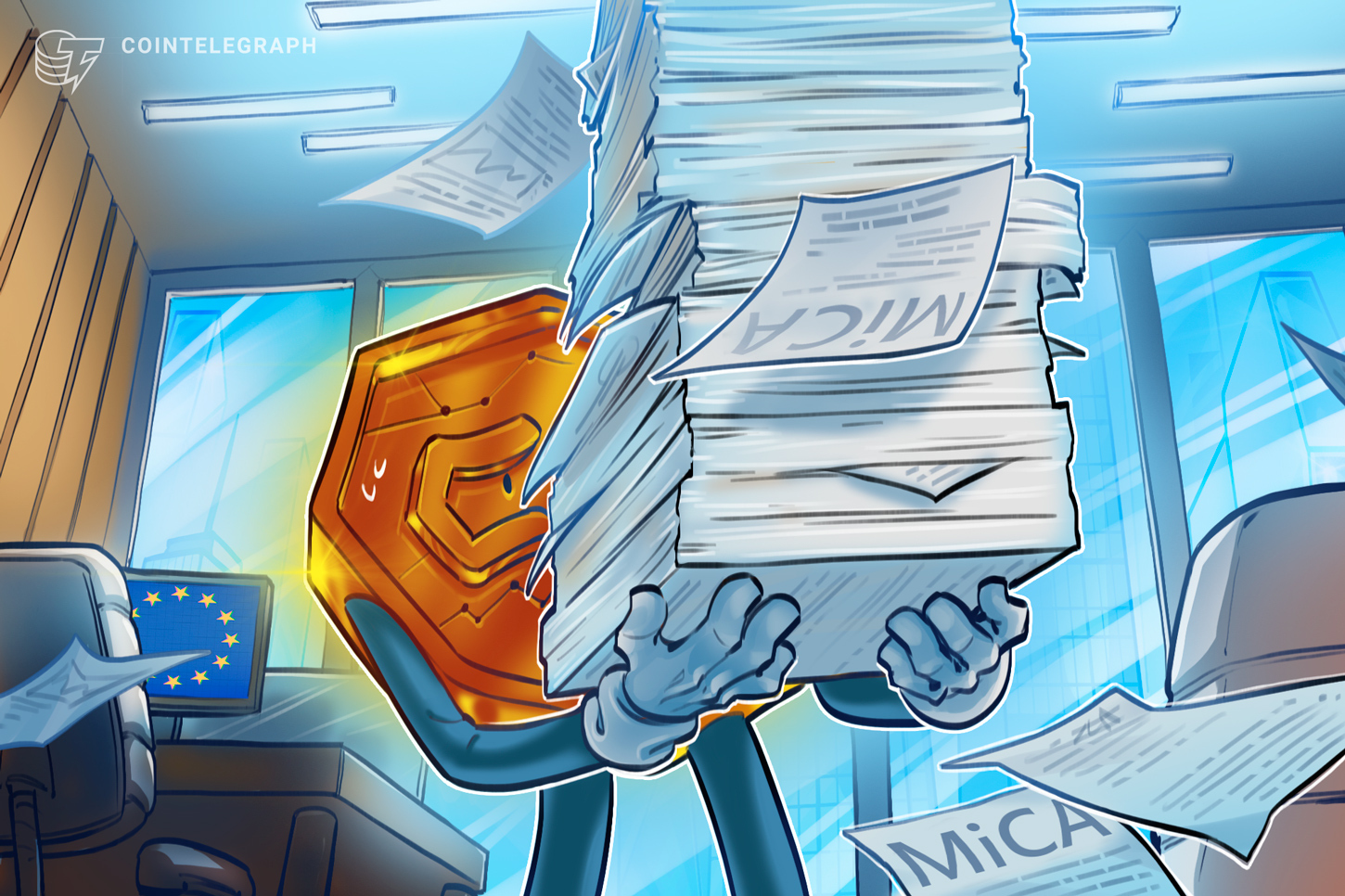
BNY Mellon's European subsidiary has officially joined the register of crypto-asset service providers (CASPs) under the European Union's landmark Markets in Crypto-Assets (MiCA) regulation. This significant development comes as the European Securities and Markets Authority (ESMA) added a further 15 providers to the register, marking the third update since the regulatory framework's first deadlines. The newly listed entities include a mix of traditional financial institutions, such as banks, and dedicated crypto platforms.
MiCA represents a pivotal piece of legislation, designed to establish a comprehensive and harmonised regulatory framework for crypto assets across all 27 EU member states. Its objectives include fostering innovation, ensuring consumer protection, and maintaining financial stability within the burgeoning digital assets sector. For institutions operating in the EU, compliance with MiCA is now a non-negotiable requirement.
The inclusion of a BNY Mellon unit, a global financial services giant, underscores the increasing mainstream adoption and institutionalisation of digital assets. Their move suggests a strategic positioning within the European crypto market, embracing regulatory clarity to offer services. This broader trend of established financial players entering the regulated crypto space is being observed globally.
ESMA’s ongoing registration process highlights the depth and breadth of the European crypto market, with a diverse range of organisations seeking to operate under MiCA's guidelines. These updates provide clarity for investors and market participants alike regarding which entities are operating within the new, regulated perimeter. The phased implementation of MiCA continues to reshape the landscape for crypto activity in the region.
Why it matters for Australian investors
While MiCA is a European regulation, its implications extend far beyond the continent, offering valuable insights and setting precedents for global regulatory approaches, including Australia's. For Australian investors, the actions of a major player like BNY Mellon under a comprehensive framework like MiCA signal a maturing global crypto market. This suggests a future where institutional participation in digital assets is increasingly governed by clear, albeit complex, regulatory standards.
Australia is currently in the process of developing its own regulatory framework for digital assets, with various proposals and consultations underway. The Commonwealth Government has indicated its intention to introduce legislation, and Treasury has been actively developing a licensing and custody framework for crypto-asset secondary service providers (CASSPrs). Observations of MiCA's implementation, and how global financial institutions navigate it, can inform Australian policymakers and regulatory bodies like ASIC and AUSTRAC.
The clear distinction between regulated and unregulated entities, as provided by MiCA's register, could eventually mirror an approach in Australia. This would offer Australian investors greater certainty when choosing platforms for trading and holding crypto assets. Reputable Australian exchanges such as CoinSpot, Independent Reserve, Swyftx, and BTC Markets would likely welcome a clear regulatory environment, as it fosters trust and reduces market ambiguity.
Moreover, the MiCA framework explicitly addresses consumer protection, market integrity, and preventing market manipulation – principles that are paramount for any developed financial market. As the Australian digital asset landscape evolves, similar protections would be beneficial for local investors. Understanding these global trends helps Australian investors anticipate how their local market might develop and what standards they can expect from service providers.
Impact on the AUD market
The direct impact of BNY Mellon's MiCA registration on the Australian dollar (AUD) denominated crypto market is indirect but significant in setting precedent. The move contributes to the overall normalisation and professionalisation of the global crypto industry. For Australian investors, this means that as more large, traditional financial institutions engage with regulated crypto assets, the general perception of their stability and legitimacy is enhanced. This can, in turn, encourage greater participation in the AUD crypto market.
Increased institutional involvement globally, driven by regulatory clarity, often leads to higher liquidity and more robust market infrastructure. While the AUD crypto market is distinct, it benefits from these global improvements. For instance, enhanced custody solutions and clear operating guidelines developed under frameworks like MiCA could eventually influence best practices employed by Australian exchanges and service providers handling AUD-denominated crypto assets.
Harmonised international standards, even if not directly binding in Australia, can establish benchmarks for transparency and risk management. This could lead to a more mature and resilient AUD crypto market, appealing to a wider investor base, both retail and institutional. The ATO's stance on crypto-asset taxation, for example, would continue to apply regardless, but a more formalised industry could simplify compliance for many.
Ultimately, the strengthening of regulatory frameworks overseas provides a blueprint for what a robust Australian crypto market could look like. This can foster confidence, potentially attracting more capital into the AUD crypto ecosystem and contributing to its long-term growth. The trend suggests a future where crypto assets are increasingly integrated into the broader financial system, locally and globally.
What to watch next
The ongoing implementation of MiCA in the EU will provide a continuous stream of insights into how comprehensive crypto regulation is rolled out and enforced. Australian investors should monitor how ESMA continues to expand its MiCA register, observing the types of entities and services that gain approval. This will offer clues about the global direction of travel for crypto regulation and institutional engagement.
Domestically, the key focus for Australian investors will be the progression of the Australian government's proposed digital asset legislation. Keep an eye on announcements from Treasury, ASIC, and AUSTRAC regarding licensing frameworks for crypto-asset service providers. The details of these proposals, including definitions of crypto assets and specific regulatory requirements, will be crucial.
Furthermore, observe how major Australian financial institutions and existing crypto exchanges respond to these domestic regulatory developments. Any moves by Australian banks or large investment firms to offer regulated crypto services, mirroring BNY Mellon's actions in the EU, would be a strong indicator of a maturing local market. This could significantly impact the accessibility and adoption of crypto assets within Australia.
Finally, the international dialogue around crypto regulation will remain important. As various jurisdictions implement their own frameworks, opportunities for international cooperation and standardisation may arise. For Australian investors, understanding these global shifts is vital for navigating the evolving landscape of digital assets and making informed investment decisions. The journey towards a fully regulated global crypto market is dynamic and multifaceted.
Coins covered

Common questions
How does MiCA affect Australian crypto exchanges?
MiCA directly affects crypto exchanges operating within the EU. While not directly binding for Australian exchanges like CoinSpot or Swyftx, it sets an international precedent for comprehensive crypto regulation. Australian exchanges may observe MiCA's implementation to anticipate future local regulatory requirements from ASIC and AUSTRAC, informing their own compliance and operational strategies.
Will global crypto regulations change how the ATO taxes my crypto?
Global crypto regulations, including MiCA, do not directly alter the Australian Taxation Office's (ATO) current tax treatment of crypto assets. The ATO has established guidelines for how crypto is taxed in Australia (e.g., as property for capital gains tax). However, a more regulated global market, potentially leading to clearer transaction records and reporting standards, could indirectly make it easier for investors and the ATO to track and assess tax liabilities.
What should Australian investors look for in compliant local crypto services?
Australian investors should prioritise platforms that actively engage with local regulatory discussions and demonstrate robust security and compliance practices. Look for services that are transparent about their operations, have clear terms of service, and potentially hold licenses relevant to their services (even if a comprehensive crypto licensing regime is still developing). Monitoring announcements from ASIC and AUSTRAC will provide up-to-date information on what constitutes a reputable and compliant service provider in Australia.
BNY Mellon's MiCA registration signals a maturing global crypto market. Discover what this means for Australian investors, the AUD market, and upcoming local
About this article: this is an AI-generated summary of reporting by Cointelegraph. It has not been reviewed by a human editor. We use AI to localise crypto news for Australian readers, and we link back to the original source so you can verify the facts.
Informational only — not financial advice. Always do your own research. Read our AI & editorial policy →