
As BitMEX exits, analysts warn crypto consolidation is accelerating
AI-summarised from reporting by Cointelegraph. How we use AI.
What happened
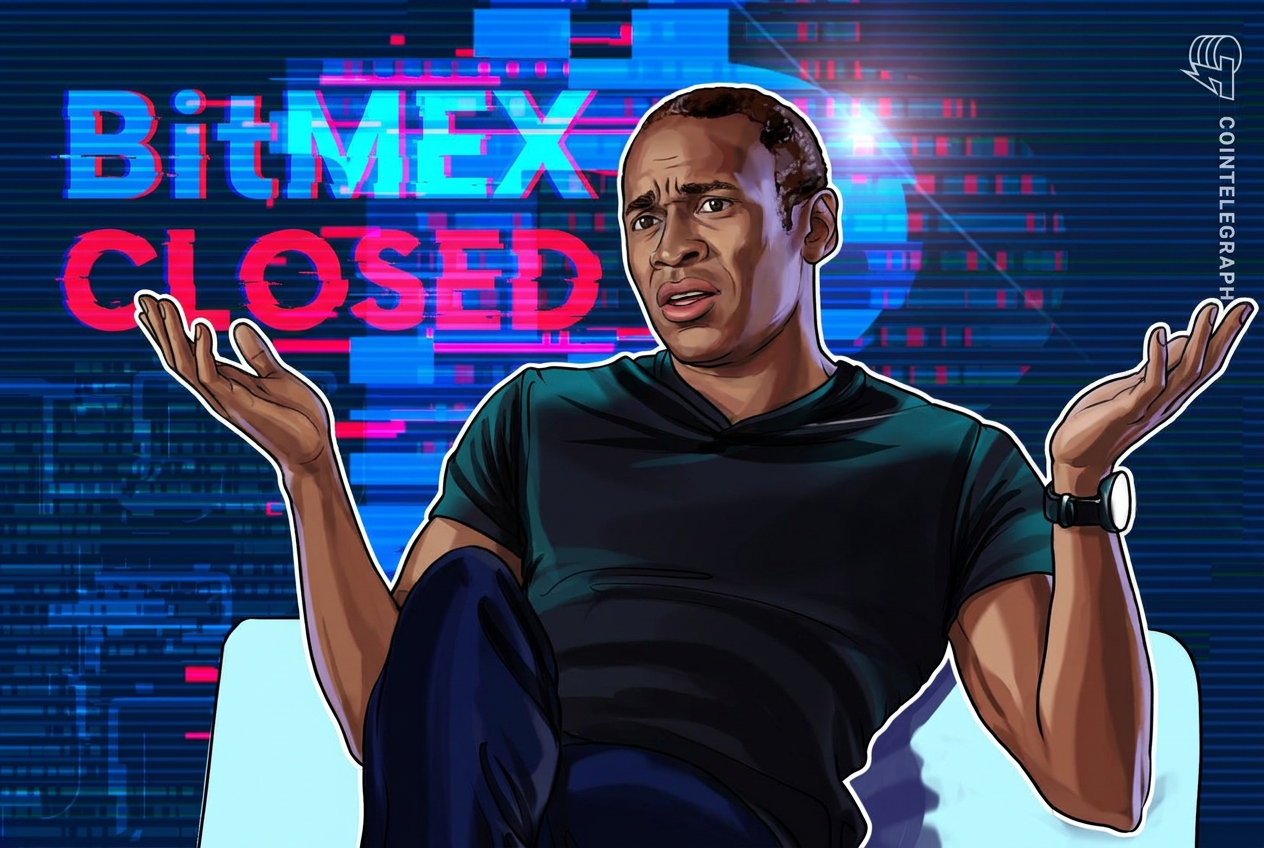
The recent cessation of BitMEX's derivatives trading operations marks a significant moment in the cryptocurrency landscape. BitMEX, once a prominent player in the crypto derivatives space, has wound down its services. This development is being interpreted by industry analysts as a clear signal of accelerating consolidation within the wider crypto market.
Analysts are pointing to several key factors contributing to this trend. Increasing regulatory scrutiny and the associated compliance costs are making it increasingly challenging for some platforms to operate. Furthermore, a growing concentration of market share among larger, often more established players, is evident. The industry's general shift towards licensed trading venues also plays a crucial role.
This move by BitMEX aligns with a broader pattern observed across the global crypto ecosystem. As regulatory frameworks mature and legitimate pathways for crypto investment become more defined, platforms that cannot adapt or meet these evolving standards may find their operational models unsustainable.
BitMEX was one of the earliest exchanges to offer crypto derivatives, allowing traders to speculate on the future price of cryptocurrencies without owning the underlying assets. Its exit underscores the changing dynamics of an industry that is rapidly evolving from its earlier, less regulated days.
Why it matters for Australian investors
For Australian investors, the consolidation trend highlighted by the BitMEX exit carries several implications. A more concentrated market could mean fewer choices for certain types of crypto products, particularly derivatives. However, it also suggests a maturing industry, which can bring increased confidence and stability.
Australian investors predominantly use local exchanges like CoinSpot, Independent Reserve, Swyftx, and BTC Markets for spot trading. While these platforms have traditionally focused on straightforward buying and selling of cryptocurrencies, the global derivatives market still influences overall sentiment and liquidity. The shift towards regulated platforms globally could indirectly strengthen the position of compliant Australian exchanges.
Increased regulatory emphasis globally could also lead to similar pressures on local operators. While Australian exchanges are already subject to AUSTRAC's AML/CTF regulations, and ASIC oversees certain crypto-related financial products, the global trend might prompt further domestic examination of risk and consumer protection.
The winding down of a prominent international player like BitMEX serves as a reminder that not all crypto platforms offer the same level of longevity or regulatory adherence. Australian investors should always conduct thorough due diligence, prioritising platforms with robust compliance frameworks and a strong track record, such as those registered with AUSTRAC.
Impact on the AUD market
The direct impact of BitMEX's operational changes on the Australian Dollar (AUD) crypto market is likely to be indirect rather than immediate. Australian investors who typically trade on AUD-denominated platforms won't experience direct service disruptions. However, the broader trend of market consolidation and increased regulation has implications for the overall health and perception of the crypto industry.
Should this consolidation lead to a more stable and less volatile global market, it could attract a wider range of institutional and retail investors, potentially boosting overall crypto adoption in Australia. Conversely, reduced competition in certain product categories might limit innovation or pricing advantages that Australian traders could indirectly benefit from through global arbitrage.
Australian exchanges offering AUD pairings will continue to be the primary gateway for local investors. The strengthening of regulatory environments internationally might make Australian platforms, already operating under AUSTRAC's purview, appear even more attractive simply by comparison to less regulated foreign entities.
The global trend towards licensed trading venues also aligns with ASIC's cautious approach to complex financial products. While ASIC has been proactive in warning against unregulated offerings, a global movement towards greater oversight could eventually make it easier to introduce regulated crypto derivatives products into the Australian market, provided they meet stringent consumer protection standards.
What to watch next
Moving forward, Australian investors should closely monitor how global regulatory bodies continue to shape the crypto landscape. The actions of major international regulators often foreshadow similar discussions or implementations within Australia, influencing how ASIC and AUSTRAC approach new products and services.
Keep an eye on the competitive landscape of crypto exchanges. While consolidation is occurring, innovation continues. New entrants and existing players will seek to differentiate themselves through new offerings, enhanced security, or superior user experience. Australian exchanges will need to adapt to these global trends to remain competitive.
Furthermore, the evolution of decentralised finance (DeFi) will be crucial. As centralised entities consolidate, the appeal of decentralised alternatives might grow, offering different avenues for crypto engagement. However, DeFi platforms also present their own unique regulatory and security challenges that Australian authorities are likely to consider.
Ultimately, the BitMEX situation underscores an ongoing narrative: the crypto market is growing up. While this may mean fewer wild west opportunities, it also promises a more robust, secure, and potentially investor-friendly environment. Australian investors should focus on transparency, regulatory compliance, and robust security when making their investment decisions.
Coins covered

Common questions
What does market consolidation in crypto mean for my AUD-denominated investments?
Market consolidation generally means that fewer but larger players dominate the industry. For AUD-denominated investments, this could lead to increased stability and potentially better liquidity on major Australian exchanges like CoinSpot or Independent Reserve, as capital might flow to more established, compliant platforms. However, it could also mean fewer specialised product offerings or less competitive fees in certain niche areas.
How does the winding down of international exchanges like BitMEX affect AUSTRAC's role in Australia?
The winding down of international platforms due to regulatory pressures reinforces AUSTRAC's importance. AUSTRAC already mandates that Australian Digital Currency Exchanges (DCEs) comply with Anti-Money Laundering and Counter-Terrorism Financing (AML/CTF) laws. Global trends towards stricter regulation highlight the value of operating within a regulated framework, implicitly strengthening AUSTRAC's position and the compliance of local platforms.
Will ASIC start regulating crypto derivatives in Australia because of global market changes?
ASIC already has an oversight role where crypto products fall under existing financial services laws, particularly if they are considered financial products. The global trend towards regulating crypto derivatives, as seen with the BitMEX situation, could certainly inform ASIC's future policy considerations. While ASIC has historically taken a cautious approach, increased clarity and regulation internationally might provide a framework for future local developments, always prioritising investor protection.
BitMEX's exit signals major crypto market consolidation. Discover what this means for Australian investors, AUD markets, and what's next for regulations.
About this article: this is an AI-generated summary of reporting by Cointelegraph. It has not been reviewed by a human editor. We use AI to localise crypto news for Australian readers, and we link back to the original source so you can verify the facts.
Informational only — not financial advice. Always do your own research. Read our AI & editorial policy →