
Bitcoin price gains nearly 10% in July, but traders still see BTC copying 2022 bear market
AI-summarised from reporting by Cointelegraph. How we use AI.
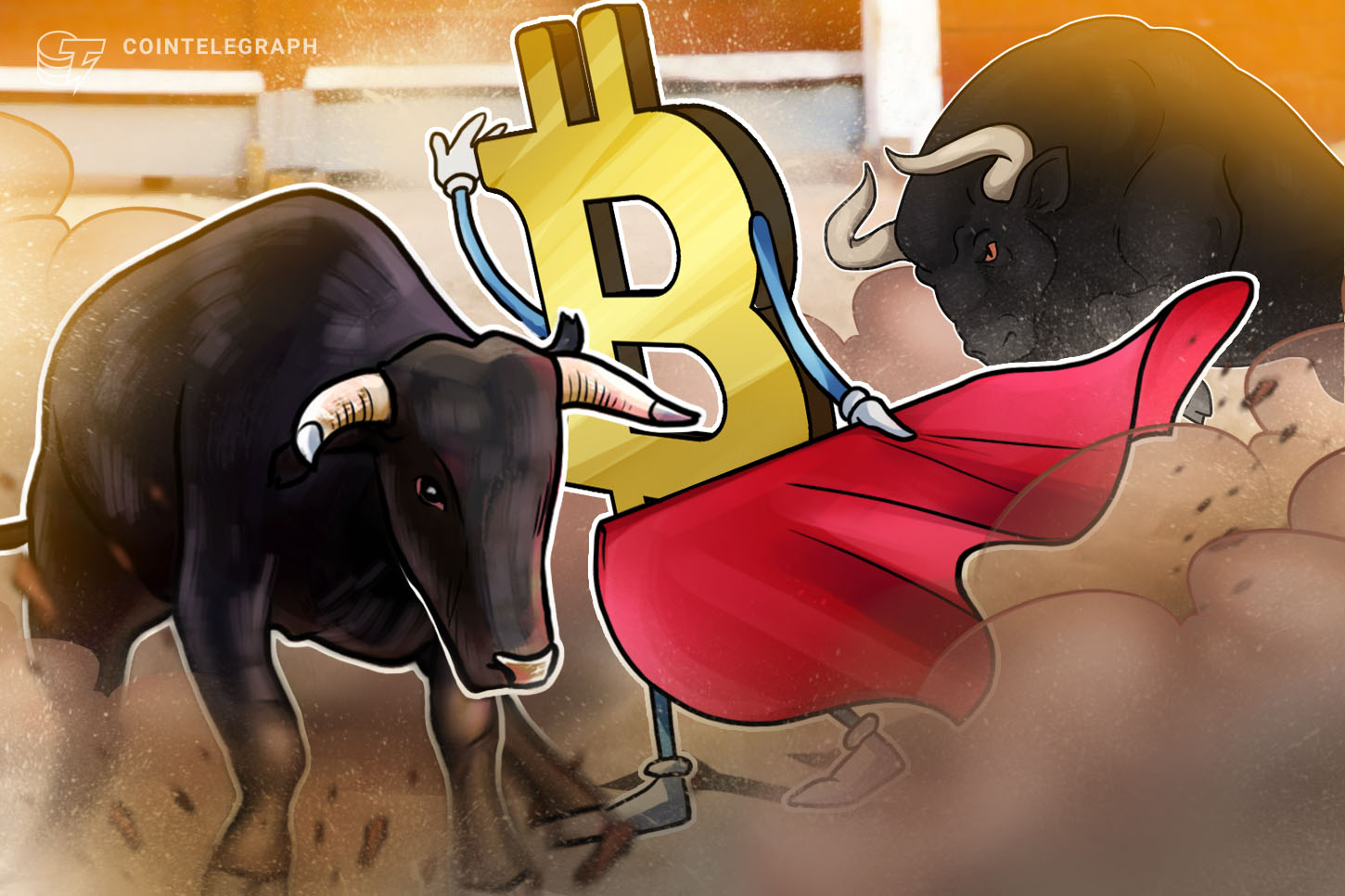
What happened
Bitcoin demonstrated a notable price recovery through the first half of July, showing gains approaching 10%. This upward movement sparked optimism among some market participants, hinting at a potential shift in momentum after a period of sustained downward pressure. The bounce was a welcome change for investors who have been navigating a challenging market environment for an extended period.
However, despite this brief rally, a significant undercurrent of caution persisted within the analyst community. Many market observers sounded a warning, suggesting that the July gains might be a temporary reprieve rather than a definitive reversal. The prevailing consensus among these analysts pointed towards a high probability of Bitcoin's price trajectory mirroring the patterns observed during the 2022 bear market, particularly from August onwards.
This sentiment implies that the broader macroeconomic factors and inherent market dynamics that contributed to the 2022 downturn are still very much at play. Analysts are scrutinising on-chain data, global economic indicators, and historical price action to form their projections. The cautious outlook underlines the volatile and unpredictable nature of the cryptocurrency market, even when short-term gains are observed.
Why it matters for Australian investors
For Australian investors, Bitcoin's performance, even short-term rallies like July's, remains a critical indicator of broader sentiment within the digital asset space. While the AUD value of Bitcoin constantly fluctuates based on the BTC/USD rate and the AUD/USD exchange rate, a global price increase generally translates to higher AUD figures on Australian exchanges. Platforms like CoinSpot, Independent Reserve, Swyftx, and BTC Markets would have reflected these gains, albeit with their own liquidity and pricing variations.
However, the subsequent warnings of a potential return to 2022 bear market conditions are particularly pertinent. Australian investors, like their global counterparts, have experienced the significant drawdowns of previous cycles. Understanding the potential for a sustained downturn helps in managing expectations and reassessing portfolio allocations in light of current market sentiment and expert analysis.
The Australian Taxation Office (ATO) treats cryptocurrency as property for capital gains tax (CGT) purposes. Any gains realised during a short-term rally, if an investor chose to sell, would be subject to CGT. Conversely, sustained bear market conditions can lead to capital losses, which can potentially be used to offset future capital gains, subject to ATO rules. Therefore, understanding market direction is crucial for tax planning.
Furthermore, the volatility inherent in such market shifts underscores the need for robust risk management strategies for Australian investors. AUSTRAC, the Australian financial intelligence agency, plays a key role in regulating digital currency exchanges to prevent financial crime, providing a layer of oversight that aims to foster a more secure trading environment. However, market price fluctuations are external to regulatory measures concerning financial crime.
Impact on the AUD market
The Australian dollar (AUD) market for cryptocurrencies is directly influenced by Bitcoin's global price movements. When Bitcoin sees a nearly 10% gain as it did in early July, Australian investors holding BTC experience a similar percentage increase in their AUD-denominated holdings. This often leads to increased trading activity on local exchanges as investors react to price changes, either taking profits or buying into perceived upward trends.
Conversely, the prospect of Bitcoin 'copying' the 2022 bear market from August onwards casts a shadow over the AUD crypto market. A sustained downturn would inevitably lead to depreciated AUD values for Bitcoin and other digital assets. This impacts not only the portfolios of individual investors but also the trading volumes and sentiment across Australian platforms.
Such a scenario might lead to a more cautious approach from new entrants and a re-evaluation of exposure by existing holders. While the AUD market operates within a global framework, local sentiment and investor behaviour would reflect these broader trends. The accessibility of AUD on major Australian exchanges ensures that these global price shifts have immediate and tangible effects for local participants.
It’s important for Australian investors to remember that while their capital is denominated in AUD, the underlying asset’s value is driven by global supply and demand. Therefore, understanding the broader international analysis, such as the warnings of a returning bear market, is paramount for making informed decisions within the AUD crypto ecosystem.
What to watch next
Moving forward, analysts will be closely monitoring several key indicators to ascertain whether Bitcoin is indeed entering a prolonged bear market phase mirroring 2022. On-chain metrics, such as network activity, transaction volumes, and long-term holder behaviour, will provide critical insights into underlying market strength or weakness. A significant drop in these metrics could signal waning investor confidence.
Macroeconomic developments will also play an outsized role. Global inflation rates, interest rate decisions by central banks (including the Reserve Bank of Australia), and geopolitical events can all influence investor appetite for risk assets like Bitcoin. A continued tightening of monetary policy or exacerbation of global economic concerns could further dampen sentiment.
Price action around key support and resistance levels will be paramount. Traders will be looking for Bitcoin's ability to hold certain price floors or struggle to overcome overhead resistance as signs of market direction. A failure to maintain recent gains and a decisive break below established support could confirm the bearish outlook.
Finally, the broader regulatory landscape, both globally and locally, will continue to be a factor. While ASIC consistently monitors misleading promotions and unregistered financial products, clear regulatory frameworks could instil confidence. However, any unexpected harsh regulatory crackdowns or uncertainty could add to market jitters, potentially pushing prices lower.
Coins covered


Common questions
How does Bitcoin's price movement affect my Australian crypto portfolio?
Bitcoin's price is generally the leading indicator for the broader crypto market. When Bitcoin experiences significant gains or losses, it often influences the AUD value of other cryptocurrencies in your portfolio. Australian exchanges like CoinSpot and Swyftx reflect these global price changes in AUD, impacting your portfolio's overall value.
What Australian tax implications should I consider if Bitcoin enters a bear market?
If Bitcoin enters a bear market and the value of your holdings decreases, you might incur capital losses if you sell. The ATO treats cryptocurrency as property for CGT purposes, meaning capital losses can potentially be used to offset capital gains in the same financial year or carried forward to offset future gains. It's advisable to keep meticulous records for tax purposes.
Are Australian crypto exchanges safe during volatile market conditions?
Australian crypto exchanges are subject to AUSTRAC regulations aimed at preventing money laundering and terrorism financing. While these regulations contribute to a more secure operating environment, they do not mitigate market volatility or guarantee against price fluctuations. Users should always practice good security habits, like using strong passwords and 2FA, regardless of market conditions.
Bitcoin saw a 10% July price gain, but analysts warn of a 2022 bear market redux. CoinPulse AU explores what this means for Australian investors.
About this article: this is an AI-generated summary of reporting by Cointelegraph. It has not been reviewed by a human editor. We use AI to localise crypto news for Australian readers, and we link back to the original source so you can verify the facts.
Informational only — not financial advice. Always do your own research. Read our AI & editorial policy →