
Bitcoin nears $65,000 as cooling U.S. inflation guts the Fed rate-hike trade
AI-summarised from reporting by CoinDesk. How we use AI.
What happened
Bitcoin has been making headlines, edging closer to the US$65,000 mark. This recent surge is largely attributed to a cooling US inflation report. The June Consumer Price Index (CPI) data, released in the United States, indicated a significant slowdown in inflation, surprising many market analysts. This unexpected development has had a ripple effect across global financial markets, including the cryptocurrency sector.
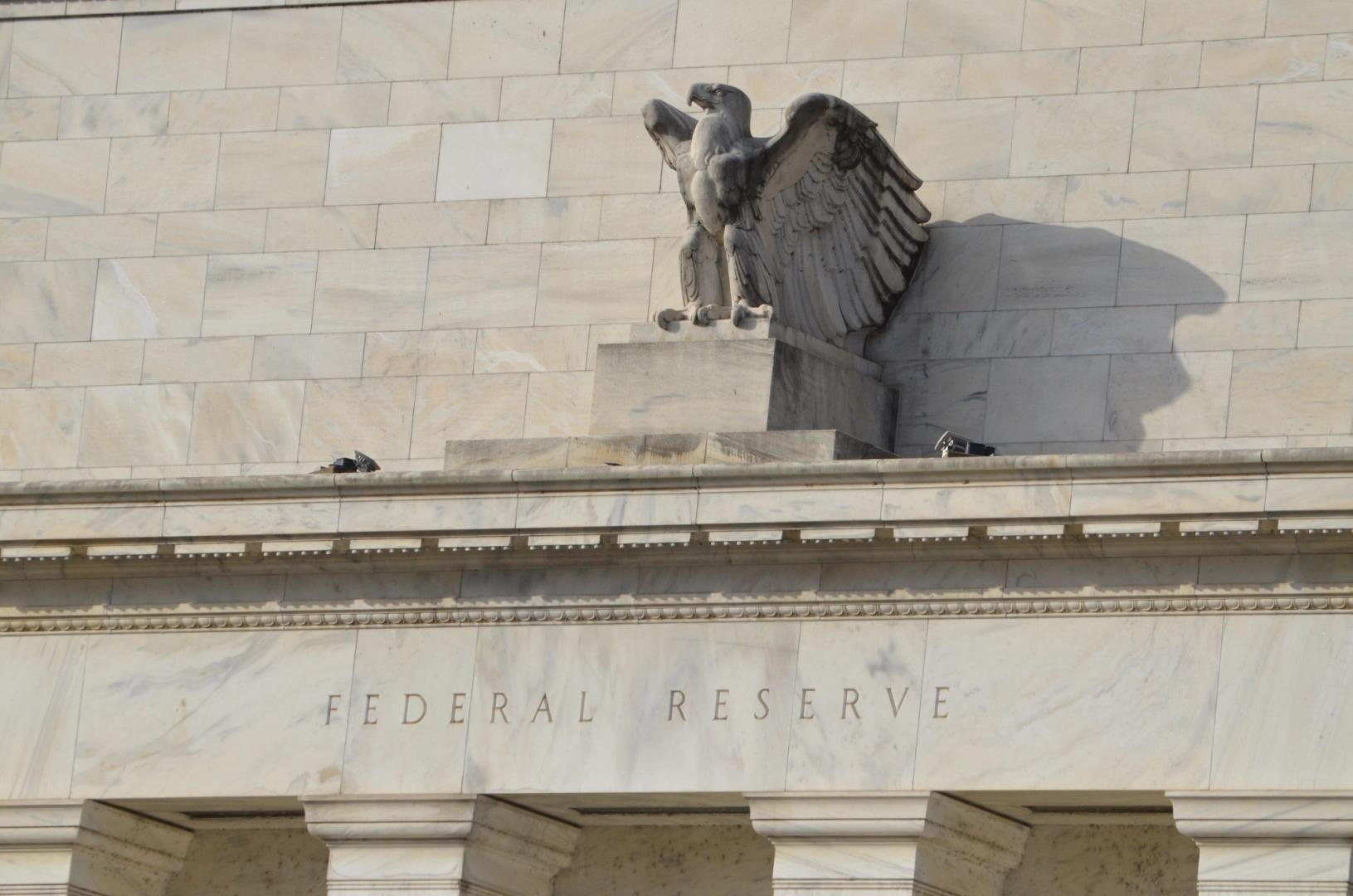
The released CPI figures drastically altered market expectations regarding the US Federal Reserve's monetary policy. Prior to the report, the probability of a rate hike in the near future stood at approximately 43%. Following the CPI announcement, these odds plummeted to a mere 13%. This suggests that market participants now overwhelmingly believe the Fed is less likely to raise interest rates in the immediate term.
This shift in sentiment has fundamentally altered the 'rate-hike trade', a strategy where investors position themselves to benefit from rising interest rates. With the prospect of further hikes diminishing, assets that typically perform well in a low-interest-rate environment, such as cryptocurrencies, have become more attractive. Analysts are now keenly observing the upcoming September Federal Open Market Committee (FOMC) meeting for further guidance on the Fed's stance and future positioning.
The market's reaction to the cooling inflation signals a broader risk-on appetite. Investors are seemingly more willing to move into higher-growth, potentially more volatile assets as the fear of aggressive monetary tightening subsides. This macroeconomic shift has evidently provided a tailwind for Bitcoin, re-energising its price action and drawing renewed attention from global investors.
Why it matters for Australian investors
While the primary drivers are US-centric, the global interconnectedness of financial markets means that Australian investors are not immune to these shifts. A strong Bitcoin performance, influenced by macro-economic data, often translates to increased sentiment and activity in Australian dollar (AUD) denominated crypto markets. Australian investors holding Bitcoin or other cryptocurrencies will naturally see their portfolio values impacted by these international price movements.
Furthermore, the narrative around interest rates and inflation in major economies like the US influences global capital flows. If global investors anticipate a more dovish stance from central banks, it can encourage broader investment into risk assets. This can lead to increased liquidity and trading activity on Australian crypto exchanges such as CoinSpot, Independent Reserve, Swyftx, and BTC Markets.
For Australian investors contemplating entering or expanding their crypto holdings, these global macroeconomic factors are crucial considerations. Understanding the underlying reasons for Bitcoin's movements beyond just technical analysis provides a more comprehensive view of potential opportunities and risks. It helps in formulating more robust investment strategies.
The broader perception of inflation and central bank policy also indirectly affects the Australian dollar. A weaker US dollar, resulting from reduced rate hike expectations, can sometimes strengthen the AUD, impacting the AUD-denominated value of US dollar-priced assets like Bitcoin. Australian investors need to consider these forex implications when assessing their digital asset portfolios.
Impact on the AUD market
The recent rally in Bitcoin, driven by US inflation data, has a discernible impact on the AUD crypto market. As Bitcoin's US dollar price climbs, its equivalent value on Australian exchanges, when converted to AUD, also increases. This can stimulate increased buying interest from Australian retail and institutional investors, who often look at the AUD performance of their assets.
Australian exchanges swiftly reflect global price movements. While these platforms do not directly influence Bitcoin's global price, they serve as crucial gateways for Australians to access the asset. Higher trading volumes and sustained price appreciation on the international stage can lead to increased liquidity and more active markets within Australia, benefiting participants on platforms regulated by AUSTRAC.
For investors selling crypto for AUD, a higher Bitcoin price means a larger AUD return. Conversely, those buying Bitcoin will find themselves paying more AUD per unit. This dynamic directly impacts portfolio management and investment decisions for Australian residents, who must also contend with the ATO's guidance on the taxation of cryptocurrency as property.
Moreover, the global macroeconomic environment can influence the perception of Bitcoin as a hedge or an alternative asset class. If traditional markets, swayed by central bank decisions, show signs of volatility or uncertainty, some Australian investors might increasingly turn to cryptocurrencies. This could further deepen the AUD crypto market and attract new participants seeking diversification.
What to watch next
The most immediate focus for global financial markets, and by extension, Australian investors, will be the upcoming September FOMC meeting. The statements and forward guidance from the US Federal Reserve will be critical in shaping market expectations for interest rates and future monetary policy. Any hints of a continued dovish stance could provide further impetus for risk assets like Bitcoin.
Beyond the FOMC, ongoing inflation data from the US will remain highly influential. Consistent cooling of inflation could solidify the belief that the Fed's tightening cycle is nearing its end, which would generally be seen as positive for cryptocurrencies. Conversely, any rebound in inflation figures could quickly reverse market sentiment and put pressure on Bitcoin's price.
Australian investors should also keep an eye on local economic indicators and the Reserve Bank of Australia's (RBA) policy decisions. While the RBA's actions are independent, global trends and a strong US dollar can indirectly influence Australian monetary policy and the AUD's strength. How the AUD performs against the USD will directly affect the AUD value of crypto holdings.
Finally, monitoring trading volumes and sentiment on major Australian crypto exchanges will offer insights into local market activity. Increased participation and strong buying pressure on platforms like Swyftx and BTC Markets could indicate a robust local appetite for digital assets, even as global narratives unfold. Staying informed from reliable sources is key for navigating this evolving landscape.
Coins covered


Common questions
How does US inflation data affect Bitcoin's price in AUD?
US inflation data influences the US Federal Reserve's monetary policy decisions, which in turn impact global capital flows and the US dollar's strength. When Bitcoin's US dollar price rises due to these factors, its equivalent value on Australian exchanges, when converted to AUD, also increases. This creates a direct correlation for Australian investors.
Are there specific Australian crypto exchanges benefiting from this trend?
While no specific exchange *benefits* more than others in a unique way from a global price rise, all major Australian exchanges like CoinSpot, Independent Reserve, Swyftx, and BTC Markets will experience increased trading activity and potentially higher liquidity as Australian investors respond to rising Bitcoin prices. These platforms facilitate the buying and selling of crypto in AUD.
What are the tax implications for Australian investors if Bitcoin's price rises?
In Australia, the ATO generally treats cryptocurrency as property for tax purposes. If Bitcoin's price rises and an Australian investor sells or disposes of their holdings, they may incur capital gains tax on any profit made. It’s crucial for investors to keep accurate records and understand their tax obligations as outlined by the ATO.
Discover how cooling US inflation is driving Bitcoin's surge towards US$65,000 and its implications for Australian crypto investors and the AUD market.
About this article: this is an AI-generated summary of reporting by CoinDesk. It has not been reviewed by a human editor. We use AI to localise crypto news for Australian readers, and we link back to the original source so you can verify the facts.
Informational only — not financial advice. Always do your own research. Read our AI & editorial policy →