
10 weirdest things ever tokenized... including farts
AI-summarised from reporting by Cointelegraph. How we use AI.
What happened
Blockchain technology, initially known for its association with cryptocurrencies like Bitcoin, has transcended its origins to become a foundational layer for a myriad of digital assets. This process, known as tokenisation, involves representing real-world or digital assets as unique, verifiable tokens on a blockchain. While its application in financial instruments, real estate, and digital art (NFTs) is widely understood, the concept has also been applied to an array of truly unconventional items.
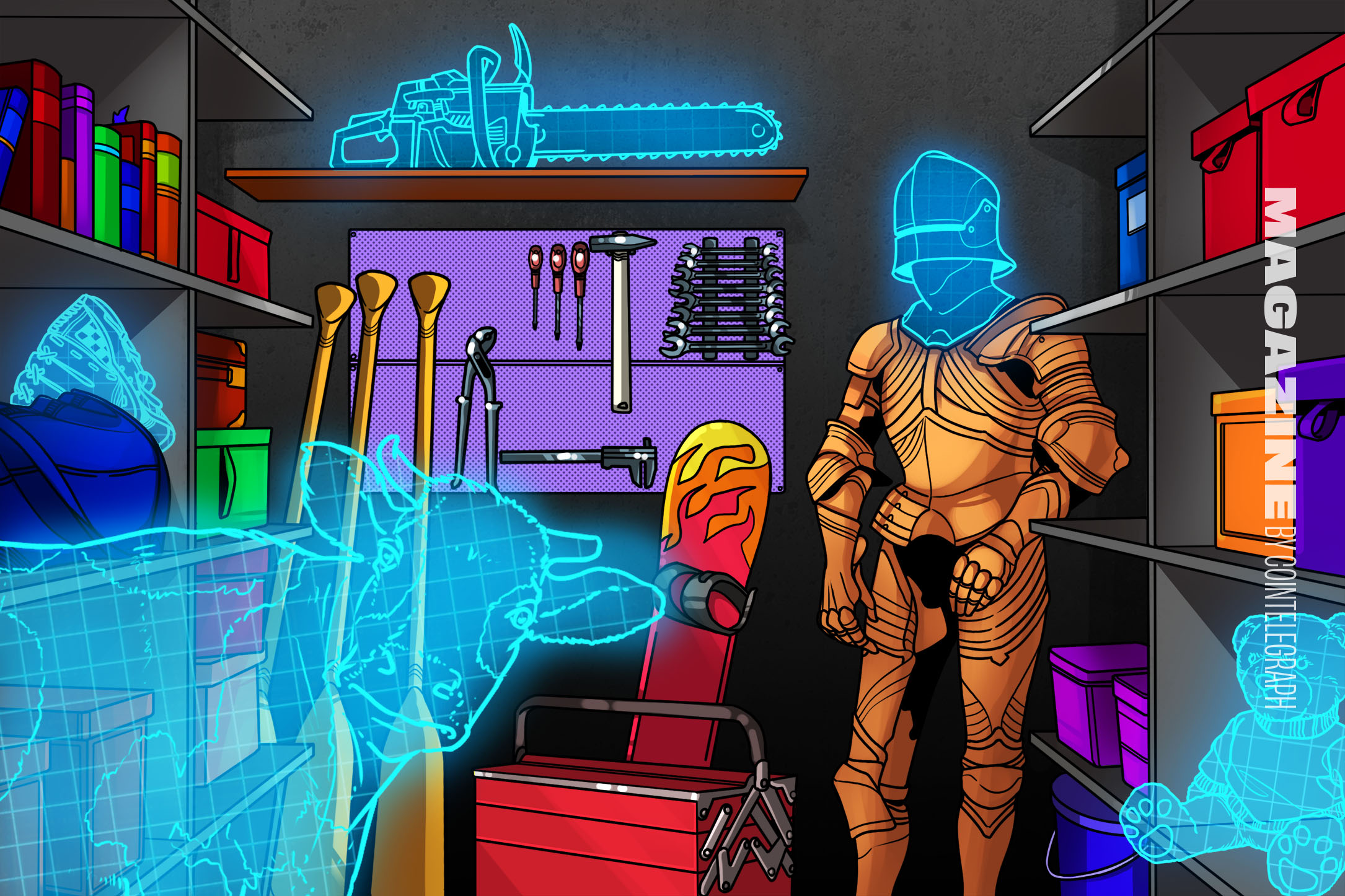
The recent buzz around tokenised cows, intended to represent ownership or fractional ownership in livestock, highlights an ongoing trend. However, this isn't an isolated incident. The history of tokenisation reveals a surprising catalogue of items that have found their way onto various blockchains. This includes everything from the ephemeral, such as 'farts' tokenised as digital collectibles, to the more bizarre, like human skin samples. Even destroyed artworks have been tokenised, with the token representing the conceptual value or historical significance of the now-absent physical piece.
These peculiar instances underscore the versatility and sometimes, the experimental nature of blockchain adoption. Developers and artists alike have pushed the boundaries of what can be digitally represented and traded. While some of these tokenisation efforts might appear whimsical or even absurd, they collectively demonstrate the underlying power of blockchain to assign unique identity and verifiable ownership to virtually anything, regardless of its tangible form or perceived value.
Why it matters for Australian investors
For Australian investors, understanding the broader applications of tokenisation, even the unconventional ones, is crucial for grasping the evolving landscape of digital assets. While farts or human skin tokens are unlikely to feature in a typical Australian investment portfolio, they illustrate the core principle that underpins all tokenised assets: digital scarcity and verifiable ownership. This principle is vital when considering more conventional tokenised assets, such as real estate, commodities, or even fractional shares in businesses, which are slowly gaining traction globally and could eventually impact Australian markets.
Regulators like ASIC are closely monitoring the development of digital assets and tokenisation. As the market matures, Australian investors need to be aware of the classification and regulatory treatment of different types of tokens. For example, some tokens might be deemed financial products, subjecting them to specific licensing and disclosure requirements, while others might be purely collectible with different tax implications. The ATO's guidance on cryptocurrency and digital assets taxation is constantly evolving, and the line between a speculative collectible and a financial asset can be blurred in the tokenisation space.
Australian crypto exchanges such as CoinSpot, Independent Reserve, Swyftx, and BTC Markets primarily list established cryptocurrencies and some NFTs. However, as the tokenisation ecosystem expands globally, these platforms, or new entrants, may eventually offer access to a wider array of tokenised assets. Investors should always conduct thorough due diligence, understand the underlying asset (if any), and be aware of the liquidity and market depth for any tokenised product, no matter how conventional or unconventional it may seem.
Impact on the AUD market
The immediate impact of tokenised farts or human skin on the Australian Dollar (AUD) market is negligible, given their niche and speculative nature. However, the broader trend of tokenisation does hold future implications. As more substantial assets, particularly those with real-world value like property, natural resources, or even carbon credits, become tokenised and tradeable on blockchain networks, it could influence capital flows and investment patterns in and out of Australia.
If Australia were to see significant tokenisation of its vast natural resources or prime real estate, for instance, it could attract international capital directly into tokenised representations of these assets. This could potentially increase demand for AUD, or for stablecoins pegged to AUD, depending on the settlement mechanisms used. Conversely, if tokenised assets allow for easier fractional ownership and global access, it could also lead to diversification of Australian investment portfolios into international tokenised assets, impacting outbound capital flows.
AUSTRAC's role in monitoring transactions and preventing illicit finance extends to tokenised assets. As the sector grows, ensuring compliance with anti-money laundering (AML) and counter-terrorism financing (CTF) regulations will be crucial for maintaining the integrity of the Australian financial system and fostering legitimate tokenisation initiatives. The regulatory clarity and robustness around tokenised assets will significantly influence Australia's attractiveness as a hub for such innovations, ultimately affecting the AUD market's long-term engagement with this emerging financial frontier.
What to watch next
Australian investors should keep a close eye on regulatory developments concerning tokenised assets. As ASIC refines its stance and provides clearer guidance on what constitutes a financial product in the tokenisation space, it will create a more predictable environment for both issuers and investors. This clarity is essential for the legitimate growth of tokenisation beyond speculative collectibles.
Observe how major Australian financial institutions and tech companies engage with tokenisation. Pilot programs or partnerships involving major banks or investment firms using blockchain for asset representation could signal a shift towards mainstream adoption. These initiatives are more likely to focus on tangible assets like property, infrastructure, or supply chain components, rather than novelty items.
Furthermore, monitor the global landscape for successful tokenisation projects that gain significant traction. If major economies effectively integrate tokenised securities or real estate into their financial systems, it will inevitably influence Australia's approach. This includes watching for innovations in stablecoins and central bank digital currencies (CBDCs), which could provide a more stable and efficient settlement layer for a wide range of tokenised assets, potentially impacting how Australian investors interact with these new digital frontiers. The evolution of security token offerings (STOs) and their regulatory treatment globally will also be a key indicator for future investment opportunities in Australia.
Coins covered


Common questions
Are tokenised assets legal to own in Australia?
Yes, tokenised assets can be legally owned in Australia, but their legal and regulatory treatment depends heavily on what they represent. Some may be considered digital collectibles, while others, if they represent a share in an enterprise or a financial product, would fall under ASIC's regulatory purview. It's essential for Australian investors to understand the specific nature of any tokenised asset they acquire and its corresponding legal obligations.
How does the ATO tax tokenised assets in Australia?
The Australian Taxation Office (ATO) generally treats tokenised assets similarly to other digital assets. If held for personal use and not as an investment, certain exemptions might apply. However, if acquired with the intention of profit, they are typically subject to Capital Gains Tax (CGT) upon disposal. Income-generating tokenised assets may also incur income tax. Investors should keep detailed records and seek advice from a tax professional to ensure compliance with Australian tax laws.
Can I buy tokenised real estate or other traditional assets on Australian crypto exchanges?
Currently, major Australian crypto exchanges like CoinSpot, Independent Reserve, Swyftx, and BTC Markets primarily offer cryptocurrencies and some mainstream NFTs. While the tokenisation of real estate and other traditional assets is an emerging global trend, these sophisticated tokenised products are generally not yet widely available or easily accessible on these retail-focused platforms in Australia. Investors interested in these areas should seek out specialised platforms and be aware of potential regulatory complexities.
Explore the weird world of tokenisation and its implications for Australian investors. Discover how strange digital assets shape the future of finance.
About this article: this is an AI-generated summary of reporting by Cointelegraph. It has not been reviewed by a human editor. We use AI to localise crypto news for Australian readers, and we link back to the original source so you can verify the facts.
Informational only — not financial advice. Always do your own research. Read our AI & editorial policy →