
Who Sold Bitcoin During the Crash? Coinshares Reveals Who’s Really Selling Bitcoin ETFs
What happened
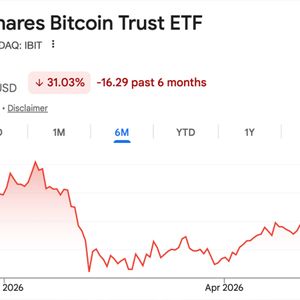
Recent analysis from CoinShares' Digital Asset Analyst Matt Kimmell has shed light on the investor movements surrounding Bitcoin Exchange Traded Funds (ETFs) during the first quarter of 2026. The period was characterised by significant market volatility, sparking interest in which investor demographics demonstrated conviction, and which opted to reduce their exposure to the nascent asset class.
Key findings indicate a divergence in strategies among various investor groups. Professional investors, often perceived as sophisticated market participants, significantly reduced their Bitcoin ETF holdings. This move suggests a sentiment of caution or risk-aversion from a segment of the institutional market during the downturn.
Conversely, other substantial players in the financial landscape demonstrated a different approach. Banks, financial advisors, and even sovereign entities were observed to be increasing their positions in Bitcoin ETFs. Their continued accumulation, despite a deep market correction, signals a long-term strategic outlook or a belief in the fundamental value proposition of Bitcoin, even amidst short-term price fluctuations.
This data offers a nuanced perspective on institutional adoption and belief in Bitcoin. It challenges the monolithic view of 'institutional investors' and highlights the diverse perspectives and investment horizons that exist within these large organisations. The report underscores that not all large-scale investors reacted uniformly to market pressures.
Why it matters for Australian investors
The actions of major global entities in the Bitcoin ETF space have direct and indirect implications for Australian investors. While Australia currently lacks spot Bitcoin ETFs akin to those launched in the US, the sentiment and strategies of professional investors globally often presage trends that eventually reach local shores. Understanding who was buying and selling provides insight into the potential drivers of future market movements.
For Australian investors utilizing domestic platforms like CoinSpot, Independent Reserve, Swyftx, or BTC Markets to gain exposure to Bitcoin, these global trends can still influence local pricing. Bitcoin is a globally traded asset, and large buying or selling pressure from institutional players can impact its price on exchanges globally, including those accessible to Australian traders.
Furthermore, as Australian regulators like ASIC continue to monitor the global landscape, the performance and investor profiles of these international Bitcoin ETFs could inform future policy directions. The maturity and resilience of the Bitcoin ETF market, as evidenced by sustained interest from certain institutional sectors, might encourage a more favourable regulatory environment for similar products down under.
Taxation also remains a key consideration for Australian crypto investors. The ATO's guidance on cryptocurrency as an asset for capital gains tax purposes means that investor behaviour, even in international markets, can influence overall market sentiment, which in turn affects portfolios here. Understanding global dynamics can help in portfolio management and strategic planning within the existing regulatory framework.
Impact on the AUD market
While the direct impact on the Australian dollar (AUD) exchange rate against fiat currencies might be limited by these specific Bitcoin ETF movements, the broader narrative of institutional adoption and resilience in the face of volatility has consequences for the local crypto market. A sustained belief in Bitcoin from significant global financial institutions could reinforce its status as a legitimate asset class, fostering greater confidence among Australian investors.
This increased confidence could lead to greater investment flows into Bitcoin and other cryptocurrencies from Australian individuals and institutions, potentially increasing the trading volume on Australian exchanges. Higher liquidity and greater market participation could, over time, lead to a more robust and efficient local crypto market.
Moreover, the long-term accumulation by banks and sovereign entities suggests a conviction that extends beyond short-term speculative plays. This could signal a potential shift in how these types of organisations view digital assets, moving them from niche investments to more integrated components of broader financial strategies. Such a shift would have reverberations across global financial markets, including those that interact with the AUD.
The activity also serves as a critical data point for AUSTRAC, Australia's financial intelligence agency. Their ongoing work in monitoring financial transactions and ensuring compliance benefits from global insights into how large-scale investment in digital assets is evolving. The growing involvement of traditional financial players provides a clearer picture of the evolving financial landscape from a regulatory perspective.
What to watch next
Moving forward, Australian investors should closely monitor several aspects related to these global trends. Firstly, observe subsequent CoinShares reports or similar analyses that track the ongoing flow of funds into and out of Bitcoin ETFs. Persistent accumulation from banks and sovereign entities, particularly if it accelerates, would indicate continued strong belief in Bitcoin's long-term prospects.
Secondly, pay attention to any developments from Australian financial regulators, particularly ASIC, regarding spot Bitcoin ETFs. Should global markets continue to show stability and institutional maturity, the pressure for Australia to introduce similar products may intensify. The actions of global players provide a blueprint and a case study for local decision-makers.
Thirdly, consider how these institutional movements impact overall market sentiment and price action. While not financial advice, understanding the psychological drivers of the market, particularly from large, influential players, can be invaluable for making informed decisions within one's own investment strategy. A sustained period of institutional accumulation could indicate a stronger underlying market.
Finally, keep an eye on how traditional financial institutions continue to integrate digital assets into their offerings and portfolios. The involvement of banks and financial advisors in Bitcoin ETFs points towards a broader trend of convergence between traditional finance and the digital asset space. This convergence could unlock new opportunities and financial products for Australian investors in the future, subject to regulatory oversight and market evolution.
Coins covered

Common questions
Are there Bitcoin ETFs available for Australian investors?
Currently, direct spot Bitcoin Exchange Traded Funds (ETFs) are not available to Australian retail investors in the same way they are in some international markets. However, Australian investors can gain exposure to Bitcoin through various other avenues, including purchasing it directly on regulated Australian cryptocurrency exchanges like CoinSpot, Independent Reserve, Swyftx, and BTC Markets, or via other investment products that hold Bitcoin indirectly.
How does the ATO tax Bitcoin investments for Australians?
The Australian Taxation Office (ATO) generally treats Bitcoin and other cryptocurrencies as capital gains tax (CGT) assets. This means that when you sell, trade, or otherwise dispose of your Bitcoin, you may incur a capital gain or loss. Record-keeping is crucial, and the specific tax implications can vary depending on whether you are classified as an investor or running a crypto-related business. It's always recommended to consult with a qualified tax professional for personalised advice.
What regulatory bodies oversee cryptocurrency in Australia?
In Australia, several regulatory bodies play a role in the cryptocurrency sector. AUSTRAC (Australian Transaction Reports and Analysis Centre) is the primary body responsible for regulating digital currency exchange providers for anti-money laundering (AML) and counter-terrorism financing (CTF) purposes. ASIC (Australian Securities and Investments Commission) oversees financial products and services, and their remit extends to certain crypto-related offerings, particularly those considered financial instruments or products. The ATO handles taxation matters related to cryptocurrencies.
New data reveals how professional investors, banks, and sovereign entities navigated Bitcoin ETFs during a market downturn. Get key insights for Australian in