
Web3 Gaming Before Summer Game Fest: Can Crypto Games Compete With Real Reveals?
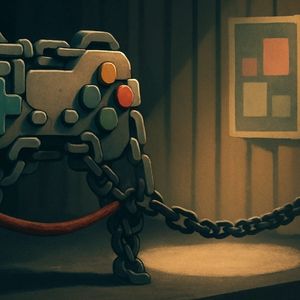
Amidst the global gaming spotlight, Australian crypto investors are increasingly eyeing the intersection of Web3 and traditional gaming. As major events like Summer Game Fest draw closer, the question isn't just about what's new in gaming, but whether blockchain-powered titles can truly compete on a level playing field. For the sophisticated Australian investor, understanding this dynamic is crucial for identifying genuine opportunities amidst the hype.
What happened
The gaming world is bracing for Summer Game Fest, a seminal event known for its blockbuster reveals of new titles, trailers, and playable demos. This year, the focus for Web3 enthusiasts is whether any blockchain game can stand out against its traditional counterparts, particularly concerning gameplay quality, polish, and long-term viability. The main live showcase, hosted by Geoff Keighley, is scheduled for June 5 at 2:00 PM PT / 5:00 PM ET, kickstarting two hours of high-profile announcements.
Crucially for the Web3 gaming infrastructure, the Ronin Network, a significant player in the blockchain gaming space, recently migrated to an Ethereum OP-Stack Layer-2 solution on May 12. This strategic move dramatically reduced RON’s annual inflation from approximately 45 million tokens to just 5 million, an impressive 89% cut. It also introduced monthly Proof-of-Distribution builder rewards, aligning incentives more closely with development and sustainability.
Innovation in throughput is also on the horizon, with MAGNE.AI claiming its M Hash L2 testnet is processing around 8,000 transactions per second (TPS) with near-zero gas fees. Their game 'War of the Gods' is already playable on this testnet, a development announced on May 5. These technological advancements signal serious intent to overcome common scalability and cost barriers that have plagued earlier blockchain games.
However, a recent market-maker study by Caladan painted a stark picture of the Web3 gaming landscape. It estimated that approximately 93% of Web3/GameFi projects launched since 2020 are now effectively inactive. More than 300 games have been shut down, highlighting a significant consolidation phase within the industry and underscoring the high barriers to sustained success.
Why it matters for Australian investors
For Australian investors, the evolution of Web3 gaming presents a dual-edged sword of innovation and risk. The promise of true digital asset ownership, transparent economies, and player-driven markets resonates strongly, offering avenues for value creation beyond traditional investment channels. Platforms like CoinSpot, Independent Reserve, Swyftx, and BTC Markets, which facilitate access to various cryptocurrencies, could see increased trading volumes for tokens associated with successful Web3 games.
However, the high rate of project failure, as evidenced by the Caladan study, demands a cautious approach. Australian investors must perform thorough due diligence, looking beyond speculative token promises to assess fundamental game design, development teams, and sustainable economic models. The ATO's guidance on crypto as an asset class means any gains from such investments are subject to capital gains tax, reinforcing the need for well-researched decisions.
The industry's biggest risks—speculative tokens, smart-contract vulnerabilities, poor user experience (UX), thin liquidity, unclear intellectual property rights, and global regulatory uncertainty—are amplified for Australian investors. While AUSTRAC ensures robust anti-money laundering and counter-terrorism financing frameworks for crypto exchanges, ASIC's watchful eye on investment products means that any Web3 gaming project targeting Australian consumers must navigate stringent local compliance.
Ultimately, success for Web3 games hinges on their ability to deliver genuine fun and fairness without adding friction. Australian investors should prioritise projects demonstrating playable builds, strong user retention metrics, credible distribution partners, and robust, sustainable economic designs. These elements are far more indicative of long-term viability than cinematic trailers or token-gating gimmicks.
Impact on the AUD market
The performance and growth of the Web3 gaming sector, particularly if a breakout title emerges, could have a ripple effect on the Australian crypto market. Increased investor confidence in the utility of blockchain technology within gaming might drive demand for associated cryptocurrencies, potentially impacting AUD-denominated trading pairs on local exchanges.
Should Web3 games succeed in attracting a significant mainstream audience, Australian platforms providing fiat-to-crypto on-ramps could benefit from an influx of new users. This could lead to greater liquidity and depth in the AUD crypto market. Conversely, widespread failures or significant security breaches in major Web3 games could dampen overall investor sentiment, leading to outflows and reduced trading activity.
Infrastructure improvements, such as the Ronin Network's migration to an Ethereum OP-Stack Layer-2, are critical. By reducing transaction costs and improving speed, these developments make Web3 gaming more accessible and appealing to a broader user base, including Australian gamers. Near-zero gas fees, as demonstrated by MAGNE.AI's testnet, are especially attractive, removing a significant hurdle for new players and paving the way for more engaging in-game economies.
The regulatory environment in Australia, though evolving, plays a crucial role. Clearer guidance from ASIC on tokenised assets in games could boost investor confidence, bringing more institutional and retail capital into the sector. Projects that proactively navigate these regulatory complexities will be viewed more favourably by sophisticated Australian investors compared to those operating in a grey area.
What to watch next
As Summer Game Fest approaches, Australian investors should closely monitor game reveals for evidence of polished gameplay and an invisible on-chain layer. Look for projects that provide fast starts, intuitive controls, and rewards that genuinely enhance the player experience without feeling like chores. The key is whether blockchain elements truly add value post-play, via verifiable asset ownership and expanded player options.
Distribution strategies will be critical. Projects need to demonstrate clear pathways to acquiring and retaining users, not just boast about Discord member counts. This includes platform partnerships, storefront presence, or established communities with measurable retention metrics like daily active users (DAU) and day-1/7 retention rates. Transparency around these metrics post-reveal will be a strong indicator of a project's health.
Keep an eye on economic design. The strongest Web3 games will treat tokens and NFTs as optional accelerants with clear sinks, seasonal resets, and predictable emission schedules, rather than centralising gaming loops around them. Ronin’s drastic cut to RON inflation and its builder-aligned incentives serve as a template for financially sustainable models that prioritise longevity over short-term speculation.
Finally, continued innovation in Layer-2 solutions and account abstraction will be pivotal. Solutions that minimise friction (e.g., sponsored gas fees, seamless wallet UX) will be key enablers for widespread adoption. Australian investors should evaluate projects based on their commitment to making blockchain invisible during gameplay, allowing players to focus on fun, not complex crypto mechanics.
Coins covered
 View ETHEthereumETHLive price, charts & AUD analysis
 View JSTJUSTJSTLive price, charts & AUD analysis
 View MKRMakerMKRLive price, charts & AUD analysis
 View IMXImmutableIMXLive price, charts & AUD analysis
 View OPOptimismOPLive price, charts & AUD analysis
 View BTCBitcoinBTCLive price, charts & AUD analysis
 View IPStoryIPLive price, charts & AUD analysis
Common questions
How does ATO tax treatment impact my Web3 gaming investments in Australia?
The Australian Taxation Office (ATO) treats cryptocurrency, including gaming tokens and NFTs, as a form of property for tax purposes. This means any gains from selling, trading, or otherwise disposing of these assets are generally subject to Capital Gains Tax (CGT). It's crucial for Australian investors to keep meticulous records of their purchases, sales, and any associated costs to accurately calculate their tax obligations.
Which Australian crypto exchanges support Web3 gaming tokens and NFTs?
Australian crypto exchanges like CoinSpot, Independent Reserve, Swyftx, and BTC Markets primarily focus on established cryptocurrencies. While they may list some tokens associated with major Web3 games, direct trading of game-specific NFTs or obscure gaming tokens might require using decentralised exchanges (DEXs) or international platforms. Always check an exchange's specific listings before attempting to trade.
What regulatory safeguards are in place for Australian investors in Web3 gaming?
AUSTRAC oversees anti-money laundering and counter-terrorism financing (AML/CTF) for Australian crypto exchanges, providing a layer of protection from illicit activities. While ASIC has expressed interest in regulating crypto, specific guidelines for Web3 gaming investments are still evolving. Investors should remain vigilant, understanding that while some consumer protections exist for regulated financial products, the Web3 gaming space may present unique risks not yet fully covered by existing frameworks.
Australian investors: Explore how Web3 gaming competes with traditional titles. Analyse Ronin's Layer-2 shift, market realities, and what to watch next. Cruci