
Top 5 Stablecoins Capture Nearly 90% of Sector as Market Contracts This Week
What happened
The global stablecoin market has recently experienced a minor contraction, shedding approximately AUD$136.5 million (USD$90.01 million) over the past week. This slight dip brings the sector's total valuation to just over AUD$490 billion (USD$323.052 billion). Despite this overall reduction, the stablecoin landscape continues to be heavily concentrated, with the top five stablecoins now commanding nearly 90% of the entire market. This underscores a persistent trend towards consolidation within this crucial segment of the crypto ecosystem.
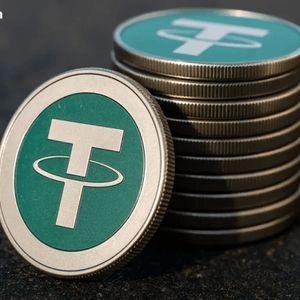
Tether (USDT) remains the undisputed market leader, maintaining a dominant position with its market capitalisation hovering just shy of AUD$288.4 billion (USD$189.468 billion). This figure represents an impressive 58.65% share of the total stablecoin market. The next four largest stablecoins – USD Coin (USDC), Dai (DAI), First Digital USD (FDUSD), and Ethena USDe (USDe) – collectively account for a further 30.01% of the sector's valuation. USDT’s long-standing dominance highlights its entrenched role in global crypto trading and liquidity.
USD Coin (USDC) holds the second-largest share, contributing 21.67% to the total, while Dai (DAI) is a distant third with 4.54%. Newer entrants like First Digital USD (FDUSD) and Ethena USDe (USDe) have rapidly ascended, securing 2.21% and 1.59% respectively. These five stablecoins, therefore, collectively control a staggering 88.66% of the stablecoin market. This high concentration has significant implications for market stability and liquidity, as the health of these few assets largely dictates the stability of the broader digital asset space.
Why it matters for Australian investors
For Australian investors, stablecoins are a fundamental bridge between the fiat and crypto worlds. They offer a way to hedge against crypto market volatility without fully exiting the digital asset space, providing a crucial tool for portfolio management. The market's contraction, while minor, serves as a reminder that even these 'stable' assets are subject to market dynamics and broader economic forces. The dominance of a few players, particularly Tether, means that any significant event impacting these major stablecoins could have widespread ramifications, affecting liquidity and trading opportunities on Australian exchanges such as CoinSpot, Independent Reserve, Swyftx, and BTC Markets.
The high concentration in the stablecoin market means that Australian investors inadvertently have a significant exposure to the top few assets, especially USDT and USDC. These are the primary stablecoins used for trading pairs on most Australian platforms. Therefore, understanding the health and regulatory standing of these stablecoin issuers is paramount. Any regulatory challenges or solvency concerns faced by these leading stablecoin providers globally could trickle down and impact the availability and stability of trading pairs for Australian users.
Furthermore, the Australian Taxation Office (ATO) treats stablecoins as digital currency for tax purposes, meaning capital gains tax can apply when stablecoins are disposed of, including when they are used to purchase other cryptocurrencies or converted back to AUD. The stability and liquidity of these assets are therefore directly relevant to tax calculations and portfolio planning for Australian investors. The continued evolution of the stablecoin market also keeps organisations like AUSTRAC and ASIC vigilant, as they monitor potential risks related to money laundering, terrorism financing, and consumer protection within the digital asset space.
Impact on the AUD market
The minor contraction in the global stablecoin market has not yet shown a significant direct impact on AUD-pegged stablecoins, which represent a much smaller, albeit growing, segment. However, the overall health of the major USD-pegged stablecoins is indirectly critical for AUD-denominated crypto markets. Most Australian exchanges still primarily offer trading pairs against USDT or USDC, meaning the underlying stability of these assets underpins a vast majority of crypto-AUD transactions. If major USD stablecoins face significant issues, the flow-on effect could disrupt liquidity for all assets, including those trading directly against AUD.
A robust and liquid stablecoin market is essential for efficient arbitrage between Australian dollars and global crypto markets. Australian investors and traders rely on stablecoin availability to quickly move in and out of positions, manage risk, and take advantage of price discrepancies across different exchanges. The current market structure, with its heavy reliance on a few dominant stablecoins, means that their performance and regulatory compliance indirectly influence the cost and ease of transacting for Australian users.
Moreover, the slight global dip could subtly influence investor sentiment within Australia. While relatively small, it may cause some users to reassess their stablecoin holdings or allocations, potentially increasing interest in AUD-backed stablecoins or directly converting back to fiat on local exchanges. Organisations like AUSTRAC closely monitor all stablecoin activity, including AUD-pegged variants, to ensure compliance with anti-money laundering and counter-terrorism financing regulations, further integrating stablecoins into the broader Australian financial landscape.
What to watch next
Australian investors should monitor several key trends within the stablecoin sector. Firstly, the ongoing regulatory developments in major jurisdictions, particularly the United States and Europe, will likely shape the future of stablecoin issuance and operation. Stricter regulations or clarity around stablecoin reserves could either bolster confidence or introduce new compliance burdens for issuers, potentially impacting their market share and operational stability. ASIC and AUSTRAC will likely observe these global trends to inform their approach to digital asset regulation in Australia.
Secondly, observe the market share battle outside the top two. While Tether and USDC dominate, the rapid rise of FDUSD and USDe suggests an appetite for alternative stablecoin models. Whether these newer entrants can sustain their growth and challenge the established order will be a significant storyline. Australian investors might see these newer stablecoins become more available on local exchanges, expanding options for diversified stablecoin holdings, though due diligence on their reserve mechanisms is always advisable.
Finally, keep an eye on the emergence and growth of AUD-pegged stablecoins. While still niche, increased institutional or retail adoption of these assets could provide greater financial sovereignty and reduced foreign exchange risk for Australian investors. Development in this area could also be influenced by the Reserve Bank of Australia’s work on a central bank digital currency (CBDC) pilot, which might set precedents for how digital currencies are integrated into the Australian financial system. The stablecoin market's evolution will continue to be a critical indicator of the broader crypto market's maturity and resilience.
Coins covered
 View usdtTetherusdtLive price, charts & AUD analysis
 View usdcUSDCusdcLive price, charts & AUD analysis
 View fdusdFirst Digital USDfdusdLive price, charts & AUD analysis
 View jstJUSTjstLive price, charts & AUD analysis
 View usdeEthena USDeusdeLive price, charts & AUD analysis
 View enaEthenaenaLive price, charts & AUD analysis
 View daiDaidaiLive price, charts & AUD analysis
 View btcBitcoinbtcLive price, charts & AUD analysis
Common questions
Are stablecoins taxable in Australia?
Yes, the Australian Taxation Office (ATO) classifies stablecoins as digital currency. This means that capital gains tax (CGT) can apply when you dispose of stablecoins, such as when you sell them for Australian dollars, trade them for other cryptocurrencies, or use them to purchase goods and services. Keeping accurate records of your stablecoin transactions is essential for tax purposes.
Which Australian crypto exchanges offer stablecoin trading?
Most major Australian crypto exchanges, including CoinSpot, Independent Reserve, Swyftx, and BTC Markets, offer trading pairs involving prominent stablecoins like Tether (USDT) and USD Coin (USDC). These platforms allow Australian investors to buy, sell, and trade various cryptocurrencies using these stablecoins as a base currency.
How does AUSTRAC regulate stablecoins in Australia?
AUSTRAC (Australian Transaction Reports and Analysis Centre) regulates stablecoins as part of its mandate to combat money laundering and terrorism financing. Digital currency exchanges operating in Australia, including those facilitating stablecoin transactions, are required to register with AUSTRAC and comply with their anti-money laundering and counter-terrorism financing (AML/CTF) obligations. This includes reporting suspicious transactions and verifying customer identities.
Australia: Discover how a recent stablecoin market contraction and top 5 dominance impacts AU investors, AUD markets, and what's next for crypto via CoinPulse