
Strategy’s 32 BTC Sale Hits Bitcoin as Price Slides 5% and Liquidations Top $627M
What happened
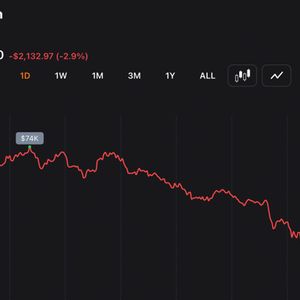
Bitcoin commenced June with a significant downturn, dipping below the US$71,000 mark for the first time since April. This sharp price correction precipitated a broader market sell-off, leading to substantial liquidations across the cryptocurrency landscape. The total value of leveraged positions liquidated exceeded US$627 million, indicating widespread market volatility and a rapid unwinding of speculative positions.
This immediate reaction saw Bitcoin's price slide by over 5% in a relatively short period. The broader impact was felt across the entire crypto ecosystem, with the total market capitalisation of all cryptocurrencies decreasing to US$2.52 trillion. This downturn highlights the market's sensitivity to price movements, particularly following periods of sustained growth or stability, and underscores the inherent volatility of digital assets.
Why it matters for Australian investors
For Australian investors, Bitcoin's performance often acts as a bellwether for the broader cryptocurrency market. A significant price drop in BTC typically cascades to other digital assets, affecting portfolios held on local exchanges like CoinSpot, Independent Reserve, Swyftx, and BTC Markets. While the dip below US$71,000 might seem like a global event, its implications for AUD-denominated holdings are immediate and tangible.
The volatility observed highlights the importance of risk management strategies for Australian investors. Diversification and a clear understanding of personal risk tolerance are crucial, especially when navigating a market prone to rapid fluctuations. Furthermore, Australian investors should remain cognizant of their tax obligations, as the Australian Taxation Office (ATO) treats cryptocurrencies as property for capital gains tax purposes. Significant market movements can trigger taxable events, even if funds are not immediately withdrawn.
Impact on the AUD market
When global Bitcoin prices experience a significant decline, it directly translates to a lower AUD equivalent price on Australian exchanges. This means any holdings an Australian investor possesses would reflect this depreciation in their local currency. While the source material doesn't provide specific AUD pricing, it's a direct consequence of global market movements filtered through prevailing AUD/USD exchange rates.
Such market events can also influence trading volumes on Australian platforms. Some investors might see this as a buying opportunity, leading to increased demand, while others might panic sell, adding to market pressure. Local regulatory bodies such as ASIC and AUSTRAC continuously monitor market activity to ensure compliance and protect consumers, particularly during periods of heightened volatility. The integrity of the Australian crypto market infrastructure is paramount in these conditions.
Ultimately, the Australian crypto market, while distinct in its regulatory environment and local exchange offerings, remains deeply interconnected with global price action. The US dollar benchmark for Bitcoin is universally recognised, and its movements drive the AUD value of holdings. Therefore, understanding global sentiment and price drivers is crucial for anyone engaging with digital assets in Australia.
What to watch next
The immediate aftermath of a significant price reduction often involves a period of consolidation or further volatility. Australian investors should closely monitor global market sentiment, macroeconomic indicators, and any major news events that could influence Bitcoin's price. Key support and resistance levels will be scrutinised by technical analysts, potentially indicating future price movements.
Beyond price action, regulatory developments both internationally and within Australia will continue to shape the investment landscape. While the source details a price drop, understanding the underlying factors driving such movements is essential for making informed decisions. The broader crypto market's resilience and ability to recover from such dips will be a key performance indicator. Pay attention to how quickly the total crypto market capitalisation recovers or if the selling pressure persists, as this provides insight into broader market health. Any significant shift in institutional adoption or regulatory clarity could also become a major catalyst, either positive or negative, for Bitcoin's price trajectory.
Coins covered

Common questions
How does Bitcoin's price drop affect my crypto investments on Australian exchanges?
When global Bitcoin prices fall, the AUD value of your holdings on Australian exchanges like CoinSpot, Independent Reserve, Swyftx, or BTC Markets will also decrease. This is because the AUD price is derived from its globally benchmarked USD price, adjusted by the prevailing exchange rate.
Do I pay tax on crypto if it goes down in value in Australia?
Yes, if you sell or dispose of your cryptocurrency for Australian dollars, trade it for other crypto, or use it to buy goods and services, and it has decreased in value, you may incur a capital loss according to ATO guidelines. Capital losses can potentially offset capital gains.
What regulatory bodies in Australia oversee cryptocurrency trading during volatile periods?
In Australia, the Australian Securities and Investments Commission (ASIC) provides guidance on financial products, including some crypto assets. AUSTRAC (Australian Transaction Reports and Analysis Centre) is responsible for anti-money laundering and counter-terrorism financing regulation for crypto exchanges. Both bodies monitor market activity to ensure compliance and market integrity.
Bitcoin's recent dip below US$71,000 sent shockwaves. For Australian investors, this means understanding market volatility and its impact on AUD portfolios.