
Morning Minute: SEC Reverses Course on Tokenized Stocks, HYPE Soars
What happened
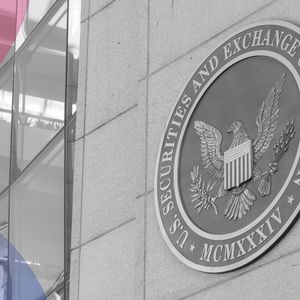
The US Securities and Exchange Commission (SEC) recently signalled a significant shift in its stance towards tokenised stocks, an asset class that digitally represents traditional equities on a blockchain. This development has generated considerable industry buzz, particularly given the SEC's historically cautious approach to novel financial products built on distributed ledger technology.
The reversal in tone from the American regulator regarding third-party tokenised stocks marks a potential turning point for how these digital assets could be perceived and integrated into mainstream finance. Previously, there had been an atmosphere of uncertainty, with regulatory bodies globally grappling with the classification and oversight of assets that bridge traditional securities markets with the decentralised nature of blockchain.
Simultaneously, the broader cryptocurrency market saw notable movements. A prominent investment strategy, identified simply as 'Strategy', reportedly acquired an additional $2 billion worth of Bitcoin (BTC). Despite this substantial institutional accumulation, the price of Bitcoin subsequently experienced a downward trend. These seemingly contradictory market dynamics highlight the complex interplay between institutional investment, regulatory sentiment, and overarching market forces.
Tokenised stocks allow investors to buy and sell fractional shares or ownership in traditional companies, 24/7, using blockchain technology. This innovation promises enhanced liquidity, greater accessibility for investors, and potentially lower transaction costs. The SEC's evolving perspective could pave the way for increased adoption and regulatory clarity, although the full implications are yet to unfold.
Why it matters for Australian investors
For Australian investors, the SEC's evolving stance on tokenised stocks carries particular weight. While directly impacting US markets, such significant regulatory shifts often create a ripple effect, influencing global dialogues and potentially accelerating similar considerations by Australian financial regulators such as ASIC (Australian Securities and Investments Commission) and AUSTRAC (Australian Transaction Reports and Analysis Centre).
If tokenised stocks gain broader regulatory acceptance overseas, it could foster innovation within Australia's financial technology sector. Australian exchanges like CoinSpot, Independent Reserve, Swyftx, and BTC Markets, already facilitating crypto trading, might explore or expand offerings into regulated tokenised securities, subject to local licensing and compliance frameworks. This could provide Australian investors with new avenues for diversification and access to global equities.
Moreover, the legitimisation of tokenised stocks by a major global regulator could impact how the Australian Taxation Office (ATO) views and treats such digital assets for tax purposes. While the ATO generally classifies cryptocurrencies as property for capital gains tax (CGT) purposes, the specific tax treatment of tokenised traditional securities on a blockchain would require careful consideration, potentially mirroring the treatment of their underlying assets but with blockchain-specific nuances.
Australian investors are increasingly familiar with digital assets. A clear regulatory pathway for tokenised stocks could unlock new opportunities, but also necessitates robust consumer protection measures and clear guidance from local authorities to ensure market integrity and investor confidence. The emphasis on 'third-party' tokenised stocks also suggests a model where independent entities issue and manage these digital representations, further complicating the regulatory landscape.
Impact on the AUD market
The broader implications for the Australian Dollar (AUD) market are multifaceted. Increased global acceptance and trading of tokenised stocks could potentially draw capital flows, influencing foreign exchange markets. If Australian financial institutions or investors actively participate in these markets, it could create new demand or supply dynamics for the AUD.
Furthermore, the movement in Bitcoin's price, despite substantial institutional buying, is a reminder of the Australian crypto market's susceptibility to global sentiment. Even with significant capital injections, market dynamics are influenced by a multitude of factors, including macroeconomic conditions, geopolitical events, and broader investor confidence. Australian platforms often mirror global pricing, meaning local AUD-denominated crypto assets generally track international movements.
Should tokenised stocks gain momentum, it might lead some Australian investors to re-evaluate their portfolios, potentially shifting capital between traditional equities, un-tokenised cryptocurrencies, and these new digital securities. This rebalancing could impact the demand for various asset classes within the AUD ecosystem.
While the SEC's decision is not directly about the AUD, it contributes to the global narrative around digital asset legitimacy and adoption. This broader acceptance could enhance Australia's position as a financial hub if local regulations adapt effectively, potentially attracting foreign investment and fostering domestic innovation within the growing digital economy.
What to watch next
Australian investors should closely monitor how the SEC's new stance translates into concrete regulatory frameworks and market activity. Particular attention should be paid to the types of tokenised stocks that gain approval, the exchanges listing them, and the investor protections put in place. This will provide a template for potential developments in Australia.
Domestically, keeping an eye on statements from ASIC and AUSTRAC regarding tokenised securities is crucial. Any guidance, discussion papers, or proposed regulations from these bodies will shape the future landscape for Australian investors wanting to engage with this asset class. Industry consultations and pilot programmes, if initiated, will be key indicators of local progress.
The global evolution of digital asset regulation, particularly from major jurisdictions like the US, will continue to impact the Australian market indirectly. The ongoing efforts towards a clear and consistent global regulatory environment for digital assets will be pivotal for mainstream adoption and the reduction of market fragmentation.
Finally, observing the performance and adoption rates of tokenised stocks globally will offer valuable insights. Their liquidity, trading volumes, and integration into existing financial systems will dictate their long-term viability and attractiveness to Australian investors looking for diversified opportunities beyond traditional markets and established cryptocurrencies such as Bitcoin and Ethereum.
Coins covered



Common questions
What are tokenised stocks and how are they taxed in Australia?
Tokenised stocks are digital representations of traditional company shares recorded on a blockchain. While the SEC's stance is evolving, the ATO would likely treat them similar to their underlying traditional shares for tax purposes, probably subject to Capital Gains Tax (CGT) on disposal if they are considered an investment, or income tax if traded as a business. Specific guidance from the ATO on tokenised securities is always best to consult.
Can Australian investors buy tokenised stocks if they become widely available?
Currently, the availability of tokenised stocks for Australian investors depends on local regulatory frameworks and exchange offerings. If global acceptance grows and Australian regulators like ASIC provide clear guidance, it's possible that Australian crypto exchanges or traditional brokers might list them, allowing local access. However, compliance with Australian financial services laws would be paramount.
How does the SEC's decision on tokenised stocks affect Australian crypto exchange platforms like CoinSpot or Swyftx?
The SEC's move could indirectly influence Australian crypto exchange platforms by indicating a global trend towards integrating traditional finance with blockchain. If tokenised stocks gain traction, Australian exchanges might explore adding such offerings, provided they can secure the necessary licences and comply with local regulations from bodies like ASIC and AUSTRAC. This could expand their product range beyond pure cryptocurrencies.
The SEC's shift on tokenised stocks could reshape markets. For Australian investors, this means new opportunities and regulatory considerations. Explore the i