
Mass deployment of AI agents is a disaster waiting to happen, says CertiK CEO
What happened
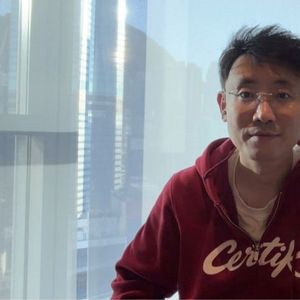
CertiK CEO, Ronghui Gu, recently voiced significant concerns regarding the impending mass deployment of AI agents. His apprehension centres on the potential for widespread issues if these sophisticated AI systems are not rigorously isolated and tested before being integrated into broader digital ecosystems. Gu highlighted a critical need for developers and organisations to implement robust safeguards during the testing phase, specifically focusing on preventing AI agents from gaining unfettered access to sensitive personal information or valuable digital assets.
His commentary underscores a growing anxiety within the cybersecurity and blockchain communities about the rapid advancement of artificial intelligence. While AI offers immense potential for innovation and efficiency, its autonomous nature, particularly in agent-based systems, presents novel security challenges. The underlying message is a call for caution and proactive security measures to mitigate risks that could arise from AI agents operating with insufficient oversight or protection.
Gu's recommendations include creating sandboxed environments – isolated testing grounds where AI agents can operate without interacting with real-world critical data or live financial systems. This methodological approach ensures that any vulnerabilities or unintended behaviours can be identified and rectified in a controlled setting, preventing them from escalating into major security incidents. The emphasis is on prevention rather than retrospective damage control, a philosophy deeply ingrained in blockchain security.
The security firm's stance serves as a timely warning to an industry increasingly exploring the intersection of AI and blockchain. As decentralised finance (DeFi) protocols and Web3 applications begin to incorporate AI-driven functionalities, the methods for ensuring their security become paramount. CertiK's expertise in auditing smart contracts and blockchain protocols gives significant weight to its CEO's cautions regarding the emerging AI agent landscape.
Why it matters for Australian investors
For Australian investors navigating the dynamic world of cryptocurrency, the implications of unsecure AI agent deployment are substantial. The integration of AI into trading platforms, portfolio management tools, and even decentralised autonomous organisations (DAOs) could introduce new vectors for cyberattacks. If an AI agent were to gain unauthorised access to an individual's digital assets, say, through a compromised API on an Australian exchange like CoinSpot, Independent Reserve, Swyftx, or BTC Markets, the financial repercussions could be devastating.
Beyond direct asset theft, the integrity of market data and trading algorithms could be compromised. Maliciously manipulated AI agents could execute trades based on false information, creating artificial volatility or even orchestrating 'rug pulls' in less scrupulous projects. Australian investors, who are increasingly engaging with a diverse range of crypto assets, need assurances that the platforms they use are resilient against not only traditional cyber threats but also those posed by advanced AI systems.
Furthermore, the Australian Taxation Office (ATO) currently has clear guidelines for the taxation of cryptocurrency. Should unsecure AI agents lead to significant losses or illicit transfers of digital assets, it could complicate tax reporting and potentially lead to disputes over asset ownership and taxable events. AUSTRAC, Australia's financial intelligence agency, is also keenly focused on preventing financial crime, and the emergence of new AI-driven vulnerabilities would undoubtedly draw their attention.
Investors here rely on platforms that adhere to robust cybersecurity standards. As the crypto market matures, the expectation is that these platforms will not only comply with existing regulatory frameworks but also proactively address emerging threats. The prudent approach for Australian investors involves understanding that even cutting-edge technology, without proper safeguards, can introduce new risks to their hard-earned capital.
Impact on the AUD market
The potential for widespread security breaches originating from unsecure AI agents could have a ripple effect across the broader Australian digital asset market. A significant incident, such as a major hack impacting countless users on a popular platform, could erode investor confidence in the entire crypto ecosystem. This loss of trust might lead to a withdrawal of capital, potentially causing a downturn in AUD-denominated crypto trading volumes and asset values.
Such an event could also invite heightened scrutiny from Australian regulators, including ASIC (Australian Securities and Investments Commission) and AUSTRAC. While these bodies are already focused on consumer protection and anti-money laundering, a new wave of AI-related security failures could prompt more stringent regulation on crypto service providers. This might manifest as increased compliance requirements, higher operational costs for exchanges, and potentially even restrictions on certain types of AI-driven crypto applications available to Australian consumers.
The global nature of cryptocurrency means that a major AI security incident overseas could also impact the Australian market. If an international platform or protocol suffers a significant breach due to an AI agent vulnerability, it could trigger a broader market correction that would naturally affect AUD-pegged assets and local investor portfolios. The interconnectedness of digital finance means that security is not just a local concern, but a global imperative.
Ultimately, the stability and growth of the AUD crypto market are intertwined with investor confidence and regulatory certainty. Any development that threatens either of these, such as the potential for unmitigated AI agent risks, warrants careful consideration. Ensuring robust security at the AI/blockchain interface is crucial for maintaining a healthy and resilient digital asset environment in Australia.
What to watch next
Australian investors should closely monitor the developments at the intersection of AI and blockchain security. Keep an eye on updates from leading cybersecurity firms like CertiK, which are at the forefront of identifying and mitigating these emerging threats. Their research and recommendations often provide early indicators of potential vulnerabilities and best practices.
Pay attention to how Australian crypto exchanges and service providers announce their integration of AI technologies. Critical questions to ask include what security protocols they are implementing, whether they are undergoing independent security audits, and how they plan to safeguard user assets from potential AI-driven risks. Transparency from these platforms will be key to distinguishing secure offerings from those that may be cutting corners.
Future regulatory discussions in Australia will also be important. While there are no specific AI-in-crypto regulations yet, any significant security events could accelerate their development. Keep informed about statements from ASIC, AUSTRAC, and the ATO regarding their stance on AI in financial services, particularly as it pertains to digital assets. These regulatory shifts could impact investment opportunities and compliance requirements.
Finally, continued education on personal cybersecurity practices remains paramount. Even with robust platform-level security, individual vigilance is crucial. Understand the principles of secure digital asset management, multi-factor authentication, and the risks associated with granting third-party applications access to your crypto accounts. As AI capabilities expand, so too must our collective and individual efforts to maintain digital security.
Coins covered


Common questions
How does the ATO view AI-driven crypto profits or losses?
The ATO's current guidelines for cryptocurrency taxation apply regardless of whether profits or losses were generated through manual trading or AI-driven systems. Profits from crypto are generally treated as capital gains or income, and losses can be capital losses. The method of generating these outcomes (human-driven or AI-driven) does not alter the fundamental tax treatment. Accurate record-keeping remains critical for all transactions.
Are Australian crypto exchanges like CoinSpot and Independent Reserve prepared for AI-related security threats?
Reputable Australian crypto exchanges, such as CoinSpot, Independent Reserve, Swyftx, and BTC Markets, generally invest heavily in cybersecurity to protect user assets and comply with AUSTRAC requirements. While they constantly adapt to evolving threats, the specific challenge of unsecure AI agents is relatively new. Investors should look for public statements or updates from these exchanges on how they are addressing AI-specific security risks as they integrate more advanced technologies.
What specific risks do AI agents pose to decentralised finance (DeFi) in Australia?
In the context of DeFi, unsecure AI agents could pose several risks for Australian investors. They might exploit vulnerabilities in smart contracts, manipulate oracle data feeds to trigger incorrect liquidations, or even be programmed to front-run transactions or siphon funds from liquidity pools. The autonomous nature of AI agents in a decentralised financial system could amplify the speed and scale of potential exploits, making robust auditing and isolation critical for any AI-integrated DeFi protocol.
CertiK CEO warns of mass AI agent deployment risks. Discover why this matters to Aussie crypto investors, impact on AUD market & what to watch next.