
FTX Lawyers Pay $54M In Settlement Over Services Rendered To Exchange – Details
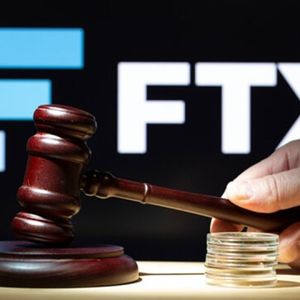
In a significant development for the global crypto landscape, US law firm Fenwick & West has agreed to a US$54 million settlement concerning its past legal services to the now-defunct FTX exchange. This proposed resolution, filed in a Miami federal court, aims to address claims from FTX customers who accused the Silicon Valley firm of facilitating misconduct that contributed to one of the largest financial frauds in recent history.
What happened
Fenwick & West served as a lead outside counsel for FTX during its rapid ascent to becoming a major global crypto trading platform. Although the law firm denies specific knowledge of the exchange's illicit activities, plaintiffs in a class action lawsuit alleged that Fenwick & West "helped to craft and implement strategies that facilitated FTX's fraud." They argued the firm assisted with regulatory and operational structures that were later linked to the misuse of customer funds.
The US$54 million agreement is currently awaiting approval from US District Judge K. Michael Moore in Miami. Lawyers representing FTX customers, including prominent litigator David Boies, have endorsed the deal, viewing it as a reasonable outcome that avoids potentially protracted and costly litigation. Despite the settlement, Fenwick & West maintains it "was not aware of the fraud at FTX" and stands by the integrity of its legal work.
This settlement is the largest in a second wave of class action resolutions related to FTX. Other notable agreements include an US$11.75 million payment from former FTX auditor Prager Metis and an US$420,000 settlement involving former Miami Heat player Udonis Haslem, who had promoted the exchange.
FTX's collapse in November 2022 sent shockwaves through the digital asset market after revelations that an estimated US$11-$13 billion in customer funds were allegedly diverted to its sister trading firm, Alameda Research. This event wiped an estimated US$200 billion from the global crypto market capitalisation. FTX founder Sam Bankman-Fried was subsequently convicted on fraud and conspiracy charges in 2024 and sentenced to 25 years in prison, a conviction he has since appealed.
Meanwhile, the FTX Recovery Trust has been actively working to reimburse affected creditors through the company's Chapter 11 restructuring process. In March 2026, the estate announced a substantial fourth distribution of approximately US$2.2 billion, bringing cumulative repayments to eligible claimants close to US$10 billion. Reports indicate that several customer classes, including many US-based users, have achieved full or near-full recovery levels under the court-approved repayment plan.
Why it matters for Australian investors
For Australian investors, this settlement underscores the persistent risks and complexities inherent in the global cryptocurrency market. While Fenwick & West is a US firm and the legal action occurred in the US, the allegations of professional services firms potentially facilitating misconduct serve as a reminder of the due diligence required when engaging with any crypto platform, regardless of its perceived legitimacy or size.
Australian investors who may have had funds on FTX directly or through local exchanges acting as intermediaries could be impacted by the ongoing recovery process. While Australian bodies like AUSTRAC regulate local crypto exchanges and ASIC oversees financial services, the global nature of platforms like FTX meant that Australian funds were still exposed to international legal and operational risks. The progress of the FTX Recovery Trust offers some hope for those who lost assets, but the long and arduous process highlights the importance of understanding the regulatory framework and operational security of any platform used.
Consideration of an exchange's legal and audit partners, even if not directly involved in misconduct, forms part of a broader risk assessment. This incident reiterates that even well-established professional organisations can find themselves entangled in the fallout of large-scale financial collapses within the nascent crypto industry. For Australians, this reinforces the need to utilise reputable local exchanges such as CoinSpot, Independent Reserve, Swyftx, or BTC Markets, which operate under Australian regulatory oversight.
Impact on the AUD market
While the direct financial impact of this particular US$54 million settlement on the Australian dollar (AUD) market is likely minimal, the broader implications of the FTX collapse continue to resonate. Events of this magnitude contribute to overall market sentiment, which can indirectly influence AUD-denominated crypto asset prices. A positive step towards resolution and recovery, such as this settlement, could foster a slightly more stable global environment, potentially reducing volatility.
The initial FTX collapse caused significant deleveraging and a flight to safety across global crypto markets, which naturally affected AUD-pegged assets and the valuations of crypto assets held by Australian investors. As the recovery process continues, any significant distributions from the FTX estate could see some funds return to the broader crypto ecosystem, potentially including the AUD market, though this would be diffused and indirect. The Australian Tax Office (ATO) considers cryptocurrencies as property for capital gains tax purposes, meaning any recovered funds, or lack thereof, have direct taxation implications for Australian investors. Therefore, understanding the recovery progress is crucial for tax planning, even if an investment was overseas.
What to watch next
The immediate next step will be the US District Judge K. Michael Moore's decision on whether to approve the US$54 million settlement. Judicial approval will solidify this agreement and allow the funds to contribute to the FTX customer recovery efforts. This approval hinges on whether the judge deems the settlement fair, reasonable, and adequate, particularly for the class of affected FTX customers.
Beyond this, Australian investors should continue to monitor the ongoing efforts of the FTX Recovery Trust. The progress of repayments to creditors and the total percentage of recovered funds are critical indicators. Future distributions, similar to the reported US$2.2 billion announced in March 2026, will be closely watched. These developments provide insight into the potential final recovery rates for affected Australian users and the overall health of the recuperation process.
Furthermore, the outcomes of any remaining legal actions or appeals related to FTX, including Sam Bankman-Fried's appeal of his conviction, will be significant. Each legal resolution, whether a settlement or a court judgment, contributes to the broader understanding of institutional accountability and regulatory gaps that existed prior to FTX's downfall. For Australian investors, this ongoing saga underscores the importance of staying informed about global crypto market developments and maintaining a cautious approach to custodianship and due diligence in this rapidly evolving sector.
Coins covered

Common questions
How does this FTX settlement affect my crypto holdings on Australian exchanges?
The FTX settlement in the US does not directly affect your holdings on Australian exchanges like CoinSpot or Swyftx. These exchanges operate under Australian regulation (AUSTRAC, ASIC). However, the broader FTX collapse and subsequent recovery efforts can influence overall crypto market sentiment, which might indirectly impact the value of assets held on any exchange globally.
If I lost funds on FTX as an Australian, will this US$54 million settlement help me recover them?
If you had funds on FTX and are an eligible claimant, this US$54 million settlement will contribute to the overall pool of funds being recovered by the FTX Recovery Trust. While it's a positive step, the specific amount and timing of any recovery for Australian claimants will depend on the total assets recovered by the Trust and the approved distribution plan, which is a complex, ongoing process.
What are the tax implications in Australia for any recovered FTX funds?
In Australia, the ATO views cryptocurrency as property for capital gains tax (CGT) purposes. If you recover funds from FTX, this could be considered a capital proceeds event. It's crucial to keep detailed records and consult with a tax professional regarding your individual circumstances and how any recovered amounts, or even claiming a capital loss, might impact your Australian tax obligations.
A US law firm settles for US$54M over FTX ties, highlighting ongoing recovery efforts. CoinPulse AU analyses the implications for Australian investors amidst