
Crypto ATM Operator Bitcoin Depot Files for Chapter 11 Bankruptcy
What happened
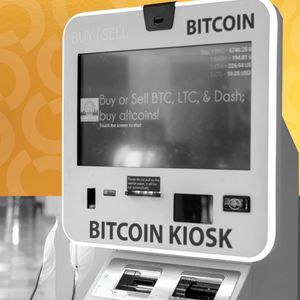
Bitcoin Depot, a prominent Bitcoin ATM operator based in North America, has initiated Chapter 11 bankruptcy proceedings. This significant development for a major player in the crypto ATM space highlights ongoing challenges within the sector. The company's decision to file for bankruptcy was attributed to a combination of factors, primarily a 'hostile regulatory environment' and what it described as an 'unsustainable' business model.
While Bitcoin Depot is a North American entity, its struggles underscore broader pressures faced by businesses operating at the intersection of traditional finance and digital assets. Regulatory scrutiny has intensified globally, impacting how crypto-related services can operate and expand. This often translates into compliance overheads and operational restrictions that can challenge profitability.
The 'unsustainable' business model reference points to potential difficulties in maintaining revenue streams and managing costs in a rapidly evolving market. Bitcoin ATMs, which facilitate the conversion of fiat currency to cryptocurrency and vice-versa, often face higher operational costs compared to online exchanges. This includes physical security, maintenance, and compliance with various local and national financial regulations.
Why it matters for Australian investors
While Bitcoin Depot's bankruptcy directly impacts the North American market, its reasons for failure resonate with challenges and opportunities in Australia's crypto landscape. The 'hostile regulatory environment' cited is a familiar concern for Australian crypto businesses. Regulators like ASIC and AUSTRAC are continually refining their approaches to digital assets, leading to an evolving compliance burden for operators, including Australian exchanges such as CoinSpot, Independent Reserve, Swyftx, and BTC Markets.
Australian investors primarily interact with crypto through these centralised exchanges, rather than ATMs. However, the underlying regulatory sentiment and the desire for consumer protection can influence the services available and the operational costs passed on to users. A strong regulatory framework, while potentially onerous for businesses, also offers a degree of investor confidence, which is crucial for market maturity.
Furthermore, the concept of an 'unsustainable' business model touches upon the long-term viability of different crypto-related services. Australian investors benefit from a diverse and competitive exchange market. This competition helps drive innovation and competitive pricing, but also means only robust and well-managed businesses are likely to thrive. The struggles of an ATM operator serve as a reminder that not all crypto business models are equally resilient.
Impact on the AUD market
Directly, Bitcoin Depot's bankruptcy will have minimal immediate impact on the Australian dollar (AUD) crypto market. Australian investors predominantly use local exchanges or global platforms that support AUD pair trading for their cryptocurrency transactions. These platforms, such as CoinSpot or Independent Reserve, are regulated under Australian law and are not directly intertwined with the operational health of North American ATM networks.
Indirectly, the news could contribute to a broader sentiment check within the global crypto industry. When a significant player, even in a niche segment, faces financial difficulties, it can prompt a re-evaluation of business models and regulatory risks across the ecosystem. This might lead to heightened scrutiny from Australian regulators or inspire new compliance initiatives, potentially affecting local operators and, by extension, the AUD crypto market's liquidity or fee structures.
However, it's essential to remember the AUD crypto market's resilience. Despite global fluctuations and company-specific challenges abroad, Australian exchanges continue to operate under AUSTRAC's AML/CTF regulations, ensuring a degree of stability and investor protection. The focus for Australian investors remains on the performance of their chosen assets and the reliability of their preferred trading platforms, rather than the operational issues of offshore ATM providers.
What to watch next
For Australian investors, the key area to monitor will be the evolving regulatory landscape both domestically and internationally. While Bitcoin Depot's situation is specific, the underlying themes of regulatory pressure and business model viability are universal. Australian legislative bodies and regulators like ASIC are continuing their work on digital asset frameworks, and their decisions could shape the future of crypto services available Down Under.
Keep an eye on how Australian exchanges respond to any new regulatory guidance. Their ability to adapt and innovate while maintaining compliance is crucial for the health of the local market. This includes their approach to security, user experience, and the range of cryptocurrencies offered. Any significant shifts in their operations or service offerings could impact Australian investors directly.
Finally, observe the broader crypto market's reaction to such news. While Bitcoin Depot's bankruptcy is unlikely to cause a major market downturn, sustained periods of negative news concerning global crypto businesses could dampen overall investor sentiment. For Australian investors, this means staying informed about global market trends and considering their personal risk tolerance in light of broader industry developments. Taxation of crypto in Australia, as guided by the ATO, also remains a constant consideration for all investors, irrespective of international business failures.
Coins covered

Common questions
Are Bitcoin ATMs available in Australia, and how are they regulated?
Yes, Bitcoin ATMs do exist in Australia, though they are not as widespread as online exchanges. Operators of these ATMs are considered Digital Currency Exchange (DCE) providers and are required to register with AUSTRAC (Australian Transaction Reports and Analysis Centre) and comply with Anti-Money Laundering/Counter-Terrorism Financing (AML/CTF) obligations. This ensures a level of oversight for transactions.
How does this North American bankruptcy affect my crypto holdings on Australian exchanges like CoinSpot or Swyftx?
This North American bankruptcy has no direct impact on your crypto holdings on Australian exchanges. Australian exchanges like CoinSpot, Independent Reserve, Swyftx, and BTC Markets operate independently under Australian regulatory frameworks and are not connected to the operational or financial health of offshore Bitcoin ATM operators. Your assets are held and managed by your chosen Australian platform.
What should Australian investors consider regarding 'hostile regulatory environments' for crypto businesses?
Australian investors should be aware that regulatory environments for crypto are still evolving globally. While Australia has a foundational framework through AUSTRAC, new rules or interpretations from ASIC and other bodies can impact how crypto businesses operate. It's prudent to choose exchanges and services that demonstrate strong compliance, transparency, and a clear understanding of Australian financial regulations, ensuring better protection for your investments.
Bitcoin Depot, a major crypto ATM operator, filed for bankruptcy citing regulatory hostility. Learn how this impacts Australian investors and the AUD market.