
British Olympian CJ Ujah Appears at Court in Crypto Fraud Case
What happened
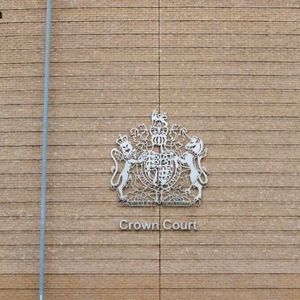
British Olympic sprinter CJ Ujah, alongside nine other individuals, recently appeared in a UK court on May 28. They are facing charges related to their alleged involvement in an organised cryptocurrency fraud scheme. These proceedings mark a significant development in the broader crackdown on illicit activities within the digital asset space.
The allegations centre on Ujah's purported membership in an organised crime group. This group is accused of orchestrating a cryptocurrency scam, exploiting the growing interest in digital assets. While specific details of the alleged scam, such as the type of cryptocurrency involved or the methods used, have not been made public through the source, the court appearance signals a serious investigation.
This case highlights the increasing scrutiny from law enforcement globally on fraudulent schemes leveraging the anonymity and complexity often associated with crypto transactions. Authorities are enhancing their capabilities to track and prosecute individuals involved in such activities, irrespective of their public profile. The legal process is now underway, and further details are expected to emerge as the case progresses through the UK judicial system.
Why it matters for Australian investors
While this particular case unfolds in the UK, its implications resonate deeply within the Australian crypto market. Such high-profile fraud allegations underscore the persistent risks associated with digital asset investments, even for experienced participants. Australian investors, whether engaging with local exchanges like CoinSpot, Independent Reserve, Swyftx, or BTC Markets, or utilising international platforms, need to maintain a high degree of vigilance.
Fraudulent schemes don't respect international borders; tactics used abroad are often replicated here. The Australian Securities and Investments Commission (ASIC) and the Australian Transaction Reports and Analysis Centre (AUSTRAC) consistently warn about these risks, emphasising the importance of due diligence. An Olympian's alleged involvement serves as a potent reminder that appearances can be deceiving, and no individual's reputation should be solely relied upon when making investment decisions.
For Australian investors, the takeaway is clear: always prioritise robust security practices and conduct thorough research before committing funds. Understand the project, the team behind it, and the underlying technology. Be wary of unsolicited offers, promises of unrealistic returns, and pressure to act quickly. The ATO's stance on crypto as an asset for tax purposes also means that any losses incurred from scams must be accurately reported, though recovering scammed funds can be exceptionally difficult.
Impact on the AUD market
The direct impact of this specific UK court case on the AUD-denominated crypto market is likely to be indirect rather than immediate or substantial. Australian investors often react to global sentiment and major international developments in the crypto space. Broad news of fraud or significant enforcement actions can contribute to general market caution, potentially leading to short-term dips in investor confidence across all major cryptocurrencies, including those traded against the AUD.
However, the Australian crypto market, while growing, has demonstrated a degree of resilience and unique characteristics. Local exchanges are subject to Australian regulations and are increasingly implementing robust Know Your Customer (KYC) and Anti-Money Laundering (AML) procedures, often working closely with AUSTRAC. This local regulatory environment aims to build a more secure ecosystem for Australian participants, distinguishing it somewhat from less regulated international locales.
Nonetheless, pervasive reports of crypto fraud, regardless of location, reinforce the need for stronger regulatory frameworks globally. For the AUD market, this could accelerate calls for more defined local regulations, potentially impacting how Australian exchanges operate or increasing compliance burdens. Such measures, while potentially seen as restrictive by some, are ultimately designed to protect investors and maintain the integrity of the market against the backdrop of ongoing criminal activity.
What to watch next
Australian investors should monitor the progression of the CJ Ujah case and similar high-profile fraud investigations globally. These cases often reveal new modus operandi used by scammers, providing valuable insights into emerging threats. Understanding these tactics can help individuals better protect themselves and identify red flags in their own investment activities.
Domestically, keep an eye on announcements from ASIC and AUSTRAC. Regulators are constantly evolving their strategies to combat crypto-related crime and protect Australian consumers. Any new guidelines, warnings, or enforcement actions from these bodies could directly influence the operational landscape for Australian crypto businesses and the security measures recommended for investors.
Furthermore, observe the broader regulatory developments in the UK and other major jurisdictions. Global regulatory trends often set precedents that eventually influence Australian policy. Progress towards clearer crypto regulation, whether in terms of consumer protection, market integrity, or anti-money laundering, will have a long-term impact on the safety and stability of the digital asset market for Australian participants. A more regulated, transparent environment generally fosters greater investor confidence and reduces the appeal for illicit activities.
Coins covered

Common questions
How can Australian investors verify the legitimacy of a crypto project or exchange?
Australian investors should always conduct thorough research. Check if an exchange is registered with AUSTRAC and if any warnings have been issued by ASIC. Look for transparent teams, clear whitepapers, and active, reputable community engagement. Be sceptical of projects promising guaranteed or unusually high returns.
What support is available for Australian crypto investors who suspect they've been scammed?
If you suspect you've been scammed, contact your financial institution immediately. Report the incident to Scamwatch (ACCC) and consider filing a report with the Australian Federal Police (AFP) or your state's police force. While recovery isn't guaranteed, reporting helps authorities track and potentially disrupt these operations.
How does the ATO treat losses from crypto scams for tax purposes in Australia?
The ATO generally treats cryptocurrency as an asset for capital gains tax (CGT) purposes. If you incur a loss due to a scam, it may be considered a capital loss. However, you must be able to demonstrate the original purchase and the loss to the ATO, and claiming a capital loss does not necessarily mean you will recover lost funds.
British Olympian CJ Ujah in UK court for alleged crypto fraud. Get the Australian investor perspective; implications for AUD market, and what to watch next.