
Bitfinex Analysts Warn $85,900 BTC Resistance Could Cap Any Recovery Rally
What happened
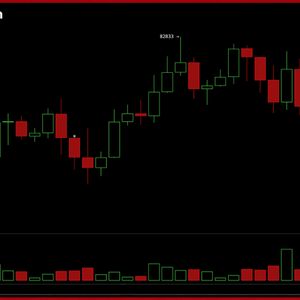
Bitcoin (BTC) experienced a significant downturn, with long positions totalling US$584 million liquidated in a single trading session. This substantial sell-off was attributed to a combination of escalating geopolitical tensions and an uptick in US Treasury yields, factors that collectively pressured asset prices across the board. The cryptocurrency's price action saw it test a critical on-chain support level, specifically the May monthly open. This level is often watched by analysts as it can indicate a potential shift in market sentiment or a continuation of existing trends.
Analysts from Bitfinex, a prominent cryptocurrency exchange, have highlighted a key resistance level at US$85,900. They caution that this price point could act as a ceiling, potentially limiting any recovery rallies in the near term. Such resistance levels are derived from technical analysis, often based on historical price data, volume profiles, or significant Fibonnaci retracement levels. The implication for traders is that breaking above this level would require substantial buying pressure and a shift in fundamental market conditions.
The broader market sentiment has been further influenced by external macroeconomic and geopolitical events. High-profile figures, such as former US President Donald Trump, have also publicly commented on market conditions, which can, at times, contribute to market volatility and investor uncertainty. The interplay between these global macro factors and the crypto market underscores the increasing integration of digital assets into the wider financial ecosystem.
Why it matters for Australian investors
Australian investors are not immune to global market movements, and this recent BTC price action serves as a crucial reminder of cryptocurrency's volatility. When large liquidation events occur, they can trigger cascading effects, impacting liquidity and potentially leading to broader market sell-offs. For those holding Bitcoin or other digital assets through Australian exchanges like CoinSpot, Independent Reserve, Swyftx, or BTC Markets, understanding these price dynamics is essential for managing portfolio risk.
The US$85,900 resistance level identified by Bitfinex analysts, while quoted in USD, translates directly to AUD-denominated Bitcoin prices for Australian investors. A strong resistance in the global market often means a similar cap on AUD pricing. Investors need to consider how these global technical indicators might influence the AUD-BTC trading pairs available on local platforms. Monitoring these levels can help in making informed decisions about entry and exit points.
Furthermore, geopolitical pressures and rising Treasury yields in the US have a ripple effect on global asset classes, including those relevant to the Australian economy. A flight to safety, where investors move capital out of riskier assets like cryptocurrencies and into more traditional safe havens like government bonds, can occur. For Australian investors, this context is vital when assessing their overall investment strategy and considering the diversification of their portfolios. The ATO's tax treatment of cryptocurrency, which often views it as property for Capital Gains Tax (CGT) purposes, means that price fluctuations directly impact potential tax obligations, making prudent investment decisions even more critical.
Impact on the AUD market
The AUD-denominated Bitcoin market directly mirrors the international movements, albeit with the added layer of the AUD/USD exchange rate. When Bitcoin faces significant liquidation pressure globally, its price on Australian exchanges will typically follow suit. The US$584 million in long liquidations translates to a substantial dollar value in the Australian market when converted, affecting the capital holdings of many local investors and traders. This demonstrates the interconnectedness of the global crypto market.
Australian digital asset exchanges and over-the-counter (OTC) desks will observe increased volatility during such periods. While AUSTRAC ensures compliance with anti-money laundering (AML) and counter-terrorism financing (CTF) regulations, and ASIC provides regulatory oversight on financial products, these bodies primarily focus on operational integrity and consumer protection. They do not stabilise market prices, leaving investors to navigate volatility based on market forces and individual risk appetites.
For Australian businesses involved in the crypto space, such as those accepting Bitcoin for payments or engaging in institutional trading, sharp market movements can impact their balance sheets and operational stability. Hedging strategies might become more prevalent during periods of high uncertainty. The long-term impact on the AUD market will depend on how quickly Bitcoin can recover and whether investor confidence returns, particularly given the backdrop of global economic conditions.
What to watch next
Australian investors should closely monitor Bitcoin's ability to overcome the US$85,900 resistance level. A sustained break above this point could signal a stronger recovery rally, while a rejection could indicate prolonged consolidation or further downside pressure. Observing trading volumes on major Australian exchanges can also provide insights into local market sentiment and conviction for any impending moves. High volume accompanying a price rally often lends credibility to the move.
Keep an eye on key macroeconomic indicators, particularly those originating from the US, such as inflation data, interest rate decisions by the Federal Reserve, and ongoing geopolitical developments. These factors have a proven track record of influencing cryptocurrency prices. Any shifts in global financial stability or investor appetites for risk could significantly alter Bitcoin's trajectory. The increasing correlation between traditional markets and crypto means these external factors are more relevant than ever.
For Australian investors, it's also important to stay informed about local regulatory developments from ASIC and AUSTRAC. While the core price action is global, regulatory clarity or changes within Australia can impact how digital assets are traded, held, and taxed, directly affecting investment strategies. For instance, any new guidelines on staking, DeFi, or stablecoins could alter the risk-reward profile of different crypto assets for Australian participants. Staying abreast of these interconnected factors will be crucial for informed decision-making in the dynamic Australian crypto landscape.
Coins covered

Common questions
How does global Bitcoin price resistance impact my Australian crypto portfolio?
Global Bitcoin price resistance levels, such as the US$85,900 mark identified by analysts, directly influence the AUD-denominated price of Bitcoin on Australian exchanges. If Bitcoin struggles to break through resistance internationally, this typically translates to a similar upward limit for the price you see and trade in Australian dollars. This dynamic is crucial for Australian investors to understand as it can affect potential profits or losses and guide decisions on when to buy or sell.
Are Australian crypto exchanges like CoinSpot or Swyftx protected from large Bitcoin price drops?
Australian crypto exchanges like CoinSpot, Independent Reserve, Swyftx, and BTC Markets are not immune to large Bitcoin price drops. While these platforms provide the infrastructure for trading and comply with Australian regulations set by AUSTRAC, the underlying asset's value is subject to global market forces. When Bitcoin's price falls internationally, its value on Australian exchanges will also decrease. Australian regulations focus on operational integrity and consumer protection rather than shielding investors from market volatility.
What impact do US Treasury yields and geopolitical events have on Australian crypto taxes?
Movements in US Treasury yields and geopolitical events can indirectly impact Australian crypto taxes by influencing the market value of your cryptocurrency holdings. If these factors lead to a significant drop in Bitcoin's price, and you sell your assets, it could result in a capital loss that you might be able to use to offset other capital gains. Conversely, if these events drive prices up and you sell for a profit, you'll be liable for Capital Gains Tax (CGT) as per ATO guidelines. Understanding these global market drivers helps in strategic tax planning related to your crypto investments.
Are Australian crypto exchanges like CoinSpot or Swyftx protected from large Bitcoin price drops?
Australian crypto exchanges like CoinSpot, Independent Reserve, Swyftx, and BTC Markets are not immune to large Bitcoin price drops. While these platforms provide the infrastructure for trading and comply with Australian regulations set by AUSTRAC, the underlying asset's value is subject to global market forces. When Bitcoin's price falls internationally, its value on Australian exchanges will also decrease. Australian regulations focus on operational integrity and consumer protection rather than shielding investors from market volatility.
Bitfinex analysts warn of a US$85,900 Bitcoin resistance. Discover what these global price pressures mean for Australian investors.