
Bitcoin Reclaims $77K as Realized Cap Stabilizes and RHODL Ratio Hits Cycle Extreme
What happened
Bitcoin has recently seen a significant price recovery, pushing back above the US$77,000 mark. This rebound follows what appears to be the most substantial price correction observed since Bitcoin's all-time high achieved in October. On-chain analysis indicates that this recent downturn may have found its floor around the US$60,000 level, drawing parallels to a similar dip experienced in February.
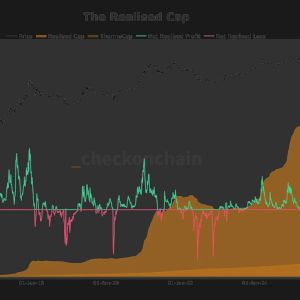
Several key on-chain metrics are signalling this potential market bottom. The Realised Cap, which represents the aggregate cost basis of all bitcoins in circulation, has shown signs of stabilisation. This metric is often viewed as a reliable indicator of long-term holder behaviour and overall market sentiment, suggesting that investors are holding onto their positions rather than selling at a loss.
Adding to this perspective, the Realised HODL Ratio (RHODL Ratio) has reached an extreme not seen since previous market cycles. This ratio compares the 1-week Realised Cap to the 1-year Realised Cap, in essence highlighting the ratio of short-term holder wealth to long-term holder wealth. A high RHODL Ratio can indicate that a significant portion of the market's value is concentrated in the hands of short-term holders, often preceding a market rebound.
Why it matters for Australian investors
For Australian investors, Bitcoin's price movements have direct implications for their portfolios and investment strategies. While Bitcoin's price is predominantly quoted in USD globally, its AUD equivalent can fluctuate significantly due to the AUD/USD exchange rate. A strong Bitcoin rebound could translate into substantial gains when converted back to Australian dollars, impacting local investment returns.
Australian crypto exchanges like CoinSpot, Independent Reserve, Swyftx, and BTC Markets all list Bitcoin, allowing local investors to easily buy and sell the digital asset. The stability and subsequent recovery indicated by these on-chain metrics could instil renewed confidence among Australian investors who may have felt the pinch of the recent correction. This positive sentiment could encourage new entrants to the market or existing holders to re-evaluate their positions.
Understanding these on-chain indicators can provide Australian investors with deeper insights beyond mere price charts. It helps in assessing the underlying health of the Bitcoin network and the conviction of long-term holders. This information is crucial for making informed decisions, especially considering the current regulatory environment in Australia, where bodies like AUSTRAC oversee crypto transactions and the ATO provides guidelines for tax treatment of digital assets.
Impact on the AUD market
The performance of Bitcoin, the largest cryptocurrency by market capitalisation, often influences the broader Australian digital asset market. A robust Bitcoin recovery can trickle down to other cryptocurrencies, potentially boosting the overall market sentiment among Australian traders and investors. This ripple effect can be observed across various altcoins available on Australian platforms.
An uptick in Bitcoin's price can also lead to increased trading volumes on Australian exchanges. Higher trading activity can indicate greater market participation and liquidity, which are healthy signs for any financial market. This heightened interest can lead to a more dynamic and mature Australian crypto ecosystem.
For Australian investors, tracking Bitcoin's movements in conjunction with the AUD/USD rate is paramount. A strong Bitcoin surge coupled with a strengthening Australian dollar could amplify returns, while a weaker AUD could somewhat temper those gains. This interplay highlights the importance of a holistic view of both global crypto trends and local macroeconomic factors.
Furthermore, sustained positive momentum could renew interest in Bitcoin as a legitimate asset class within Australia. This could potentially influence further discussions and developments around cryptocurrency regulation by ASIC and other governmental bodies, aiming to provide clearer frameworks for consumer protection and market integrity.
What to watch next
Australian investors should continue to monitor Bitcoin's on-chain metrics closely, as they offer predictive insights into market sentiment and potential future movements. Key indicators such as the Realised Cap and the RHODL Ratio will provide ongoing clues regarding the market's stability and the conviction of long-term holders. A sustained upward trend in the Realised Cap suggests continued accumulation, while a re-evaluation of the RHODL Ratio could signal changes in market dynamics.
Beyond on-chain data, global macroeconomic factors will continue to play a crucial role. Interest rate decisions by major central banks, inflation data, and broader geopolitical events can all influence investor appetite for risk assets like Bitcoin. Australian investors should also consider how these global developments might impact the AUD/USD exchange rate, which directly affects local Bitcoin valuations.
Domestically, keeping an eye on regulatory developments from ASIC and AUSTRAC is always advisable. Clarity on taxation from the ATO and any new guidelines for Australian crypto businesses could significantly impact the local investment landscape. Understanding these local regulatory nuances is essential for compliant and successful crypto investing in Australia.
Finally, market sentiment from major financial institutions and institutional adoption will remain a significant driver. Broader acceptance and integration of Bitcoin into traditional finance could provide further demand. Australian investors should diversify their information sources, combining technical analysis, on-chain data, and fundamental news to make well-informed decisions in this dynamic market.
Coins covered

Common questions
How does Bitcoin's price recovery affect my Australian crypto portfolio?
A Bitcoin price recovery typically has a positive ripple effect across the broader crypto market. For Australian investors, this means the AUD value of their Bitcoin holdings will increase, and often, other cryptocurrencies in their portfolio may also see price appreciation. This can lead to overall portfolio growth when valued in Australian dollars.
Where can Australian investors track Bitcoin's on-chain metrics?
Australian investors can track Bitcoin's on-chain metrics through various reputable crypto analytics platforms and data providers. Many of these platforms offer free basic data, while more in-depth insights and advanced metrics may require subscriptions. While CoinPulse AU does not provide these tools directly, a quick search for 'Bitcoin on-chain analytics' will reveal several excellent resources.
Are there any Australian regulations that impact investing based on Bitcoin's on-chain data?
While there aren't specific Australian regulations dictating how investors use on-chain data, AUSTRAC monitors transactions for anti-money laundering (AML) and counter-terrorism financing (CTF) purposes, and ASIC is involved in consumer protection and market integrity. The ATO also requires all crypto gains and losses to be reported for tax purposes. These regulations apply regardless of the analytical methods an investor uses, meaning all trading activity must comply with Australian law.
Bitcoin reclaims US$77K as on-chain data hints at market bottom. Discover what this means for Australian investors and the AUD crypto market.