
Bitcoin ETF outflows reach record nine-day streak as investors pull $2.8 billion
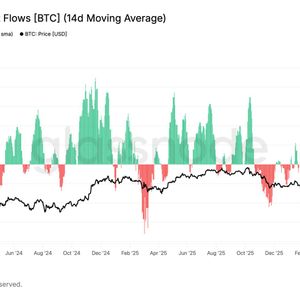
What happened
Bitcoin exchange-traded funds (ETFs) in the United States have recently experienced an unprecedented sustained period of outflows, marking the longest continuous withdrawal streak since their inception in January 2024. Investors have pulled approximately US$2.8 billion from these investment vehicles over a nine-day period. This significant movement has occurred while sectors like artificial intelligence (AI) and semiconductor stocks have seen remarkable performance, potentially drawing capital away from the crypto market.
The launch of spot Bitcoin ETFs earlier this year was a landmark event for the cryptocurrency industry, offering mainstream investors a regulated and accessible way to gain exposure to Bitcoin without directly holding the digital asset. These ETFs initially saw substantial inflows, contributing to Bitcoin's price appreciation. However, the recent trend indicates a shift in investor sentiment, with capital flowing out of these products for a sustained duration.
This marks a notable divergence from the initial enthusiasm surrounding these investment products. While the exact reasons for the outflows are multifaceted, the strong performance of traditional tech sectors appears to be playing a role. Investors may be reallocating capital to segments of the market demonstrating robust growth and returns, particularly in the current economic climate.
Why it matters for Australian investors
For Australian investors, the performance of US-based Bitcoin ETFs is an important indicator, even without direct local equivalents. The global interconnectedness of the crypto market means that significant movements in major markets, such as the US, often have ripple effects globally. While Australia does not yet have spot Bitcoin ETFs, the sentiment indicated by these US outflows can influence Bitcoin's price, which in turn affects the value of Australian holdings on platforms like CoinSpot, Independent Reserve, Swyftx, and BTC Markets.
Australian investors currently gain exposure to Bitcoin through direct purchases on local exchanges or via limited unlisted funds. The absence of spot Bitcoin ETFs in Australia means local investors are not directly subject to these particular outflow pressures. However, if the trend in the US signals broader market nervousness or a shift away from high-beta assets, it could translate to weaker demand and price activity for Bitcoin globally, impacting Australian portfolios.
Furthermore, the regulatory environment in Australia, governed by entities like ASIC and AUSTRAC, watches global developments closely. The experience of US Bitcoin ETFs, both positive and negative, can inform future regulatory decisions regarding similar products in Australia. Any slowdown in Bitcoin's global momentum could also influence the ATO's taxation considerations for crypto assets, though current tax treatment remains consistent.
Impact on the AUD market
While there isn't a direct AUD-denominated spot Bitcoin ETF market to experience these outflows, the impact on Bitcoin's price can certainly be felt by Australian investors trading in AUD. A global decrease in Bitcoin's price, influenced by US ETF movements, means that the AUD equivalent value of Bitcoin holdings would also decline. This affects both retail and institutional investors in Australia who hold Bitcoin as part of their diversified portfolios.
Australian cryptocurrency exchanges typically list Bitcoin against the AUD. Therefore, any downward pressure on Bitcoin's global price will directly translate into a lower AUD/BTC exchange rate. Australian traders might find it harder to exit positions at desired price points, and those looking to enter the market might find better entry opportunities if prices soften due to these global pressures.
Moreover, a sustained downturn could cool local investor enthusiasm, potentially leading to reduced trading volumes on Australian platforms. This could impact the overall liquidity of the AUD-denominated crypto market. Businesses within the Australian crypto ecosystem, from exchanges toblockchain service providers, would monitor such trends closely as they signal broader market health.
What to watch next
Investors should closely monitor the trajectory of these US spot Bitcoin ETFs. A reversal of the outflow trend could signal renewed institutional and retail interest, potentially providing upward momentum for Bitcoin's price globally. Conversely, a continuation of sustained outflows might indicate a longer-term shift in investment preferences, possibly towards traditional asset classes or other high-growth sectors.
Globally, the upcoming US macroeconomic data, including inflation reports and interest rate decisions, will likely play a role in investor sentiment towards risk assets like Bitcoin. If inflation remains sticky or interest rates stay higher for longer, it could continue to favour less volatile investments or those with more predictable earnings, such as AI and semiconductor stocks.
For Australian investors, keeping an eye on the broader market sentiment, alongside local regulatory discussions surrounding crypto ETFs, is crucial. While Australian regulators like ASIC have been cautious, global trends often influence local policy developments. Understanding these dynamics will be key to navigating the evolving cryptocurrency landscape and making informed investment decisions in Australia. The performance of these ETFs remains a bellwether for Bitcoin's mainstream acceptance and investment viability.
Coins covered

Common questions
How do US Bitcoin ETF outflows affect my crypto holdings on Australian exchanges?
Significant outflows from US Bitcoin ETFs can put downward pressure on Bitcoin's global price. Since Australian exchanges like CoinSpot, Independent Reserve, Swyftx, and BTC Markets list Bitcoin against the AUD, a global price drop will directly reduce the AUD value of your Bitcoin holdings, even though you're not directly invested in the US ETFs.
Does Australia have its own spot Bitcoin ETFs, and are they experiencing similar issues?
Currently, Australia does not have spot Bitcoin ETFs that directly hold Bitcoin. While there are some unlisted crypto funds and exchange-traded products that track crypto, they are not subject to the same pressures as the US spot Bitcoin ETFs. Any major regulatory changes or introduction of such products in Australia would be widely publicised by ASIC.
What is the Australian Tax Office's (ATO) stance on Bitcoin investments during market downturns?
The ATO treats cryptocurrency as property for capital gains tax (CGT) purposes. If the value of your Bitcoin holdings decreases, you may realise a capital loss if you sell or dispose of your crypto. This loss can potentially be used to offset other capital gains. It's important to keep accurate records of all your crypto transactions for tax purposes, regardless of market fluctuations.
US Bitcoin ETF outflows hit record streak, impacting global crypto sentiment. CoinPulse AU analyses what this means for Australian investors and the AUD marke