
Banca Sella gets green light to provide crypto services to customers in Italian first
What happened
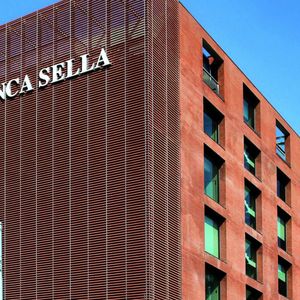
Banca Sella, a private bank known for its embrace of financial technology, has made headlines as the first Italian financial institution to receive regulatory approval to provide cryptocurrency services to its customers. This significant development comes under the European Union's Markets in Crypto-Assets (MiCA) regulation, signalling a new era for crypto integration within traditional banking in Europe. The Bank of Italy, the nation's central bank, granted this approval, allowing Banca Sella to offer services including the custody and transfer of digital assets.
This move by Banca Sella positions it as a pioneering entity within the Italian banking sector. By securing this regulatory green light, the bank can now formally integrate crypto offerings into its suite of financial products. This provides a regulated pathway for its clientele to engage with digital assets, potentially reducing some of the perceived risks associated with the nascent crypto market.
The approval under MiCA is a crucial detail. MiCA is a comprehensive regulatory framework designed to bring digital assets under a more standardised and supervised regime across the EU. For institutions like Banca Sella, compliance with MiCA provisions means operating within clearly defined legal parameters, which can enhance client trust and facilitate broader adoption of crypto services within a traditional finance context.
Why it matters for Australian investors
While Banca Sella's approval is specific to Italy and the EU's MiCA framework, its implications resonate globally, including for Australian investors. This event serves as a strong indicator of the growing trend towards crypto integration within established financial systems worldwide. For Australian investors, it highlights the potential trajectory for crypto in our own regulated financial landscape.
Regulatory clarity and institutional engagement overseas often precede similar developments domestically. Australian crypto investors and enthusiasts are keenly watching how global regulators like the Bank of Italy approach digital assets, as these precedents can influence ASIC and AUSTRAC's future directives. A more regulated and institutionalised crypto market in major global economies can foster greater confidence, stability, and potentially reduce volatility, which benefits all participants.
Furthermore, the provision of regulated crypto custody and transfer services by a traditional bank could set a benchmark for what Australian financial institutions might offer in the future. Imagine leading Australian banks or investment platforms eventually providing direct, regulated access to digital assets alongside traditional holdings. This could simplify access for many Australians currently navigating the diverse offerings of local exchanges like CoinSpot, Independent Reserve, Swyftx, and BTC Markets.
Impact on the AUD market
The direct impact on the Australian dollar (AUD) market from Banca Sella's move is likely indirect but significant over the long term. Increased institutional adoption of cryptocurrencies globally can bolster the overall legitimacy and stability of the crypto market. This, in turn, could subtly influence Australian investment patterns and capital flows.
As more traditional financial players enter the crypto space, it could lead to increased liquidity and a more mature market. For Australian investors trading crypto pairs against the AUD, such as BTC/AUD or ETH/AUD on local exchanges, this broader market normalisation could lead to more efficient pricing and potentially reduced spreads. It underscores the global nature of crypto, where significant developments in one region can ripple out.
Moreover, the successful integration of crypto services by a reputable Italian bank might encourage Australian financial services organisations to accelerate their own exploration and adoption of digital asset offerings. This could lead to a more robust and competitive local market for crypto-related services, offering Australian investors more choices and potentially better service. It could also influence discussions around how crypto assets are treated for tax purposes by the ATO, particularly as their integration into traditional finance becomes more seamless.
What to watch next
The key takeaway for Australian investors is the ongoing global push towards regulatory clarity and institutional involvement in cryptocurrencies. Watch for similar announcements from other tier-one financial institutions in major economies. The pace and nature of these approvals will provide insights into the evolving global regulatory landscape.
Domestically, pay close attention to any policy updates from ASIC and AUSTRAC regarding digital asset regulation in Australia. As overseas markets mature under frameworks like MiCA, there will be increasing pressure and precedent for Australia to further refine its own regulatory approach. Discussions around licencing, custody standards, and consumer protection for digital assets will be paramount.
Observe how Australian financial institutions, from major banks to investment funds, respond to these global trends. Will we see more traditional players in Australia begin to explore offering regulated crypto products or services to their clients? Their entry could significantly change the accessibility and perceived risk profile of digital assets for everyday Australian investors.
Finally, monitor the user adoption and product offerings of Banca Sella itself. Success in Italy could provide a blueprint for other banks looking to enter the crypto market, influencing the types of services (e.g., direct crypto purchasing, staking through a bank, crypto-backed lending) that might eventually become available to Australian investors through familiar financial channels. The journey to mainstream crypto adoption is a global one, and each step by a traditional player is a signpost for the future.
Coins covered


Common questions
How does the Bank of Italy's approval impact ATO tax treatment of crypto in Australia?
While the Bank of Italy's approval is a foreign regulatory development, it signals a global trend towards mainstreaming crypto. This doesn't directly change ATO tax rules for crypto in Australia, which consider crypto assets as property for Capital Gains Tax (CGT) purposes. However, increasing institutional adoption globally could subtly influence future ATO guidance as crypto becomes more integrated into traditional finance.
Could Australian banks offer similar crypto services like Banca Sella?
Yes, it's plausible. As global precedents emerge for traditional banks offering crypto services under regulatory frameworks like MiCA, Australian banks may feel encouraged or pressured to explore similar offerings. This would require guidance and potential licensing from Australian regulators like ASIC and AUSTRAC, but the global trend suggests it's a possibility for the future.
Is the MiCA regulation relevant to Australian crypto exchanges?
MiCA is a European Union regulation, so it doesn't directly apply to Australian crypto exchanges like CoinSpot or Independent Reserve. However, global regulatory developments like MiCA often serve as benchmarks or influence discussions in other jurisdictions, including Australia. Australian regulators may observe MiCA's implementation to inform their own approach to digital asset regulation, which could indirectly affect local exchanges.
Italian bank Banca Sella gains approval for crypto services under MiCA. Discover what this landmark decision means for Australian investors and the local AUD