
Almost all of Trump's illegal stock market trades were made after he struck Iran
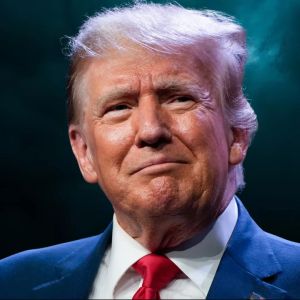
Donald Trump's recent financial disclosures have unveiled a flurry of stock market activity, sparking significant discussion across financial circles. The filings, which revealed 3,711 trades, predominantly in American company shares, have drawn attention due to their unprecedented volume and timing. This surge in trading, particularly in March, following specific geopolitical events, prompts a closer look at the mechanisms behind these high-frequency transactions and their potential implications.
The sheer scale of these trades, vastly exceeding Trump's usual hundreds, suggests a departure from conventional personal investment strategies. Experts are scrutinising the nature of these transactions, with some indicating characteristics more akin to automated portfolio management rather than individual stock picking. This comprehensive analysis delves into the details of these disclosures, their broader market context, and what Australian investors can glean from this high-profile financial activity.
What happened
Donald Trump's latest financial disclosure highlighted an extraordinary 3,711 stock trades, a significant leap from his typical hundreds. These transactions predominantly involved shares in American companies, many of which can be influenced by federal policy decisions spanning defence, taxation, energy, and regulation. A substantial portion, over 2,000 trades, occurred in March, shortly after the US's involvement in Iran.
The volume and nature of these trades have led market observers to suggest the activity points towards automated portfolio trading. This theory is supported by observations such as the buying and selling of the same securities multiple times within a single day and the apparent sale of weaker holdings for tax-loss harvesting purposes. The Trump Organisation has affirmed that Trump himself was not directly responsible for these trades, attributing them to external financial firms managing his assets through "automated, model-based portfolios and direct indexing strategies."
Further analysis indicates a strong correlation between the trading activity and major index rebalancings. For instance, many trades coincided with the rebalancing of prominent indices like the S&P 500, S&P 600, S&P 400, and S&P 100, as well as changes within FTSE Russell indexes. Approximately 90% of the individual stocks listed in the filing aligned with the Russell 3000 Index, reinforcing the theory of an index-linked system driving these transactions.
Adding another layer of complexity, specific clusters of trades were observed on days marked by market downturns. For example, 155 trades occurred on February 12 and 124 on March 18, both days when the S&P 500 experienced declines exceeding 1%. This pattern suggests that some transactions might have been strategically executed for tax reasons, such as disposing of assets to realise losses. A particularly contentious aspect of the filing involved 625 trades labelled "unsolicited," meaning they were not initiated by the broker. These unsolicited trades, mostly purchases, surged in March, particularly on the first market day following the US's actions concerning Iran, appearing less orderly than the index-related activity.
Why it matters for Australian investors
The revelations from Trump's financial filings, while originating in the US, offer valuable insights for Australian investors, particularly concerning automated trading strategies and market transparency. The sheer volume and speed of these transactions underscore the increasing prevalence of algorithmic trading and its impact on market dynamics. For Australian investors, understanding how large portfolios, including those of high-net-worth individuals, are managed through automated systems can inform their own approaches to diversification and risk management.
The discussion around tax-loss harvesting, hinted at by the selling of weaker assets during downturns, resonates with the Australian tax landscape. Australian investors are subject to Capital Gains Tax (CGT) on crypto assets, and understanding strategies like tax-loss harvesting – where capital losses can offset capital gains – is crucial. While the specifics of Trump's situation are US-centric, the underlying principles of managing a portfolio for tax efficiency are universal. The Australian Tax Office (ATO) provides clear guidelines on how crypto is treated for tax purposes, and staying informed about these rules is paramount for local investors.
Furthermore, the case highlights the importance of market disclosure and regulatory oversight. The filing was made under the US STOCK Act, designed to ensure transparency in the financial dealings of public officials. In Australia, regulatory bodies like ASIC (Australian Securities and Investments Commission) and AUSTRAC (Australian Transaction Reports and Analysis Centre) play a vital role in maintaining market integrity and preventing illicit financial activities. While the Australian crypto market is evolving, the principles of transparency and adherence to regulatory frameworks are equally, if not more, critical for protecting investors.
Finally, the controversy surrounding the "unsolicited" trades and their timing relative to geopolitical events serves as a reminder of how external factors can influence market sentiment and asset prices. Australian investors, particularly those in the crypto market, must remain vigilant about global geopolitical developments, as these can trigger significant market shifts that impact the value of their holdings, including those traded on Australian exchanges like CoinSpot, Independent Reserve, Swyftx, and BTC Markets.
Impact on the AUD market
While the direct impact of Trump's stock trades on the Australian dollar (AUD) market is minimal, the broader implications of automated trading and market transparency are highly relevant. The scale of the transactions discussed illustrates the power of high-frequency and algorithmic trading, which are significant forces in global financial markets, including those that influence the AUD. When large capital movements occur in major economies, even if indirectly, they can create ripple effects that influence currency valuations and investor sentiment worldwide.
For Australian crypto investors, this scenario underscores the interconnectedness of global markets. If automated trading systems in major world economies react to geopolitical events, this can lead to shifts in risk appetite or capital flows that indirectly affect the AUD and, by extension, the AUD-denominated prices of cryptocurrencies on Australian exchanges. For example, a sudden shift in global investor confidence stemming from a significant market event in another country could see investors move towards or away from perceived safer assets, influencing the AUD's strength.
Moreover, the discussion around the rebalancing of major global indices has relevance. Many investment funds in Australia track or benchmark against global indices. When these indices undergo significant rebalancing or experience volatility due to large-scale, automated trading, it can lead to adjustments in Australian-managed portfolios. This might not directly impact the AUD crypto market but influences the broader investment landscape that Australian crypto investors operate within.
Local Australian exchanges such as CoinSpot, Independent Reserve, Swyftx, and BTC Markets quote cryptocurrencies against the AUD. Therefore, any factors influencing the strength or weakness of the Australian dollar, whether directly or indirectly, will naturally impact the AUD price of digital assets. While the specific details of Trump's trades are US-centric, the underlying themes of algorithmic market influence, geopolitical risk, and the pursuit of tax efficiency are universal principles that Australian investors should consider when building and managing their portfolios.
What to watch next
The ongoing scrutiny of high-volume financial disclosures, particularly from prominent figures, sets a precedent for enhanced transparency in financial markets. For Australian investors, the key takeaway is not just the specifics of Trump's trades but the broader trend of sophisticated, often automated, portfolio management and its implications. We should anticipate continued advancements in algorithmic trading strategies and their increasing influence on market liquidity and price discovery across all asset classes, including cryptocurrencies.
Regulatory bodies globally, including ASIC and AUSTRAC in Australia, are continually adapting to the complexities of digital assets and high-frequency trading. Any further developments or regulatory responses to issues of market integrity and transparency stemming from cases like this could shape future compliance requirements for Australian financial institutions and crypto service providers. This could affect how exchanges operate and how transactions are reported.
Australian investors should also maintain a keen awareness of global geopolitical developments. The timing of Trump's "unsolicited" trades around geopolitical events highlights how such occurrences can introduce volatility and prompt rapid, large-scale financial movements. Staying informed about international relations, especially those involving major economies, remains crucial for anticipating potential market reactions that could impact assets traded on local Australian exchanges.
Finally, the conversation around tax optimisation and wealth management strategies will likely evolve further. Discussions surrounding tax-loss harvesting and efficient portfolio rebalancing are perennial topics. Australian investors should regularly consult with financial advisors and stay updated on ATO guidance regarding the tax implications of their crypto investments, ensuring their strategies are both effective and compliant. The Trump case serves as a high-profile reminder that even the most experienced investors utilise sophisticated methods, and understanding these can offer valuable lessons for managing personal portfolios.
Coins covered


Common questions
How does automated portfolio trading impact my crypto investments on Australian exchanges?
Automated portfolio trading, while not directly executed on Australian crypto exchanges like CoinSpot or Swyftx, can indirectly influence prices. These algorithmic systems contribute to overall market liquidity and efficiency in traditional finance. If large global funds use such systems for rebalancing or reacting to news, it can cause ripple effects in global markets, which eventually influence the AUD's value and the AUD-denominated prices of cryptocurrencies you trade locally.
Can Australian crypto investors use tax-loss harvesting like mentioned in the article?
Yes, Australian crypto investors can utilise tax-loss harvesting. The Australian Tax Office (ATO) treats cryptocurrency as property for capital gains tax purposes. If you sell a cryptocurrency for less than its cost base, you incur a capital loss. This loss can then be used to offset other capital gains you've made in the same financial year, potentially reducing your overall tax liability. It's essential to keep meticulous records of all your crypto transactions and consult with a tax professional to ensure compliance with ATO regulations.
What role do Australian regulators like ASIC and AUSTRAC play in market transparency, similar to the US STOCK Act?
ASIC (Australian Securities and Investments Commission) is Australia's corporate, markets, and financial services regulator, aiming to protect consumers and investors. AUSTRAC (Australian Transaction Reports and Analysis Centre) is the financial intelligence agency responsible for detecting, deterring, and disrupting criminal abuse of the financial system. While there isn't a direct Australian equivalent to the US STOCK Act for political figures' trading disclosures, both ASIC and AUSTRAC work to ensure market integrity, combat illicit finance, and promote transparency within Australia's financial and crypto sectors, including reporting requirements for brokers and digital currency exchanges.
Unpack Donald Trump's massive stock trades and what they mean for Australian investors. Explore automated strategies, tax implications, and market transparenc