
XRP Slides Below $1.40 as Smart Money Exits, ETP Inflows Reach $67.6M, Warren Targets Trust Charters
What happened
Recent developments in the US regulatory landscape, particularly Senator Elizabeth Warren's increased scrutiny of the Office of the Comptroller of the Currency (OCC), signal a growing political focus on cryptocurrency firms. Warren has raised concerns regarding nine national trust bank charters issued to various crypto entities, arguing that the OCC has failed to adequately assess the associated risks. Her criticisms allege that the OCC has not provided sufficient public justification for these charters, nor has it outlined how it plans to supervise these organisations effectively.
This move by Senator Warren underscores a broader trend of heightened regulatory interest in the digital asset space. The OCC, responsible for chartering, regulating, and supervising all national banks and savings associations, has been a key player in allowing crypto-focused companies to operate under traditional banking frameworks. Warren's intervention suggests that this approach is facing pushback, potentially leading to a more stringent environment for crypto businesses seeking to integrate with the established financial system.
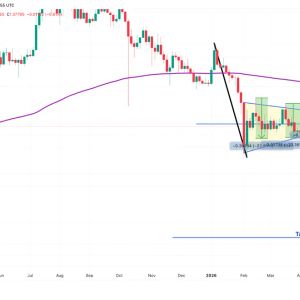
Simultaneously, the XRP market has experienced notable shifts. Data indicates a significant outflow of capital from XRP, particularly from institutional or 'smart money' investors. This trend has seen XRP's value dip, moving below the US$1.40 mark. While the reasons for these specific outflows aren't explicitly detailed, they often reflect investor sentiment reacting to regulatory uncertainty, broader market dynamics, or specific developments related to the asset itself.
Further complicating the picture, crypto product inflows, specifically into exchange-traded products (ETPs), have reached US$67.6 million, with Bitcoin and Ethereum-focused funds attracting the lion's share. This contrasting movement – institutional funds exiting some cryptocurrencies while flowing into others via ETPs – highlights a nuanced investor approach. It suggests a strategic reallocation of capital, potentially towards assets perceived as more established or having clearer regulatory pathways.
Why it matters for Australian investors
For Australian investors, these US regulatory shifts are highly relevant, despite occurring offshore. The US remains a dominant force in global financial regulation, and its policy decisions frequently set precedents or influence approaches taken by other nations, including Australia. Increased regulatory pressure in the US could lead to a more cautious global environment for digital assets, potentially impacting Australian firms and investment products.
Senator Warren's focus on trust charters in the US could pre-empt similar discussions in Australia regarding how crypto-native entities integrate with our existing financial infrastructure. While Australia has its own regulatory bodies like ASIC and AUSTRAC, and the Reserve Bank of Australia sets monetary policy, a global push for tighter oversight often resonates locally. Australian exchanges like CoinSpot, Independent Reserve, Swyftx, and BTC Markets operate within a regulatory framework that is continually evolving, and international developments contribute to this evolution.
Furthermore, the movement of 'smart money' out of certain assets like XRP, as observed in the US, can influence global market sentiment. Australian investors using local platforms or international exchanges might see similar price movements, even if driven by offshore factors. Understanding these dynamics helps in assessing risk and making informed investment decisions, always remembering that past performance is not indicative of future results.
The growing inflows into ETPs, particularly for Bitcoin and Ethereum, also offer a glimpse into evolving institutional investor preferences. Should similar regulated investment vehicles become more prevalent or attractive in Australia, potentially supported by more permissive regulatory stances from ASIC, it could open new avenues for Australian investors to gain exposure to digital assets through traditional investment channels. This would be a significant development for market accessibility and liquidity.
Impact on the AUD market
The current developments, particularly the regulatory scrutiny in the US and the varied capital flows, can indirectly affect the Australian dollar (AUD) crypto market. While Australia has its own distinct economic conditions and regulatory perspectives, a significant shift in global crypto sentiment usually has a ripple effect. For instance, a broad market downturn driven by US regulatory FUD (fear, uncertainty, doubt) could see Australian investors reducing their crypto exposure, potentially leading to sell-offs on local exchanges.
Conversely, if global institutional interest in regulated crypto products like ETPs continues to grow, it could eventually draw more capital into the broader crypto ecosystem. This may indirectly benefit the AUD-denominated crypto market as liquidity improves and adoption expands. Australian crypto exchanges list many of the same major cryptocurrencies as their international counterparts, and therefore, global price movements and investor sentiment are intrinsically linked to prices in AUD.
Any significant volatility in major cryptocurrencies due to these external factors can also influence how Australian investors view their diversified portfolios. The ATO's guidance on crypto tax treatment already places a burden on investors to accurately track their gains and losses, and increased market instability can complicate this further. Investors must remain diligent in their record-keeping, irrespective of market conditions.
It's important to differentiate between direct and indirect impacts. While there isn't a direct line from Senator Warren's actions to the AUD's performance against crypto assets, the overall regulatory climate she's influencing is part of the larger macro-economic and regulatory tableau that dictates investment sentiment. An environment of increased regulatory clarity, even if stringent, is often preferred by institutional capital over prolonged uncertainty, and this could eventually bring more stability to the market.
What to watch next
Australian investors should closely monitor ongoing regulatory debates in the US, particularly those involving the OCC and key political figures like Senator Warren. The outcome of these discussions could shape future US crypto policy, which often acts as a blueprint or strong influence for other developed nations. Any definitive stances on stablecoins, central bank digital currencies (CBDCs), or the classification of digital assets could have significant implications globally.
Keep an eye on the broader market's reaction to these regulatory signals. Will the 'smart money' continue to reallocate, and if so, into which assets? Tracking institutional capital flows, especially into regulated products, can provide insights into prevailing investment narratives and risk appetites. Observing how Bitcoin and Ethereum ETPs continue to perform will be key, as their resilience often signals broader market health and institutional acceptance.
Domestically, pay attention to any pronouncements or policy shifts from Australian regulators such as ASIC and AUSTRAC. While distinct, Australian policy often takes cues from global best practices and regulatory trends. Any consultations or proposed legislation regarding crypto licensing, consumer protection, or product offerings could redefine the landscape for local investors and exchanges.
Finally, monitor the broader economic backdrop, including inflation figures, interest rate decisions by the Reserve Bank of Australia, and global geopolitical events. These factors collectively influence investor behaviour and capital flows into traditionally volatile assets like cryptocurrencies. Staying informed across all these fronts will be crucial for navigating the evolving digital asset space in Australia.
Coins covered



Common questions
What is the Australian tax treatment for selling cryptocurrency on a local exchange like CoinSpot?
In Australia, the Australian Taxation Office (ATO) generally treats cryptocurrency as property for capital gains tax (CGT) purposes. When you sell, swap, or otherwise dispose of cryptocurrency on platforms like CoinSpot, you may incur a capital gains event. It's crucial to keep accurate records of all your transactions, including purchase price, sale price, and any associated fees, to correctly calculate your gains or losses for tax reporting.
How does AUSTRAC regulate cryptocurrency exchanges in Australia?
AUSTRAC (Australian Transaction Reports and Analysis Centre) is Australia's financial intelligence agency and anti-money laundering (AML) and counter-terrorism financing (CTF) regulator. It requires all Digital Currency Exchange (DCE) providers operating in Australia, whether local or foreign, to register with them. This registration ensures these exchanges comply with AML/CTF laws, including customer identification (KYC) requirements, transaction reporting, and risk assessment obligations, helping to safeguard the financial system from illicit activities.
Can Australian investors buy crypto ETPs, and what does ASIC's stance mean for them?
While crypto ETPs are gaining traction globally, particularly in the US, their availability for Australian retail investors is more limited and subject to ASIC's (Australian Securities and Investments Commission) regulatory framework. ASIC has indicated a cautious approach to crypto-asset exchange traded products, prioritising investor protection. Investors should check with their brokers or financial advisers regarding the availability of ASIC-approved crypto ETPs and understand the associated risks and regulatory compliance before investing.
Australian investors: Unpack how US regulatory scrutiny, XRP trends, and ETP inflows reshape the crypto landscape, impacting your AUD portfolio. Stay informed