
Warren Zeroes In On Crypto Deal Structure As $75M Loan Draws Attention
AI-summarised from reporting by NewsBTC. How we use AI.
What happened
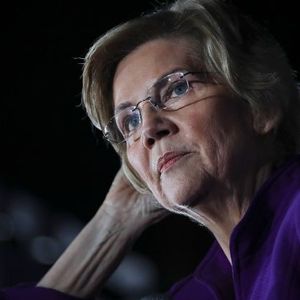
US Senator Elizabeth Warren has raised significant concerns over a $75 million loan taken out by World Liberty Financial, a cryptocurrency project reportedly linked to the Trump family. The loan, facilitated through the decentralised lending platform Dolomite, was controversially collateralised by approximately $440 million worth of the company's own WLFI governance tokens. This transaction generated roughly $65 million in World Liberty Financial's proprietary USD1 stablecoin and an additional $10 million in USDC.
A key point of contention is the timing of this transaction. While the loan was executed, regular investors holding WLFI tokens were reportedly still subject to lock-up periods, preventing them from selling their holdings. Shortly after the loan went through, the WLFI token experienced a nearly 10% price drop, reaching a record low. Senator Warren subsequently penned a letter to SEC Chair Paul Atkins, scrutinising whether World Liberty Financial potentially misled investors or breached securities laws related to the WLFI token offering. She set a deadline for a response, highlighting the urgency of her concerns.
Warren's investigation extends beyond just the loan's structure. Reports suggest that Trump-affiliated entities are positioned to collect 75% of all WLFI token sale proceeds after expenses, creating a stark contrast to the stringent selling restrictions imposed on initial investors. These reports indicate that the company has raised close to $715 million through token sales. Furthermore, the Trump family's total crypto-linked wealth associated with this project is reported to have surpassed $1 billion, with entities like DT Marks DEFI LLC and certain family members reportedly holding around 22.5 billion WLFI tokens.
Why it matters for Australian investors
While this situation directly involves US entities, the implications of heightened regulatory scrutiny in a major market like the United States often ripple globally, including down under. Australian investors frequently participate in global cryptocurrency markets and are thus exposed to the sentiment and regulatory shifts stemming from key jurisdictions. A significant investigation by the US SEC, especially concerning transparency and investor protection, could influence how Australian regulators like ASIC or AUSTRAC view similar decentralised finance (DeFi) structures or token launches.
The core issues raised – token lock-ups, the use of proprietary tokens as collateral, and potential information asymmetries between project insiders and retail investors – are universal concerns. Australian investors engaging with new token projects, whether through global exchanges or local platforms, should always exercise due diligence. Understanding the project's tokenomics, the allocation to founders and insiders, and any lock-up schedules is crucial, as this US case demonstrates the potential for adverse impacts on token prices and investor liquidity.
Moreover, the saga underscores the ongoing debate surrounding investor protection within the crypto space. Australian investors, while benefiting from the growth of the digital asset sector, must remain cognisant of the risks associated with less regulated projects. The outcomes of such investigations, even if overseas, can set precedents or highlight areas where stronger consumer safeguards are needed, potentially informing future regulatory approaches by bodies like ASIC regarding token offerings or DeFi protocols accessible to Australians.
Impact on the AUD market
The direct impact on the Australian Dollar (AUD) crypto market from this specific US investigation is likely to be indirect rather than immediate. AUD-denominated crypto markets, served by exchanges such as CoinSpot, Independent Reserve, Swyftx, and BTC Markets, primarily react to broader market sentiment, global regulatory trends, and significant price movements of major cryptocurrencies like Bitcoin and Ethereum. A scandal involving a single, albeit high-profile, project in the US might not directly cause AUD-pegged stablecoins like AUDC or AUDS to fluctuate, nor would it likely trigger a mass exodus from regulated Australian exchanges.
However, if the Warren investigation were to lead to widespread regulatory crackdowns or a significant loss of confidence in the decentralised finance (DeFi) sector globally, this could naturally affect the overall cryptocurrency market. A downturn in major assets would invariably lead to price corrections across all markets, including those traded in AUD. Australian investors might become more risk-averse, opting for clearer, more regulated pathways or even exiting certain speculative positions, which could show up in trading volumes on local exchanges.
Furthermore, the case could influence how Australian financial institutions and regulators perceive the risk associated with certain crypto investments. For instance, if the SEC finds serious investor protection breaches, it could encourage AUSTRAC to intensify its focus on anti-money laundering and counter-terrorism financing compliance within DeFi, or prompt ASIC to issue stronger warnings or guidance on investing in nascent crypto projects. This could, in turn, subtly shape the market infrastructure and product offerings available to Australian consumers, potentially leading to a flight towards more transparent and established digital assets.
What to watch next
The immediate focus will be on the US SEC's response to Senator Warren's inquiry. Whether Chairman Paul Atkins, who is generally viewed as industry-friendly, decides to take formal action will be a key indicator. The nature and scope of any potential SEC investigation, and its findings regarding securities law violations or investor deception, could significantly influence market perception and regulatory approaches globally.
Australian investors should also monitor the broader US regulatory landscape, particularly developments around the proposed CLARITY Act. While Senator Warren's specific amendments targeting Trump's crypto involvement were voted down, the ongoing debate around digital asset rules is critical. Outcomes from these discussions could set precedents for how initial token offerings, decentralised lending platforms, and associated collateral arrangements are treated from a regulatory perspective. This could later inform approaches taken by Australian regulators, including the ATO's stance on tax treatment for such assets or ASIC's oversight of crypto product disclosures.
Globally, the outcome of this investigation may contribute to the ongoing refinement of investor protection frameworks within the decentralised finance space. If the case highlights systemic vulnerabilities or regulatory gaps, it could spur industry best practices or lead to calls for more stringent global standards, which would ultimately impact the risk profile of various crypto investments. Australian investors should view these developments as critical indicators of the maturing, yet still evolving, regulatory environment surrounding digital assets.
Coins covered
 View wlfiWorld Liberty FinancialwlfiLive price, charts & AUD analysis
 View usd1USD1usd1Live price, charts & AUD analysis
 View usdcUSDCusdcLive price, charts & AUD analysis
 View btcBitcoinbtcLive price, charts & AUD analysis
 View jstJUSTjstLive price, charts & AUD analysis
 View ethEthereumethLive price, charts & AUD analysis
 View zecZcashzecLive price, charts & AUD analysis
 View xrpXRPxrpLive price, charts & AUD analysis
Common questions
How does the ATO view cryptocurrency loans and collateralised assets for tax purposes in Australia?
The Australian Taxation Office (ATO) generally treats cryptocurrency as an asset for capital gains tax (CGT) purposes. If you use crypto as collateral for a loan and it's later sold to repay the loan, CGT event usually occurs. The tax implications can be complex and depend on whether the loan is viewed as a disposal, or if the collateral is forfeited. It's always best for Australian investors to consult with a registered tax agent to understand their specific obligations.
Are decentralised lending platforms like Dolomite regulated by AUSTRAC or ASIC in Australia?
Currently, the regulatory landscape for decentralised lending platforms (DeFi) in Australia is still evolving. AUSTRAC focuses on anti-money laundering and counter-terrorism financing (AML/CTF) obligations for digital currency exchanges and possibly other entities dealing with digital assets. ASIC's role typically covers financial products and services, and it has expressed concerns about investor protection in the DeFi space. Whether a specific DeFi platform falls under their direct regulation depends on its structure and the nature of the services it provides, particularly if it's considered to be offering a financial product under Australian law. It's a complex area, and investors should be aware of the inherent risks of unregulated platforms.
What due diligence should an Australian investor do before participating in a new token launch or DeFi project mentioned in the news?
Australian investors should conduct thorough due diligence before engaging with any new token launch or DeFi project. This includes scrutinising the project's whitepaper, understanding the tokenomics (token distribution, vesting schedules, lock-ups for founders and investors), researching the team's background, and assessing the smart contract's security through audits. Additionally, check for clear legal and regulatory disclaimers, understand the project's utility, and assess market sentiment beyond hype. Considering that major Australian exchanges like CoinSpot or Swyftx often list established coins, direct participation in nascent launches carries higher risks.
Senator Warren's probe into a $75M crypto loan linked to the Trump family raises key questions for Australian investors concerning DeFi transparency and regul
About this article: this is an AI-generated summary of reporting by NewsBTC. It has not been reviewed by a human editor. We use AI to localise crypto news for Australian readers, and we link back to the original source so you can verify the facts.
Informational only — not financial advice. Always do your own research. Read our AI & editorial policy →