
US Treasury Sanctions Sinaloa Cartel Over Crypto-Fueled Fentanyl Trafficking
What happened
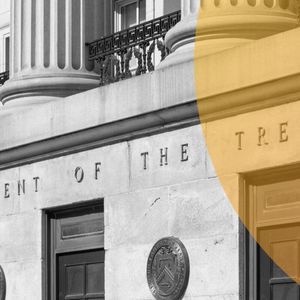
In a significant move signalling the growing scrutiny on illicit financial flows in the digital asset space, the US Treasury Department recently sanctioned individuals and entities linked to the infamous Sinaloa Cartel. The core of these sanctions revolves around their alleged use of cryptocurrency to facilitate fentanyl trafficking and money laundering operations. This action by the Treasury specifically targeted individuals accused of converting illicit drug proceeds, initially in cash, into various cryptocurrencies.
The sanctions list now includes several key figures identified as integral to the cartel's financial network. These individuals reportedly play a crucial role in managing the cartel's cryptocurrency transactions, effectively laundering vast sums of money derived from their criminal enterprises. The US Treasury’s announcement underscores a persistent concern among global regulators regarding the potential for digital assets to be exploited by organised crime for nefarious purposes, despite the inherent transparency of many blockchain ledgers.
This development is part of a broader, sustained effort by international law enforcement agencies to combat the use of digital currencies in illicit activities. Governments worldwide are increasingly leveraging sophisticated tracing tools and intelligence to identify and dismantle these financial networks. The targeting of specific individuals and their crypto-related financial activities highlights a shift towards more direct enforcement actions against those employing digital assets for criminal ends.
Why it matters for Australian investors
While this particular action originated in the US, its implications resonate deeply within the global cryptocurrency ecosystem, including Australia. Australian investors, whether holding Bitcoin (BTC), Ethereum (ETH), or other digital assets, should view this as a clear signal of escalating regulatory interest. It reinforces the importance of using reputable, regulated exchanges like CoinSpot, Independent Reserve, Swyftx, and BTC Markets, which adhere to stringent Anti-Money Laundering (AML) and Know Your Customer (KYC) protocols.
Increased regulatory scrutiny, even when aimed at criminals, invariably creates a more robust and compliant environment for legitimate investors. For Australian crypto holders, this means a continued emphasis on 'clean' crypto – digital assets that can be demonstrated to have originated from legitimate sources. Platforms in Australia are legally obliged to report suspicious transactions to AUSTRAC, Australia’s financial intelligence agency, fostering a safer trading environment but also demanding greater transparency from users.
This global crackdown could also influence future policy decisions by Australian regulators such as ASIC. While the immediate impact is on illicit actors, the broader regulatory landscape is often shaped by significant international enforcement actions. Investors should remain informed about evolving regulatory frameworks, as these can affect aspects like financial product definitions, exchange licensing, and even the future tax treatment of digital assets by the ATO.
Impact on the AUD market
The immediate direct impact on the Australian dollar (AUD) denominated cryptocurrency market is likely to be minimal, given the targeted nature of the sanctions. These actions against specific individuals and their illicit networks are not designed to disrupt the broader legitimate market. However, the indirect effects are worth considering. A sustained global effort to combat crypto-funded crime could contribute to greater market stability and investor confidence in the long term, by mitigating the perception of cryptocurrency as a haven for illicit activities.
In the short term, any perception of heightened regulatory risk could lead to temporary market jitters, though this is less probable for actions specifically targeting criminal organisations rather than the entire asset class. Australian exchanges are already well-versed in compliance, operating under AUSTRAC's watchful eye. Their robust procedures are designed precisely to prevent the kind of money laundering activity highlighted by the US Treasury’s action, thereby shielding compliant Australian users and the AUD market from the direct fallout.
Ultimately, increased transparency and the deterrence of illicit activity could foster a more mature and attractive market environment for institutional investors and traditional finance players in Australia. This might encourage broader adoption of digital assets within the Australian financial system, potentially positively influencing liquidity and depth in the AUD crypto trading pairs on local exchanges.
What to watch next
Australian investors should closely monitor how international regulatory bodies continue to refine their approaches to digital asset crime. Expect further developments in blockchain analytics tools, which are becoming increasingly sophisticated at tracing illicit funds across various networks. This technological advancement empowers law enforcement to identify and act on suspicious transactions with greater precision.
Domestically, pay attention to any statements or guidance from AUSTRAC and ASIC regarding enhanced reporting requirements or new regulatory frameworks in response to global trends. While Australia already has a robust framework, international precedents often inform local policy adjustments. The ongoing global dialogue around anti-money laundering (AML) and counter-terrorism financing (CTF) in the crypto space will undoubtedly shape future Australian legislation.
Furthermore, keep an eye on how decentralised finance (DeFi) protocols are addressed in future regulatory discussions. As enforcement capabilities improve for centralised exchanges, criminals may attempt to pivot to less regulated areas. This evolving landscape will necessitate continuous vigilance and adaptation from both regulators and legitimate market participants, ensuring the continued growth and integrity of the Australian crypto market for all compliant investors.
Coins covered


Common questions
How do Australian crypto exchanges prevent money laundering?
Australian crypto exchanges are compelled by law to comply with AUSTRAC's Anti-Money Laundering (AML) and Counter-Terrorism Financing (CTF) regulations. This includes implementing stringent Know Your Customer (KYC) procedures to verify users' identities and monitoring transactions for suspicious activity. Any transactions deemed suspicious must be reported to AUSTRAC, helping to prevent the use of digital assets for illicit purposes.
Is my cryptocurrency investment in Australia taxed?
Yes, the Australian Taxation Office (ATO) considers cryptocurrency as property rather than currency for tax purposes. This means that capital gains tax (CGT) generally applies when you dispose of your cryptocurrency, such as by selling it for Australian dollars, trading it for another cryptocurrency, or using it to purchase goods or services. Income tax might also apply in certain situations, such as if you are mining crypto or staking rewards.
What is the role of AUSTRAC in Australian cryptocurrency regulation?
AUSTRAC (Australian Transaction Reports and Analysis Centre) is Australia's financial intelligence agency and primary AML/CTF regulator. For cryptocurrency, AUSTRAC oversees all digital currency exchange (DCE) providers that offer services in Australia, requiring them to register, report suspicious transactions, and comply with AML/CTF obligations. This ensures a regulated environment for digital asset services and helps mitigate financial crime risks.
How can Australian investors verify a reputable crypto exchange?
Australian investors should look for exchanges that are registered with AUSTRAC and prominently display their compliance information. Reputable platforms such as CoinSpot, Independent Reserve, Swyftx, and BTC Markets adhere to strict regulatory standards, including KYC/AML procedures. Checking reviews, understanding their security measures, and ensuring transparent fee structures are also good practices.
US Treasury sanctions cartel's crypto use for fentanyl trafficking signals tighter global regulation. How does this impact Australian investors and the AUD cr