
Trump Executive Order Pushes Digital Assets Toward Fed Payment Access
What happened
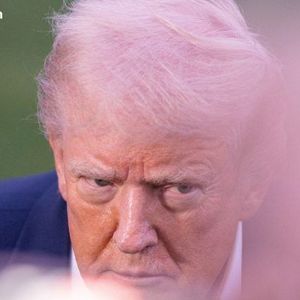
More than two years ago, in May 2020, then-US President Donald Trump signed an executive order directing federal regulators to review the landscape of fintech and digital asset rules. This order specifically focused on identifying barriers preventing these innovative companies from accessing traditional banking and payment systems. The directive mandated various agencies to conduct a thorough analysis and report their findings within 90 days.
The core objective of this executive order was to streamline the regulatory environment, potentially paving the way for greater integration of digital assets and fintech firms into the mainstream financial infrastructure. While not a direct endorsement of any specific digital asset, it signalled a high-level recognition of their growing importance and the need for a coherent US regulatory approach. This move was seen by many as a significant step towards legitimising the digital asset space within traditional finance.
The order tasked federal agencies with pinpointing existing hurdles and suggesting reforms that could foster innovation while maintaining financial stability and consumer protection. It underscored a recognition that archaic regulations designed for traditional financial systems might be stifling growth in the rapidly evolving digital economy. This introspection at the highest levels of government highlighted the global shift towards embracing, or at least understanding, digital finance.
Why it matters for Australian investors
While this executive order originated from the US, its implications ripple across international markets, including Australia. As a major global economy, the US often sets precedents that influence regulatory approaches worldwide. For Australian investors, clearer pathways for digital assets in the US could lead to increased institutional adoption and liquidity globally, which indirectly benefits the broader crypto market.
Improved access to traditional banking and payment systems for digital asset firms in the US could encourage similar considerations from Australian financial regulators like ASIC and AUSTRAC. Although Australia has its own distinct regulatory framework, global harmonisation or alignment of standards can de-risk the sector and attract more mainstream investment. This could positively impact Australian digital asset businesses, including local exchanges such as CoinSpot, Independent Reserve, Swyftx, and BTC Markets, by making their operations more seamless and secure within the global financial ecosystem.
Furthermore, greater regulatory clarity and integration in major economies can provide more certainty regarding the long-term viability of digital assets. This certainty is crucial for Australian investors when considering their portfolio allocations and understanding the tax implications as defined by the Australian Taxation Office (ATO). A more robust global regulatory environment could mitigate some of the volatility currently inherent in the digital asset market.
Impact on the AUD market
The immediate impact of this specific executive order on the Australian dollar (AUD) denominated crypto market was likely subtle rather than dramatic. Global crypto prices are primarily driven by broader market sentiment, technological developments, and macroeconomic factors. However, any development signalling greater institutional acceptance of digital assets can contribute to a more positive overall sentiment, which might incrementally affect AUD pricing on local exchanges.
Over the longer term, should the US successfully integrate digital assets into its payment rails, it could foster increased capital flows into the crypto space. If Australian investors perceive digital assets as becoming more stable and widely accepted, this could translate into higher demand in AUD terms. This demand would then be facilitaded through Australian platforms and financial service providers.
Conversely, if global regulatory developments, even those originating from the US, create uncertainty, it could lead to fluctuations in AUD crypto prices. However, the overarching trend suggested by such an executive order is one of cautious integration rather than prohibition, which generally bodes well for the sector. Australian regulatory bodies are keenly observing international developments as they continue to refine Australia's own digital asset strategies.
What to watch next
Australian investors should closely monitor how the recommendations from such US executive orders are implemented and what new legislative or regulatory frameworks emerge. The devil is often in the details, and specific policy changes can have significant implications for market structure and investment opportunities. Key areas to watch include any new guidelines from US financial regulators regarding banking relationships for crypto firms, payment rail access, and consumer protection measures.
Beyond the US, keeping an eye on similar discussions and policy developments in other major economies remains crucial. The global digital asset landscape is interconnected, and regulatory alignment or divergence in one jurisdiction can influence others. For Australian investors, this means observing how ASIC and AUSTRAC respond to these international trends, potentially through new guidance, licences, or enforcement actions.
Furthermore, watch for the evolution of institutional interest and the development of new financial products that leverage digital assets. As regulatory clarity improves globally, it could unlock a new wave of institutional capital, which would likely have a profound impact on market liquidity and stability. Staying informed about these developments will be key for Australian investors navigating the digital asset space.
Finally, continued attention to the technological advancements within the digital asset ecosystem itself, independent of regulatory shifts, is always prudent. Innovation in areas like blockchain scalability, security, and decentralised finance (DeFi) will continue to shape the future of value transfer and investment, regardless of the regulatory environment.
Coins covered

Common questions
How does US digital asset policy affect my crypto investments on Australian exchanges like CoinSpot or Swyftx?
While US policy doesn't directly dictate Australian exchange operations, significant regulatory clarity or integration in a major market like the US can bolster global investor confidence and institutional adoption. This can indirectly lead to increased liquidity and potentially positive price movements for crypto, affecting your AUD-denominated holdings on Australian exchanges. Australian regulators also often observe international developments when shaping local policy.
Will clearer US regulations make my crypto tax situation in Australia simpler?
Improved regulatory clarity in the US for digital assets may contribute to a global trend of legitimisation, but it doesn't directly simplify Australian tax obligations. The ATO has its own guidelines regarding crypto assets, which are independent. However, greater global clarity can help standardise reporting and understanding of digital assets, which might eventually lead to more streamlined procedures internationally, including in Australia.
What Australian regulatory bodies should I be aware of concerning digital assets?
In Australia, the key regulatory bodies overseeing digital assets are the Australian Securities and Investments Commission (ASIC), which regulates financial products and services, and the Australian Transaction Reports and Analysis Centre (AUSTRAC), which focuses on anti-money laundering and counter-terrorism financing. ASX is also developing standards for blockchain technology. These bodies work to ensure market integrity and consumer protection within the Australian digital asset space.
Will this executive order lead to a "digital AUD" or RBA-backed digital currency?
The executive order from the US specifically addressed integration of existing digital assets and fintech firms into traditional payment systems, rather than the creation of a new central bank digital currency (CBDC). While the Reserve Bank of Australia (RBA) is actively researching a potential digital AUD, this US executive order is distinct from those efforts and focuses on the broader digital asset ecosystem.
Explore how former US President Trump's executive order on digital assets could indirectly influence the Australian crypto market. An essential read for AU in