
Senate Crypto Bill Slips to August, KuCoin Launches Mastercard USDC Card, Forsage Defendant Extradited
What happened
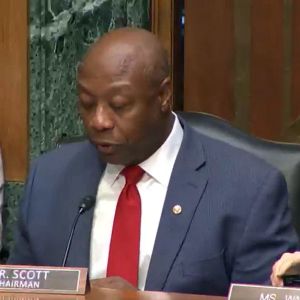
The US Senate's highly anticipated cryptocurrency market structure bill has reportedly been delayed, with a floor vote now not expected until August. This delay was highlighted by Greg Cipolaro, head of research at NYDIG, who cautioned that the legislative process faces potential roadblocks due to election-year dynamics. The slow pace of traditional legislative bodies in addressing the rapidly evolving digital asset landscape is a recurring theme globally, and the US is no exception.
Meanwhile, a significant development occurred in the realm of crypto payments with KuCoin's announcement of a Mastercard-branded USDC card. This initiative aims to bridge the gap between digital assets and traditional finance, enabling users to spend their USDC holdings at millions of merchants worldwide that accept Mastercard. Such integrations are crucial for fostering the mainstream adoption of stablecoins and other cryptocurrencies.
On the regulatory enforcement front, a key defendant in the Forsage cryptocurrency pyramid scheme has been extradited to the US. This action underscores the global commitment to prosecuting illicit activities within the crypto space. International co-operation in tracing and apprehending individuals involved in fraudulent schemes is becoming increasingly vital as the crypto market expands.
Why it matters for Australian investors
The delay in the US Senate's crypto bill, while happening offshore, has ripple effects that can touch Australian investors. Regulatory clarity in major global markets often sets precedents or at least influences legislative discussions in other jurisdictions. A well-defined US framework could provide a degree of stability and confidence that might eventually translate into more formalised pathways for Australian institutions and investors looking to engage with digital assets.
For Australian crypto enthusiasts, the introduction of products like KuCoin's Mastercard USDC card speaks to the broader trend of enhancing crypto's utility. While this specific card may not be directly available or optimal for all Australian users due to considerations like foreign exchange fees, it signals a move towards easier 'fiat off-ramps' globally. Australian exchanges like CoinSpot, Independent Reserve, Swyftx, and BTC Markets are continually looking for ways to improve user experience, and global innovations in spending crypto will likely inspire local solutions.
The extradition of a Forsage defendant reinforces the importance of due diligence for Australian investors. Scams remain a significant concern in the digital asset space, and global enforcement actions serve as a stark reminder. Australian regulators like ASIC and AUSTRAC are actively working to protect consumers and maintain market integrity, so staying informed about international enforcement trends is prudent for any investor.
Impact on the AUD market
The immediate impact of these events on the Australian dollar (AUD) denominated crypto market is likely to be indirect. Delays in US legislation typically don't cause direct AUD price fluctuations for cryptocurrencies. However, sustained uncertainty from a major economic power like the US could contribute to broader market sentiment, which in turn might influence Australian investment behaviour.
Innovations like the USDC Mastercard could, over time, indirectly benefit the AUD crypto market by boosting overall stablecoin utility. If a global standard for spending stablecoins becomes widely adopted, it could lead to increased liquidity and accessibility for various digital assets, including those paired against AUD on local exchanges. The ease of converting crypto to spendable fiat is a key driver for adoption.
Regulatory enforcement actions, while not directly tied to AUD pricing, contribute to the maturation of the global crypto market. A safer, more regulated environment helps foster trust among both retail and institutional investors. This enhanced trust is ultimately beneficial for any national crypto market, including Australia's, as it reduces the perception of risk associated with the asset class.
What to watch next
Australian investors should keep a close eye on the progress of crypto legislation not just in the US, but also within Australia. While the US Senate's bill faces delays, the broader global movement towards comprehensive digital asset regulation is ongoing. Clarity on issues such as asset classification and consumer protection will be crucial for the industry's long-term growth.
Further developments in crypto payments and 'real-world' utility are also worth monitoring. The success and adoption of products like the KuCoin Mastercard could pave the way for more widespread crypto spending solutions, potentially inspiring Australian financial institutions and fintech companies to innovate in this space. This could eventually lead to more seamless ways to use cryptocurrencies in daily AUD transactions.
Finally, continued vigilance regarding regulatory enforcement is paramount. The global pursuit of individuals involved in fraudulent crypto schemes is a positive step towards a more secure ecosystem. Australian investors should always prioritise education and remain cautious of schemes promising unrealistic returns, remembering that the ATO views cryptocurrencies as property for tax purposes, meaning capital gains tax may apply to disposal, which includes spending using a crypto card.
Coins covered




Common questions
How does US crypto legislation affect Australian crypto tax laws?
US crypto legislation does not directly change Australian crypto tax laws. Australia has its own regulatory bodies, like the ATO, which issues guidance on how cryptocurrencies are treated for tax purposes. However, a clearer, more consistent global regulatory environment could indirectly influence future policy discussions in Australia. Generally, the ATO considers crypto assets as property, subject to Capital Gains Tax (CGT).
Can I use a crypto-backed Mastercard, like the one from KuCoin, in Australia?
While the KuCoin Mastercard might allow international spending, its direct utility for Australian residents would depend on various factors including local availability, foreign exchange fees, and specific terms and conditions. Australian users often find local crypto exchange debit cards or direct bank transfers more convenient for converting crypto to AUD, rather than using an international crypto card for domestic spending.
What Australian regulators oversee crypto activity, and what should I be aware of?
In Australia, key regulators include AUSTRAC, which monitors financial transactions to combat money laundering and terrorism financing, and ASIC, which focuses on consumer protection and market integrity. Investors should be aware that ASIC has issued warnings about the risks of crypto investments, and AUSTRAC requires Australian Digital Currency Exchanges (DCEs) to be registered and comply with financial crime regulations. Always ensure you are using a reputable, AUSTRAC-registered exchange.
US crypto bill delays, KuCoin's Mastercard USDC card, and global enforcement trends analysed for Australian investors. Understand the impact on AUD markets an