
Lummis Warns US Must Pass CLARITY Act Immediately or Cede Digital Asset Leadership to China and Europe
What happened
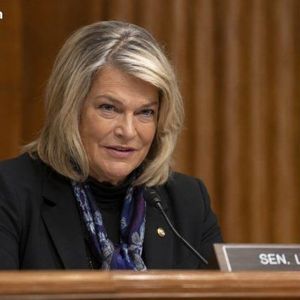
US Senator Cynthia Lummis has issued a stark warning, asserting that the United States risks ceding its leadership in digital asset development to China and Europe. Senator Lummis, a vocal proponent of clear cryptocurrency regulation, urged Congress to fast-track pending crypto legislation, specifically referencing the CLARITY Act. Her comments underscore a growing concern among some US policymakers that the nation is falling behind in the global digital asset race.
Lummis highlighted that both China and European nations are actively pursuing strategies to establish dominance in the burgeoning digital asset space. This isn't merely a technological competition; it encompasses the development of regulatory frameworks, infrastructure, and innovation ecosystems. The implication is that delays in US policy could have long-term consequences for its economic and technological standing.
The CLARITY Act, while not explicitly detailed in its provisions, is presented as a crucial piece of legislation. It aims to provide the regulatory certainty that Lummis believes is essential for fostering innovation and attracting investment in the US digital asset sector. Without such clarity, businesses may choose to relocate to jurisdictions with more defined guidelines.
This call for accelerated legislative action reflects a broader sentiment within parts of the US political landscape. There's a recognition that digital assets represent a significant technological and financial paradigm shift. The debate now centres on how best to regulate this sector without stifling its potential for growth and innovation.
Why it matters for Australian investors
While Senator Lummis's comments directly address US policy, they have significant ramifications for Australian investors and the broader global crypto market. The US is a major player in the worldwide financial system, and its approach to digital assets often sets precedents or at least influences other jurisdictions. Regulatory clarity or ambiguity in the US can send ripple effects across the globe, impacting market sentiment and investment flows.
For Australian investors, a clear and consistent regulatory environment in major economies like the US can lead to greater market stability and potentially reduce volatility. Conversely, continued uncertainty or fragmented regulation could exacerbate market fluctuations. This is particularly relevant for Australians holding globally traded assets like Bitcoin (BTC) or Ethereum (ETH), whose prices are often sensitive to international regulatory news.
Furthermore, if the US were to truly fall behind in digital asset innovation, it could shift the centre of gravity for this technology towards Asia or Europe. This might influence which platforms and projects gain prominence, potentially affecting the investment opportunities available to Australians.
Clarity in US regulations might also reduce contagion risk. Should a major US entity face regulatory challenges due to unclear laws, it could have a knock-on effect on the entire crypto ecosystem, impacting asset prices and investor confidence even in Australia. Australian exchanges such as CoinSpot, Independent Reserve, Swyftx, and BTC Markets, while regulated by AUSTRAC and adhering to ASIC guidelines, operate within a global market influenced by major players.
Impact on the AUD market
The sentiment expressed by Senator Lummis indirectly affects the Australian dollar (AUD) crypto market through various channels. Firstly, global crypto market sentiment, heavily influenced by US regulatory developments, dictates overall investment appetite. If US uncertainty deters institutional investors, it could lead to broad market downturns, impacting AUD-denominated crypto prices on local exchanges.
Secondly, a more robust and clear US regulatory framework could encourage greater institutional adoption and investment. This influx of capital could buoy the entire crypto market, including assets traded against the AUD. Conversely, a perceived lag in US policy development might cause capital to flow towards jurisdictions with clearer rules, potentially bypassing the US and indirectly affecting overall market liquidity.
Australian investors often gauge the health of the crypto market by looking at global trends. Major regulatory movements in the US can cause significant price swings for assets like Bitcoin, which in turn influences the AUD pairing. For instance, if Bitcoin's USD price drops due to regulatory concerns, its AUD price will also decrease, assuming the AUD/USD exchange rate remains relatively stable.
While Australia has made strides in regulating crypto through bodies like AUSTRAC for anti-money laundering and counter-terrorism financing, and ASIC for consumer protection, the global nature of crypto means local markets are always subject to external forces. Clear US regulations could foster innovation that eventually benefits Australian firms and investors, promoting a more mature and stable global ecosystem beneficial to the AUD crypto market.
What to watch next
For Australian investors, the immediate focus should remain on the progression of US digital asset legislation. The CLARITY Act, or any similar bills, will be critical indicators. Keep an eye on congressional hearings, statements from key policymakers, and any drafts of proposed legislation. The specifics of these laws, particularly concerning asset classification and exchange regulation, will be paramount.
Beyond the US, it's also important to monitor regulatory developments in Europe and China, as highlighted by Lummis. These regions are actively vying for leadership, and their approaches could offer alternative models or competitive pressures that ultimately shape the global crypto landscape. Australia's own regulatory journey, particularly from ASIC and AUSTRAC, will likely evolve in response to these international trends.
Furthermore, observe how traditional financial institutions and technology giants in the US respond to these legislative efforts. Their engagement or disengagement with the digital asset space, driven by regulatory certainty, will significantly influence market capitalisation and investor confidence. Increased institutional participation often brings greater liquidity and stability.
Finally, pay attention to the broader economic implications. If the US indeed falls behind, it could impact venture capital flows into the digital asset space globally. This could affect the funding of innovative projects, including those with Australian connections or those that Australian investors are considering. The interplay between traditional finance and emerging digital asset ecosystems will be a key determinant of future market direction.
Coins covered


Common questions
How does US crypto regulation impact my Australian crypto taxes?
While US crypto regulation doesn't directly change Australian tax laws, global market movements driven by US policy can affect the value of your assets. The ATO's guidance on cryptocurrency tax treatment, including capital gains tax, remains specific to Australia. However, a significant drop in asset value due to international regulatory uncertainty could impact your taxable gains or losses.
Could US crypto legislation affect which cryptocurrencies are available on Australian exchanges?
Potentially, yes. If US legislation were to deem certain cryptocurrencies as unregistered securities, for example, it could create uncertainty for global exchanges and projects. While Australian exchanges like CoinSpot or Swyftx comply with AUSTRAC and ASIC, they often list assets based on global liquidity and perceived regulatory risk. A major shift in the US could indirectly influence their listing decisions.
What happens if China or Europe become the leaders in digital assets instead of the US, and how does that affect Australian investors?
If China or Europe take a leading role, it could lead to a shift in where innovation and investment are concentrated. Australian investors might find more opportunities stemming from projects and platforms headquartered or heavily involved in those regions. It could also influence the global standards for blockchain technology and digital asset regulation, which Australia may then consider when developing its own frameworks.
US Senator Lummis warns delaying crypto legislation could cede digital asset leadership. Discover how this impacts Australian investors and the AUD market.