
KuCoin Australia’s ‘Evolution’ Showcases Regulatory Focus, Mastercard Launch
What happened
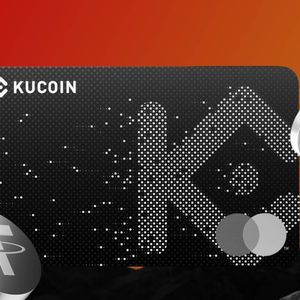
KuCoin, a major global cryptocurrency exchange, recently announced the launch of its KuCard in collaboration with Mastercard. This new offering allows users to spend their cryptocurrencies at millions of merchants worldwide that accept Mastercard. Specifically, the KuCard facilitates payments using USD Coin (USDC), a prominent stablecoin pegged to the US dollar. This move signifies a broader trend within the crypto industry towards greater integration with traditional financial systems.
The introduction of the KuCard is part of what KuCoin describes as its 'evolution', with a clear emphasis on regulatory compliance and user utility. By partnering with a globally recognised payments giant like Mastercard, KuCoin aims to bridge the gap between digital assets and everyday spending. This initiative is designed to offer a more seamless and convenient way for cryptocurrency holders to utilise their digital wealth in real-world transactions, sidestepping the often cumbersome process of converting crypto to fiat through bank transfers.
While the initial rollout appears to focus on specific regions, the strategic intent is clear: to expand the utility and accessibility of cryptocurrencies globally. This development underscores the increasing maturity of the crypto market, where exchanges are not merely facilitating trading but are also developing practical applications for digital assets. The focus on stablecoins like USDC for such products highlights a preference for assets with lower price volatility for everyday transactions.
Why it matters for Australian investors
For Australian investors, the development of products like the KuCard, even if not immediately available on our shores, signals important long-term trends. It demonstrates a growing appetite from major financial players like Mastercard to engage with the crypto ecosystem. This engagement can pave the way for similar offerings from Australian-centric exchanges or global exchanges operating within Australia, potentially leading to more flexible ways to use crypto holdings.
Currently, Australian crypto investors primarily use platforms like CoinSpot, Independent Reserve, Swyftx, and BTC Markets for buying, selling, and holding digital assets. While some local platforms might offer their own card solutions or integrations, a global partnership of this scale sets a precedent. It suggests that regulator-friendly, traditional finance collaborations are becoming a key focus for major crypto players, something that could eventually benefit Australian users looking to spend their crypto more easily.
From a regulatory perspective, such products indicate a pathway for deeper integration between crypto and the existing financial framework. While the Australian Securities and Investments Commission (ASIC) and the Australian Transaction Reports and Analysis Centre (AUSTRAC) diligently oversee local crypto activities, the global trend towards regulated, spendable crypto solutions might influence future policy discussions here. Increased mainstream adoption through such cards could bring more scrutiny but also potentially more clarity and acceptance from Australian financial authorities.
Impact on the AUD market
While the KuCard's immediate impact on the Australian Dollar (AUD) market is indirect, it contributes to the broader narrative of cryptocurrency's increasing utility. If similar stablecoin-backed spending cards become widely available and adopted in Australia, it could subtly shift how Australians manage their finances. Instead of converting crypto to AUD for every purchase, users might opt to spend stablecoins directly, potentially reducing the frequency of fiat-crypto conversions.
However, it's crucial to remember that USDC is pegged to the US dollar, not the AUD. For Australian users, spending USDC would still involve an underlying foreign exchange component if the original crypto was bought with AUD. This means that while the spending process might be seamless, the exposure to USD volatility for the stablecoin itself remains. Any significant use of USD-pegged stablecoins for everyday spending in Australia would still require careful consideration of currency fluctuations by the user.
The Australian Taxation Office (ATO) currently treats cryptocurrencies as property for capital gains tax purposes. If an Australian investor uses a crypto-backed card like the KuCard (or a future Australian equivalent) to make purchases, each transaction typically constitutes a disposal event, potentially triggering a capital gains tax liability. This tax implication remains a key consideration for Australian users, regardless of how seamless the spending mechanism becomes. The ATO's stance ensures that even with simplified spending, tax obligations are not overlooked.
What to watch next
Australian investors should monitor how global exchanges continue to navigate regulatory environments and form partnerships with traditional finance. The success and adoption of products like the KuCard in other jurisdictions will likely influence similar initiatives elsewhere. Pay close attention to announcements from major global and Australian exchanges regarding card programmes, particularly those involving stablecoins or direct crypto-to-fiat conversion at the point of sale.
Look out for increased dialogue between Australian regulators (ASIC, AUSTRAC) and the crypto industry as these integration trends accelerate. A clear regulatory framework for crypto-backed spending cards and similar financial products would be beneficial for both consumers and businesses in Australia. This includes clarity on consumer protection, anti-money laundering (AML) requirements, and, importantly, specific guidance on tax implications for such transactions, which the ATO may need to further elaborate on.
Furthermore, keep an eye on developments in the stablecoin market. The prevalence of USDC in such initiatives highlights its role. Any regulatory changes or significant shifts in the stablecoin landscape globally could have ripple effects, impacting the viability and accessibility of crypto-backed spending solutions for Australian consumers. The evolution of central bank digital currencies (CBDCs) in nations like Australia could also present alternative or complementary spending mechanisms to privately issued stablecoin cards.
Coins covered



Common questions
How does the ATO treat spending cryptocurrency using a crypto-backed card in Australia?
The Australian Taxation Office (ATO) generally considers the use of cryptocurrency to purchase goods or services as a disposal event. This means that if you use a crypto-backed card to spend your digital assets, it is typically treated as if you sold that cryptocurrency, which could trigger a capital gains tax liability if the value of your crypto has increased since you acquired it. Accurate record-keeping of all transactions is essential for tax purposes.
Are there any Australian crypto exchanges offering similar spending cards like the KuCard?
Some Australian cryptocurrency exchanges or platforms may offer their own debit or credit card solutions that allow users to spend their crypto holdings or convert them to AUD for spending. While specific offerings vary, it's worth checking with major local players like CoinSpot, Independent Reserve, Swyftx, or BTC Markets for their current product suites, as they continuously evolve to meet customer demand.
What are the common fees associated with using a crypto-backed spending card in Australia?
Fees for crypto-backed spending cards can vary widely. They might include transaction fees for converting crypto to fiat at the point of sale, foreign exchange fees if spending a US Dollar-pegged stablecoin like USDC in AUD, or monthly/annual card fees. It's crucial for Australian users to carefully review the fee schedules provided by any card issuer to understand the total cost of spending their cryptocurrency.
Explore KuCoin's Mastercard launch and what it means for Australian crypto investors. Our analysis covers regulatory impact, AUD market effects, and key trend