
Dogecoin Has Now Entered Oversold Levels That Has Led To Previous Cycle Bottoms
What happened
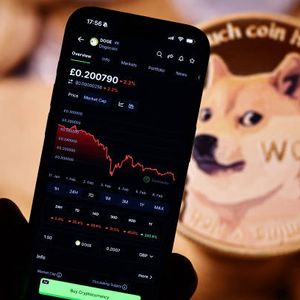
Dogecoin (DOGE), the popular meme-inspired cryptocurrency, has recently entered an oversold position on its weekly Relative Strength Index (RSI). This technical indicator suggests that selling pressure has been unusually high, driving the asset's price down significantly. For Australian investors, understanding these market dynamics is crucial, especially when assessing meme coin volatility.
According to market analyst Cryptollica, this particular oversold condition is a rare occurrence. It has only been observed four times in Dogecoin's 12-year history. Historically, each time DOGE reached this specific oversold zone, it subsequently established a cycle bottom, marking the end of a prolonged downtrend and often preceding a significant upward price movement.
Previous instances of Dogecoin entering this oversold territory include the 2015 cycle, the 2020 COVID-19 market crash, and again in 2022, following the 2021 bull market. Each time, a price floor was established soon after. The current observation in 2026 suggests a similar pattern may be emerging, reinforcing the idea that these oversold levels could signal a market reset.
During these periods, market sentiment was generally negative, characterised by fear and a lack of confidence among investors. Many observers had even written off Dogecoin as a 'dead coin' during these bearish phases. However, from a technical analysis perspective, these periods were identified as crucial 'cycle-location signals' for a potential fresh bull rally.
Why it matters for Australian investors
For Australian investors, Dogecoin's entry into an oversold state presents a unique point of consideration. While the asset's volatility can be daunting, particularly for those new to the cryptocurrency market, historical patterns suggest this could be a pivotal moment. The concept of 'buying the dip' often discussed in investment circles, hinges on identifying such potential bottoms.
Regulators like ASIC have consistently highlighted the speculative nature of cryptocurrencies, especially meme coins. While the analyst's observation points to historical trends, it's vital for Australian investors to conduct their own due diligence and consider their personal risk tolerance. Exchange platforms popular in Australia, such as CoinSpot, Independent Reserve, Swyftx, and BTC Markets, facilitate DOGE trading, making these market movements directly relevant to their user base.
Furthermore, the Australian Taxation Office (ATO) treats cryptocurrencies as property for capital gains tax purposes. Any potential turnaround in Dogecoin's price could have implications for tax planning, particularly if investors decide to realise gains or losses. Understanding when an asset might be at a cycle bottom could inform decisions regarding hold periods or accumulation strategies, always keeping tax obligations in mind.
Meme coins, by their very nature, are highly susceptible to market sentiment and social media trends. While technical indicators like the RSI provide data-driven insights, the herd mentality can swiftly shift landscapes. Australian investors should balance technical analysis with an understanding of the broader market and social context that often influences assets like Dogecoin.
Impact on the AUD market
While Dogecoin's price is globally determined, its movements inevitably ripple through the Australian cryptocurrency market. A significant shift in DOGE's price, particularly one following an oversold condition, can influence trading volumes and investor sentiment on Australian exchanges. Locally, AUD-pegged trading pairs for DOGE would reflect these global price changes directly.
If the historical pattern holds and Dogecoin does find a bottom and then rallies, it could lead to increased purchasing activity from Australian investors looking to capitalise on a potential uptrend. This increased demand could be observed through higher AUD-DOGE trading pairs on local platforms, potentially even influencing order book depth. Conversely, sustained oversold conditions could contribute to investor caution.
Fluctuations in cryptocurrencies, particularly those with a significant public profile like Dogecoin, can also indirectly affect the broader perception of digital assets within Australia. Positive price movements following a historical bottom could foster renewed interest and confidence, while prolonged downtrends might reinforce scepticism, impacting how the general public and traditional financial institutions view the sector.
AUSTRAC, Australia's financial intelligence agency, monitors transactions on Australian exchanges to prevent illicit activities. Significant market moves in popular assets like DOGE would naturally fall under their purview for compliance and regulatory reporting. Legitimate Australian investors should always ensure their trading activities on platforms like CoinSpot or Independent Reserve comply with all regulatory requirements.
What to watch next
Investors should closely monitor Dogecoin's price action for signs of a confirmed bottom. While the oversold RSI is a strong indicator, a definitive reversal typically involves sustained buying pressure and a break above key resistance levels. Observing trade volumes on major Australian cryptocurrency exchanges could provide local insights into accumulation trends.
Beyond just the price, market sentiment indicators will be crucial. Look for shifts in social media discussions, news coverage, and overall investor confidence surrounding Dogecoin. A change from widespread negativity and disinterest to renewed optimism and attention could signal that a bottom has firmly been established and a new market cycle is starting.
Another point of interest is the broader cryptocurrency market. Often, meme coins like Dogecoin are influenced by the performance of larger assets such as Bitcoin and Ethereum. A general uplifting trend or a fresh bull market in the wider crypto space could provide the necessary tailwinds for DOGE to bounce back from its oversold position.
Finally, technical analysts will be watching for specific chart patterns, such as bullish divergence on the RSI or other reversal signals. For Australian investors, staying informed through reputable news sources and utilising the analytical tools offered by platforms like Swyftx or BTC Markets will be key to navigating this potentially significant period for Dogecoin.
Coins covered





Common questions
How does Dogecoin's oversold status affect my ATO tax obligations in Australia?
Dogecoin's oversold status itself doesn't directly change your tax obligations. However, if you choose to buy or sell DOGE during this period, any potential capital gains or losses resulting from these transactions would need to be reported to the ATO. It's crucial to keep accurate records of acquisition costs and disposal prices in Australian dollars, regardless of market conditions.
Can I buy Dogecoin on Australian exchanges when it's oversold, and what do I need to consider?
Yes, you can buy Dogecoin on Australian exchanges such as CoinSpot, Independent Reserve, Swyftx, and BTC Markets, even when it's showing signs of being oversold. When considering a purchase, remember that 'oversold' is a technical indicator and not a guarantee of immediate price recovery. Always consider your own financial situation, risk tolerance, and research the asset thoroughly before making investment decisions, as per ASIC's guidance on speculative assets.
Does AUSTRAC monitor Dogecoin purchases during an oversold period more closely?
AUSTRAC monitors all cryptocurrency transactions on regulated Australian exchanges to combat financial crime, regardless of whether an asset is oversold or not. Their primary focus is on detecting suspicious activity and ensuring compliance with anti-money laundering and counter-terrorism financing (AML/CTF) laws. Routine monitoring applies to all transaction volumes and patterns, rather than specific market conditions like an oversold state.
Dogecoin hits rare oversold levels, historically signalling cycle bottoms. CoinPulse AU analyses what this means for Australian investors and the AUD market.