
Crypto ATM Giant Bitcoin Depot Warns Of Possible Collapse
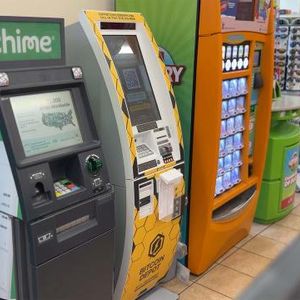
What happened
US-based crypto ATM operator, Bitcoin Depot, has recently disclosed significant financial woes, casting "substantial doubt" on its ability to continue operations. This revelation came via a Form 10-Q filing with the US Securities and Exchange Commission (SEC), sparking concerns across the digital asset landscape. The company, which lists its shares on Nasdaq under the ticker BTM, has seen its stock price plummet by over 40% in just five trading days following the news.
The company's chief financial officer, David Gray, highlighted several contributing factors to their precarious position. These include over $20 million in legal judgments accrued in the fourth quarter of 2025, alongside a growing wave of lawsuits initiated by various state regulators. Compounding these issues is a sharp decline in transaction volumes, leading to a substantial drop in revenue.
Specifically, Bitcoin Depot reported an $80 million decrease in revenue in the first quarter of 2026 compared to the same period the previous year. This revenue slump translated into a net loss of $9.5 million for those three months. Officials within the company have attributed this downturn primarily to tightening regulatory environments and enhanced compliance controls, which they say have deterred customers from using their machines.
The regulatory scrutiny isn't confined to recent events. Bitcoin Depot faced legal pressure even before the Canadian government proposed a nationwide ban on crypto ATMs in April. In January, the company paid nearly $2 million to settle a complaint with Maine’s Consumer Credit Protection Bureau. Since then, states such as Massachusetts and Iowa, among others, have filed their own legal actions. Furthermore, individual cities and towns across the US have begun to restrict or outright ban crypto kiosks, citing concerns about scams impacting residents.
In an attempt to navigate these challenges, Bitcoin Depot appointed a new CEO, Alex Holmes, in March. Holmes, who previously led MoneyGram from 2016 to 2024, is noted for his background in regulatory compliance. This leadership change signals the company's urgent need to address its legal and compliance issues amidst a rapidly evolving market.
Why it matters for Australian investors
While Bitcoin Depot operates primarily in North America, its struggles offer pertinent lessons for Australian investors keenly observing the global crypto market. The company's decline underscores the inherent risks associated with unregulated or heavily contested sectors within the digital asset space, particularly those involving physical infrastructure like crypto ATMs. Australians investing in companies with significant overseas operations in similar areas should pay close attention to regulatory shifts in those jurisdictions.
Australia's regulatory landscape for cryptocurrency is still evolving, but authorities like AUSTRAC, ASIC, and the ATO are increasingly active. AUSTRAC, in particular, focuses on anti-money laundering (AML) and counter-terrorism financing (CTF) reporting obligations, which apply to digital currency exchanges and remittance providers. The issues faced by Bitcoin Depot, particularly regarding compliance and scam concerns, resonate with AUSTRAC's objectives to prevent illicit financial activities via crypto channels.
For Australian investors holding cryptocurrencies, the implications of such events are more indirect but still relevant. A major player's collapse, even if geographically distant, can contribute to broader market sentiment, potentially influencing prices. Furthermore, the global trend towards tightening regulations seen in the Bitcoin Depot case highlights a future trajectory that Australia might also follow, impacting local crypto enterprises and investment opportunities.
Investors using Australian exchanges like CoinSpot, Independent Reserve, Swyftx, or BTC Markets, or those considering physical crypto kiosks in Australia, should be mindful that such services operate under the watchful eye of local regulators. The strict AML/CTF reporting requirements and tax treatment overseen by the ATO mean that local operators must maintain high compliance standards to avoid similar legal troubles that plagued Bitcoin Depot.
Impact on the AUD market
The immediate impact of Bitcoin Depot's woes on the direct AUD crypto market is likely to be limited. Australian dollar (AUD) denominated crypto trading largely occurs on centralised exchanges, and the physical crypto ATM market here is considerably smaller and operates under different regulatory conditions than in the US and Canada. However, the indirect effects on investor confidence and regulatory precedent could be more significant.
Globally, increasing regulatory pressure on crypto-related businesses often leads to market corrections or a 'flight to quality' within the crypto asset classes. If the struggles of companies like Bitcoin Depot contribute to a perception of heightened risk in the broader crypto ecosystem, it could dampen investor enthusiasm, potentially affecting AUD-pegged cryptocurrency values or trading volumes on local platforms. For instance, if global Bitcoin (BTC) values dip due to negative sentiment, AUD-BTC pairs on exchanges like Independent Reserve or Swyftx might also see corresponding decreases.
Furthermore, Australian regulators, including ASIC, the ATO, and AUSTRAC, monitor international developments closely. The legal and operational challenges faced by Bitcoin Depot could serve as a case study, influencing future policy decisions regarding crypto kiosks or digital currency services within Australia. Any new regulations or enforcement actions stimulated by international precedents could impact the business models of local crypto operators and, consequently, investor access or the cost of trading in the AUD crypto market.
While the AUD itself is unlikely to be directly impacted, the Australian crypto sector's evolution remains sensitive to global shifts in regulation and industry stability. Investors should consider how these broader trends might influence their holdings and the operational environment of their chosen Australian-based crypto service providers. The need for robust compliance, customer protection, and clear regulatory frameworks becomes an even more critical consideration.
What to watch next
Australian investors should closely monitor several key areas following the Bitcoin Depot saga. Firstly, observe the outcomes of the ongoing legal battles and regulatory actions against Bitcoin Depot in the US. The severity of penalties and the measures the company must take to regain compliance could set precedents for similar businesses globally, including any nascent crypto ATM operators in Australia.
Secondly, pay attention to global regulatory shifts concerning crypto ATMs and other physical crypto services. If more countries, following Canada's proposed ban, move to restrict or heavily regulate these kiosks, it signals a broader international trend towards stricter oversight. This trend could eventually influence Australian policy development, potentially impacting the availability or operational costs of such services locally.
Thirdly, keep an eye on how established Australian crypto exchanges and service providers adapt to the evolving regulatory landscape. Businesses like CoinSpot, Independent Reserve, Swyftx, and BTC Markets are continually navigating AUSTRAC's AML/CTF requirements and ASIC's consumer protection guidelines. Any tightening of these regulations, perhaps inspired by international events, could impact their operations and the services they offer to Australian investors.
Finally, broader market sentiment around regulatory risk will be crucial. If the perception of regulatory enforcement intensifies globally, it could lead to increased market volatility for digital assets. Australian investors holding various cryptocurrencies should consider this potential for volatility and adjust their risk management strategies accordingly. Continued vigilance regarding both international regulatory movements and local policy discussions remains paramount for navigating the Australian crypto market effectively.
Coins covered


Common questions
Are crypto ATMs legal in Australia, and how are they regulated?
Crypto ATMs operate in Australia, but they fall under the same regulatory framework as other digital currency exchange services. This means they are subject to AUSTRAC's Anti-Money Laundering and Counter-Terrorism Financing (AML/CTF) Act 2006. Operators must register with AUSTRAC, implement robust reporting obligations for suspicious transactions, and verify customer identities to combat illicit financial activities. This is a stricter regulatory environment compared to some overseas jurisdictions that have faced issues like those seen with Bitcoin Depot.
How does the ATO treat transactions from crypto ATMs for tax purposes in Australia?
The Australian Taxation Office (ATO) treats cryptocurrency as a form of property for tax purposes, not as currency. Therefore, any transactions involving buying, selling, or exchanging cryptocurrency via an ATM (or any other method) are subject to capital gains tax (CGT) if you make a profit. Record-keeping is crucial, and you must declare all crypto transactions in your annual tax return. The method of acquisition, whether via an ATM or an exchange, does not change the tax treatment.
Could Australia see a similar ban on crypto ATMs as proposed in Canada?
While the Canadian government proposed a nationwide ban on crypto ATMs to combat financial crime, it's not guaranteed that Australia would follow suit directly. Australia's regulatory approach tends to focus on comprehensive compliance and oversight rather than outright bans for most financial technologies. However, if evidence emerges that crypto ATMs are becoming significant conduits for illicit activities within Australia despite existing regulations, then AUSTRAC or ASIC could consider stricter measures or even prohibitions. For now, the focus remains on robust AML/CTF compliance.
Global crypto ATM giant Bitcoin Depot warns of collapse amid legal woes and plummeting revenue. Australian investors: understand the local impact.