
The Clarity Act took a step forward: State of Crypto
AI-summarised from reporting by CoinDesk. How we use AI.
What happened
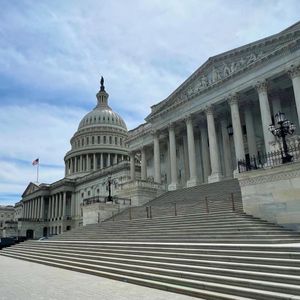
Last Thursday, a significant markup hearing took place concerning the 'Clarity for Digital Assets Act'. This legislative development, though occurring in the United States, bears close watching globally, including within Australia's burgeoning crypto sector. The hearing saw extensive debate and discussion, reflecting the complex and often contentious nature of establishing clear regulatory frameworks for digital assets.
The 'Clarity for Digital Assets Act' aims to draw clearer lines between what constitutes a commodity and what falls under security classifications within the digital asset space. This distinction is crucial as it determines which regulatory body, typically a commodities regulator or a securities regulator, has jurisdiction. The recent hearing demonstrated the differing viewpoints on how best to achieve this clarity, with various stakeholders presenting arguments for and against specific provisions of the proposed legislation.
The discussions often centred on the 'Howey Test' and its applicability to modern digital assets, a long-standing point of contention in crypto regulation. Lawmakers and industry experts deliberated on whether existing legal frameworks are sufficient or if new, tailored legislation is necessary to properly classify and oversee cryptocurrencies. The hearing was described as 'at-times contentious', underscoring the deep divisions that still exist regarding the optimal path forward for crypto regulation.
Ultimately, the proceeding marked a step forward in the legislative process for this particular act. While it did not result in immediate passage, it served as a vital forum for airing concerns, proposing amendments, and refining the bill's language. The outcome of such hearings provides valuable insight into the evolving regulatory mindset and potential future directions for crypto governance, which can have ripple effects far beyond American borders.
Why it matters for Australian investors
While the 'Clarity for Digital Assets Act' is a US-centric initiative, its progression holds substantial implications for Australian investors. Global regulatory trends often influence local policy development. Should the US establish a clear, functional framework differentiating between crypto commodities and securities, it could provide a blueprint or at least a strong point of reference for Australian regulators like ASIC (Australian Securities and Investments Commission) and AUSTRAC (Australian Transaction Reports and Analysis Centre).
Clarity in classification directly impacts how certain digital assets are treated, including their listing on exchanges, investment vehicle design, and even tax implications. Currently, the ATO (Australian Taxation Office) provides guidance on crypto tax, but consistent international standards could lead to more harmonised approaches. For Australian investors using platforms like CoinSpot, Independent Reserve, Swyftx, or BTC Markets, consistent classification could simplify compliance and potentially expand the range of regulated products available.
Furthermore, regulatory certainty is a key driver of institutional investment. A clearer US regulatory landscape could encourage more mainstream financial institutions to enter the crypto space globally, potentially increasing liquidity and market maturity. This could, in turn, benefit the Australian crypto market by attracting more capital and talent, leading to enhanced trading opportunities and greater market stability.
Conversely, a fragmented or overly restrictive US framework could create headwinds for international crypto markets, including Australia. Australian investors often participate in a global market, with many tokens and projects having international origins. Uncertainty overseas can often translate to volatility and hesitancy locally, impacting investment decisions and market sentiment within the AUD-denominated crypto ecosystem.
Impact on the AUD market
The Australian dollar (AUD) crypto market, while distinct, is not entirely isolated from global regulatory shifts. The outcome of legislative efforts like the 'Clarity for Digital Assets Act' can indirectly influence AUD-denominated crypto asset prices and trading volumes. If the Act leads to increased institutional confidence in the US, it could contribute to an overall bullish sentiment that spills over into other markets, including Australia.
Changes in how digital assets are legally defined could also affect the types of crypto products and services available to Australian investors. For example, if a widely traded token is definitively classified as a security in the US, it might prompt Australian exchanges and financial service providers to reassess their offerings to ensure compliance with local ASIC regulations and to avoid potential international regulatory arbitrage issues.
Australian exchanges such as CoinSpot, Independent Reserve, Swyftx, and BTC Markets are already operating under AUSTRAC's anti-money laundering and counter-terrorism financing (AML/CTF) regulations. However, the broader legal classification of digital assets could introduce new compliance burdens or opportunities, depending on how global standards evolve. This could impact operational costs for these platforms, potentially influencing fees or service offerings for Australian users.
Moreover, a clear global framework could facilitate the development of more sophisticated financial instruments in Australia, such as spot Bitcoin ETFs, if the regulatory environment becomes more predictable. This could open up crypto investment to a broader segment of the Australian investor base, including superfunds, who are often constrained by strict investment guidelines requiring regulated products.
What to watch next
Australian investors should closely monitor the continued progression of the 'Clarity for Digital Assets Act' and similar legislative efforts in major jurisdictions. Future hearings, amendments, and potential votes on this bill will provide further indicators of the direction of travel for crypto regulation. Any definitive classification frameworks established abroad could serve as a precedent or influence discussions within Australian government bodies and regulators.
Domestically, it’s important to watch for any statements or guidance from ASIC, AUSTRAC, and the ATO that respond to international regulatory developments. These Australian bodies are continually evaluating the crypto landscape, and global shifts often prompt local updates to policy and enforcement. Investors should stay informed about how these agencies interpret and adapt to new classifications or regulatory approaches.
Furthermore, keep an eye on how Australian crypto exchanges and service providers react to these global changes. Their efforts to maintain compliance and adapt their offerings will be a key indicator of market resilience and maturity. Any new products or services introduced, or adjustments to existing ones, will directly affect Australian investors' choices and accessibility to the digital asset market.
Finally, continued collaboration between industry, regulators, and government will be crucial. Australian industry bodies advocating for clear and sensible regulation will likely draw on international examples. For investors, understanding these advocacy efforts and the ongoing dialogues shaping the regulatory future will provide a comprehensive view of the evolving Australian crypto ecosystem. The journey towards comprehensive crypto regulation is ongoing, and remaining informed is paramount.
Coins covered

Common questions
How does US crypto regulation affect my crypto investments on Australian exchanges?
While US regulations don't directly govern Australian exchanges like CoinSpot or Swyftx, global regulatory clarity, or lack thereof, can significantly impact market sentiment and institutional involvement worldwide. This can indirectly affect liquidity, asset prices, and the types of crypto products available on Australian platforms. Australian regulators often observe international trends when formulating local policy.
Will new global crypto classifications change my ATO tax obligations in Australia?
The ATO currently provides guidance on the tax treatment of cryptocurrencies, generally classifying them as property for capital gains tax purposes. While new global classifications might influence future interpretations or legislation, until specific changes are announced by the ATO or Australian Treasury, your existing tax obligations remain. Always refer to official ATO guidance for up-to-date information.
What does 'commodity vs. security' mean for Australian crypto investors?
In Australia, the distinction between a 'commodity' and a 'security' for digital assets is a developing area, currently primarily managed by ASIC. A commodity often falls under general consumer law or specific commodity regulations, while a security (like shares) is subject to stricter financial product regulations. A clear classification, globally and locally, would determine which regulatory body oversees a digital asset, impacting its legal offering, trading rules, and investor protections on platforms like Independent Reserve or BTC Markets.
Global regulatory clarity is evolving with the 'Clarity for Digital Assets Act'. Discover what this means for Australian investors, the AUD crypto market, and
About this article: this is an AI-generated summary of reporting by CoinDesk. It has not been reviewed by a human editor. We use AI to localise crypto news for Australian readers, and we link back to the original source so you can verify the facts.
Informational only — not financial advice. Always do your own research. Read our AI & editorial policy →