
Cardano Founder Denies Conspiring to Attack XRP
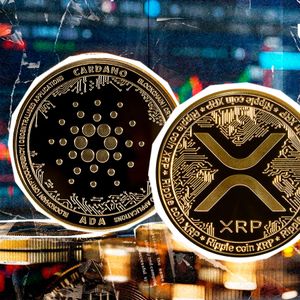
What happened
Cardano founder Charles Hoskinson has once again publicly denied allegations that he conspired with figures linked to Ethereum to launch a 'regulatory attack' against Ripple's XRP. These claims, which periodically resurface within the wider cryptocurrency community, suggest a coordinated effort to harm XRP's standing through regulatory scrutiny. Hoskinson's latest rejection comes as a direct response to renewed social media discussions on the topic.
The allegations typically revolve around the idea that influential individuals within the crypto space sought to leverage regulatory bodies against XRP, potentially to benefit competing assets. While specific evidence supporting these conspiracy theories has never been widely presented or accepted, they continue to circulate, particularly among a dedicated segment of the XRP community. Hoskinson has consistently maintained his innocence, characterising the accusations as baseless and illogical.
His denials are not new; Hoskinson has addressed these claims multiple times over the years. Each time, he has vehemently denied any involvement in such a scheme, often expressing frustration at the persistence of the rumours. The repeated nature of these accusations highlights the intense rivalries and strong community allegiances often seen between different blockchain projects.
The core of the 'regulatory attack' theory posits that the U.S. Securities and Exchange Commission's (SEC) lawsuit against Ripple was not a standalone action but rather an outcome of behind-the-scenes lobbying. While the SEC's motives and processes are subject to public debate, linking them directly to alleged collusion between project founders remains speculative. Hoskinson's ongoing repudiation aims to distance himself and the Cardano project from these persistent narratives.
Why it matters for Australian investors
For Australian investors, the ongoing narrative around alleged collusion and regulatory targeting, even if unfounded, underscores the broader regulatory risks inherent in the digital asset market. Australia's financial regulators, such as ASIC (Australian Securities and Investments Commission) and AUSTRAC (Australian Transaction Reports and Analysis Centre), are increasingly focused on the crypto sector. While the specifics of the US SEC's actions don't directly mirror Australian regulatory frameworks, the general principle of regulatory scrutiny on digital assets is highly relevant.
Australian investors hold a diverse range of cryptocurrencies, including XRP and Cardano's ADA, often through local exchanges like CoinSpot, Independent Reserve, Swyftx, and BTC Markets. The sentiment around regulatory actions, whether perceived or real, can influence market dynamics globally, including AUD-denominated crypto markets. Negative industry sentiment, even stemming from overseas disputes, can occasionally lead to price volatility or impact investor confidence.
Furthermore, discussions about potential 'regulatory attacks' highlight the importance of understanding the regulatory environment for digital assets. The Australian Tax Office (ATO) treats cryptocurrency as property for capital gains tax purposes, and future regulatory clarity from ASIC regarding product offerings or market conduct could significantly impact investors. While Hoskinson's denials address specific US-centric allegations, they indirectly remind Australian investors about the need for due diligence regarding regulatory compliance and potential risks in their crypto holdings.
Staying informed about regulatory developments, both locally and internationally, is crucial for Australian crypto participants. While specific claims of collusion are often unproven, the underlying concerns about how regulations are shaped and applied can affect the long-term viability and investor perception of various crypto assets, including those traded on Australian platforms.
Impact on the AUD market
The direct impact of Charles Hoskinson's denials on the AUD crypto market is likely to be minimal in the short term. These allegations and their rebuttal are part of an ongoing, internal community discussion rather than a new market-moving event. However, the broader context of regulatory uncertainty and inter-project rivalry can subtly influence Australian investor behaviour and market sentiment.
If such allegations were ever substantiated, or if regulatory bodies worldwide were seen to be unduly influenced, it could erode trust in the nascent digital asset industry. This loss of trust could lead to a decrease in overall investment, including in AUD-denominated crypto assets. For now, the Australian market largely continues to operate based on broader global cryptocurrency trends, technological developments, and local economic factors.
Australian exchanges actively list a variety of cryptocurrencies. If there were a significant regulatory shift globally due to widespread, proven collusion or market manipulation, it could prompt these platforms to re-evaluate their listings or enhance their compliance frameworks. However, Hoskinson's denials aim to mitigate such concerns related to Cardano and XRP.
Ultimately, the stability of the AUD crypto market relies on clear regulatory guidance, robust exchange security, and genuine innovation within the industry. While Hoskinson's refutations address a specific narrative, they serve to reinforce the idea that perceived integrity and fair play are essential for sustaining investor confidence, a factor that holds true for Australian investors just as much as any others.
What to watch next
Moving forward, the cryptocurrency community will likely continue to monitor the regulatory landscape closely, particularly in major jurisdictions like the United States where significant precedents are often set. For Australian investors, it's prudent to keep an eye on developments from local regulators such as ASIC and AUSTRAC regarding their stances on digital assets and any potential new frameworks.
While direct evidence of 'regulatory attacks' remains elusive, the ongoing discourse highlights the intense competition and occasionally fractious relationships between prominent blockchain projects. Watching how industry leaders address such accusations, and indeed how regulatory bodies communicate their actions, provides insight into the maturity of the crypto ecosystem.
Investors should also observe the broader market's reaction to similar claims or regulatory news. While specific allegations against Hoskinson pertain to the past, future regulatory actions or major legal challenges against other projects could certainly impact general market sentiment. This includes potential ripple effects on Australian-listed crypto assets.
Finally, continued innovation and technological progress within projects like Cardano and Ripple will be key. Ultimately, the long-term value proposition for Australian investors in these assets will hinge more on their utility, adoption, and development milestones than on speculative historical conspiracy theories. Maintaining a focus on fundamentals and verifiable information remains paramount for sound investment decisions.
Coins covered





Common questions
How does the ATO tax cryptocurrency in Australia?
The Australian Taxation Office (ATO) generally treats cryptocurrency as property for capital gains tax (CGT) purposes. This means that when you dispose of your cryptocurrency (e.g., sell it, swap it for another crypto, or use it to buy goods/services), a CGT event may occur. Records of all transactions, including dates, values in AUD, and what it was used for, are essential for tax purposes. Specific rules apply for personal use, mining, or earning crypto as income.
Are Australian crypto exchanges regulated?
Australian crypto exchanges generally operate under regulatory obligations primarily overseen by AUSTRAC, the financial intelligence agency. This involves anti-money laundering (AML) and counter-terrorism financing (CTF) compliance. ASIC, the corporate regulator, is also increasing its focus on consumer protection aspects, including marketing and product disclosure for crypto-related financial products. It's important for investors to choose exchanges that adhere to these Australian regulations.
Can allegations of market manipulation affect my crypto investments on Australian platforms?
While specific, unproven allegations of past market manipulation may not directly affect AUD-denominated crypto prices immediately, *proven* instances or widespread, credible accusations of market manipulation can significantly erode investor confidence globally. This could lead to broader market downturns or increased regulatory scrutiny, potentially impacting the value of your holdings on Australian platforms like CoinSpot or Swyftx. It underscores the importance of investing in projects with strong governance and transparency.
Cardano founder denies XRP 'regulatory attack' claims. Explore what this ongoing dispute means for Australian crypto investors and the AUD market.