Bitcoin Slides Below $80K as Trump Trust Buys Crypto Stocks, Mubadala Adds $566M IBIT Stake
What happened
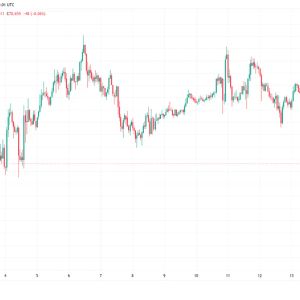
Bitcoin experienced a significant dip, falling below the US$80,000 mark as Friday's Wall Street open saw a broad sell-off in risk assets. This downturn was largely attributed to a sharp increase in long-dated US Treasury yields, making traditional, less volatile investments more attractive to institutional players. The cryptocurrency posted an approximate 3% decline over the day, reflecting a shift in investor sentiment amidst macro-economic pressures.
This market movement unfolded against a backdrop of interesting institutional manoeuvring. Former US President Donald Trump's trust, for instance, reportedly diversified its portfolio by investing in several crypto-related stocks. While the exact value and specific holdings were not detailed in the reports, this signals a growing, albeit perhaps indirect, engagement from high-profile entities with the digital asset space. Such moves can sometimes inject a degree of confidence or curiosity into the market, despite short-term price fluctuations.
Simultaneously, Abu Dhabi's sovereign wealth fund, Mubadala, made headlines by substantially increasing its stake in BlackRock's spot Bitcoin exchange-traded fund (ETF), IBIT. The fund added a significant US$566 million to its holdings. This substantial investment from a major global sovereign wealth fund underscores a growing institutional appetite for direct exposure to Bitcoin, viewing it as a legitimate asset class for long-term portfolio diversification. Such large-scale purchases indicate conviction from sophisticated investors in Bitcoin's future potential.
The confluence of these events — a short-term price correction driven by macro factors and significant, yet contrasting, institutional investment activities — painted a complex picture for the crypto market. While the immediate price action demonstrated vulnerability to traditional economic indicators, the longer-term trend of institutional adoption appears to be firming. This dichotomy presents both challenges and opportunities for investors navigating the volatile digital asset landscape.
Why it matters for Australian investors
The global triggers affecting Bitcoin's price, such as rising US Treasury yields and institutional investment shifts, have direct implications for Australian investors. The Australian dollar (AUD) market is not insulated from these international forces. When major risk assets decline globally, it often leads to a 'flight to safety' among investors, which can indirectly affect the value of the AUD and, by extension, the AUD-denominated price of Bitcoin and other cryptocurrencies on local exchanges like CoinSpot, Independent Reserve, Swyftx, and BTC Markets.
The investment decisions of entities like the Trump trust and Mubadala serve as key indicators of broader institutional sentiment. For Australian investors considering their own allocations, observing these large players can offer insights into how traditional finance is integrating digital assets. While not a direct signal to buy or sell, it highlights the increasing mainstream acceptance and potential long-term value proposition that these assets are perceived to hold.
Furthermore, developments in the US spot Bitcoin ETF market, exemplified by Mubadala's IBIT stake, are closely watched by Australian regulators and market participants. While Australia has its own spot Bitcoin ETFs, the performance and institutional adoption of US counterparts often influence local market dynamics and investor confidence. This global interconnectedness means that policy shifts or major investment trends overseas can ripple through to the Australian crypto ecosystem, affecting everything from trading volumes to potential regulatory advancements by ASIC or AUSTRAC.
Australian investors also need to remember the tax implications of their crypto holdings, as outlined by the ATO. Price fluctuations, whether up or down, can trigger capital gains or losses. The recent downturn, while potentially concerning for some, could also present opportunities for tax-loss harvesting, a strategy often considered by savvy investors. Understanding these market movements within the local regulatory and tax framework is paramount for making informed investment decisions.
Impact on the AUD market
The dip in Bitcoin's value, driven by external macro-economic factors, invariably affects the AUD-denominated price of the cryptocurrency on Australian exchanges. When Bitcoin's US dollar price falls, its equivalent value in AUD will also decrease, assuming the AUD/USD exchange rate remains relatively stable or does not appreciate significantly against the USD. This has an immediate impact on the portfolio valuations of Australian investors holding Bitcoin.
For Australian traders, volatility creates both risks and opportunities. A downward trend can prompt selling, potentially increasing liquidity on local platforms like Swyftx and Independent Reserve. Conversely, some investors might view dips as buying opportunities, using AUD to accumulate more Bitcoin at a perceived discount. The actions of these participants collectively influence the depth and breadth of the AUD crypto market.
Moreover, the performance of major assets like Bitcoin can indirectly influence broader investor sentiment within the Australian financial landscape. A significant downturn in crypto markets might lead some mainstream investors to view higher-risk assets with greater caution, potentially impacting flows into other growth-oriented investments in Australia. Conversely, a rebound often sees renewed interest across the board.
Regulators such as ASIC and AUSTRAC continuously monitor the market for stability and compliance. Sharp price movements can attract their attention, particularly concerning market manipulation or consumer protection. The ongoing evolution of institutional engagement, as seen with sovereign wealth funds, also shapes how Australian regulators approach digital assets, potentially influencing future policy and operational guidelines for local exchanges and service providers.
What to watch next
Going forward, Australian investors should closely monitor several key indicators. The trajectory of US Treasury yields will remain a crucial macro-economic factor. Continued upward pressure on these yields could signal further headwinds for risk assets, including Bitcoin, while a stabilisation or decline might provide a more favourable environment for a rebound.
The actions of major institutional investors will also be telling. Further reports of sovereign wealth funds, pension funds, or large corporate treasuries increasing or decreasing their Bitcoin exposure could significantly influence market sentiment. Specifically, observe any further investments in US spot Bitcoin ETFs, as these directly reflect institutional confidence and appetite.
On the regulatory front, keep an eye on any announcements from central banks or financial watchdogs globally regarding digital assets. While Australia has its own robust regulatory framework through ASIC and AUSTRAC, international regulatory developments often set precedents or inform local approaches. Clarity or new guidelines could impact how digital assets are integrated into traditional financial systems.
Lastly, the overall health of the global economy and geopolitical events will continue to play a role. Bitcoin has increasingly demonstrated sensitivity to global economic shifts, moving more in tandem with traditional markets. Monitoring these broader trends will be essential for understanding potential short and long-term price movements and their implications for your portfolio on Australian exchanges.
Coins covered

Common questions
How does rising US Treasury yields affect my Bitcoin investments in AUD?
When US Treasury yields rise, traditional, less risky investments become more attractive to large institutional investors. This can cause a 'flight to safety' out of risk assets like Bitcoin, leading to a drop in its US dollar price. This price drop then directly translates to a lower AUD-denominated value for your Bitcoin holdings on Australian exchanges, as the AUD price is derived from its USD equivalent.
Are there Australian ETFs that track Bitcoin, similar to BlackRock's IBIT?
Yes, Australia has its own spot Bitcoin ETFs available on local exchanges. These provide Australian investors with a regulated way to gain exposure to Bitcoin's price movements without directly holding the cryptocurrency yourself. Investors should research these products carefully and consider their own financial situation before investing.
What are the ATO tax implications for Australian investors if Bitcoin drops in value?
If your Bitcoin investment drops in value, and you choose to sell it for less than you paid for it (in AUD terms, after accounting for any exchange fees and the AUD/USD exchange rate at the time of purchase and sale), you would realise a capital loss. This capital loss can generally be used to offset other capital gains you might have in the same financial year, potentially reducing your overall tax liability, as per ATO guidelines. Keeping accurate records of all your crypto transactions is crucial.
Bitcoin slides below US$80K amid rising US yields and institutional shifts. CoinPulse AU analyses impact for Australian investors, AUD market, and future outl